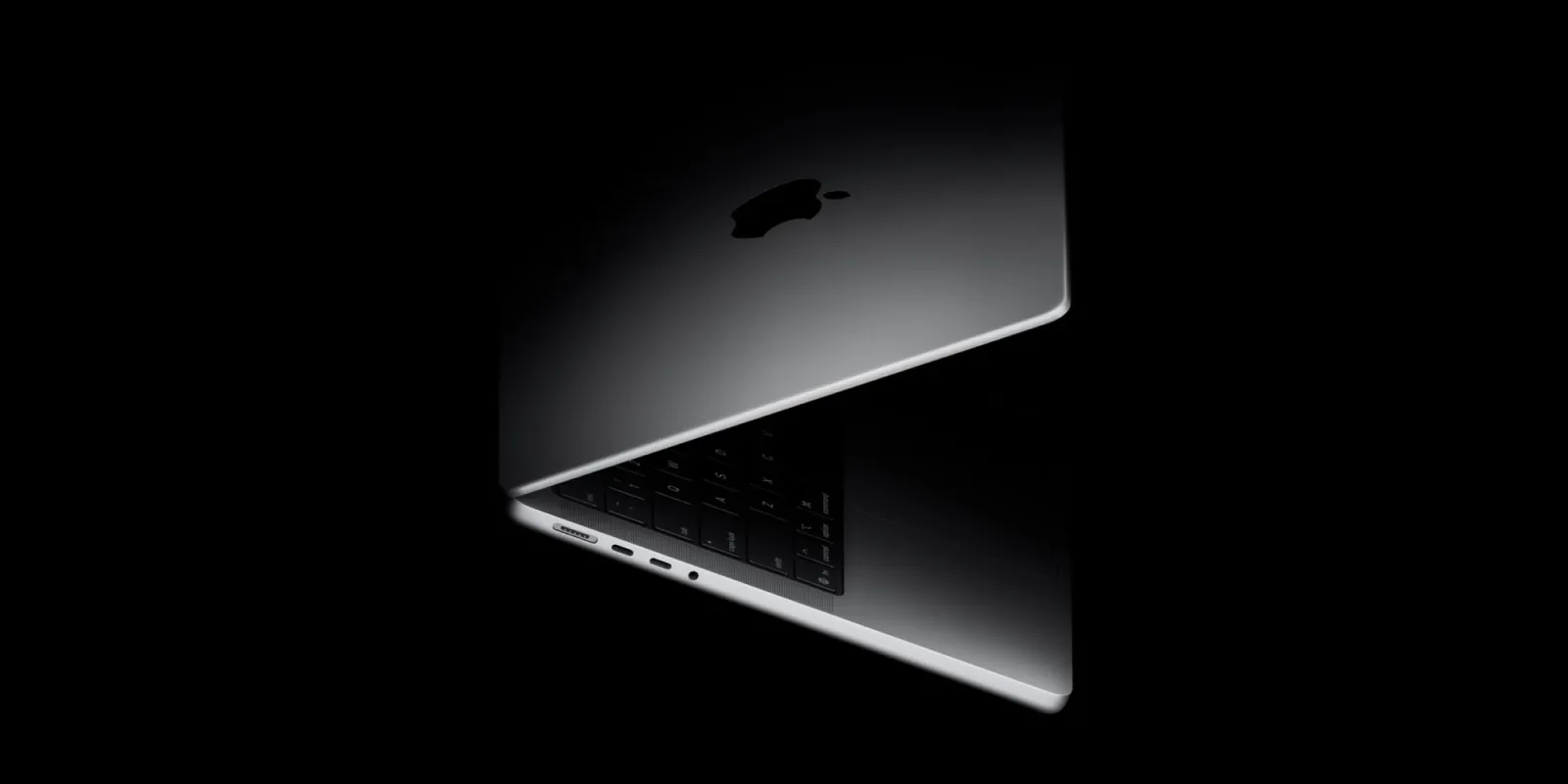

The Apple Revolution Arrives: Inside the MacBook Pro’s Most Radical Redesign in Half a Decade
Is Apple finally ready to bridge the gap between iPad and Mac? That’s the billion-dollar question buzzing through tech circles as leaks intensify around the long-rumored MacBook Pro redesign, poised for launch as early as this October. After roughly five years sporting the current chassis, Apple’s flagship professional laptop is finally due for a transformative overhaul. This isn’t just an incremental update; multiple credible sources suggest a convergence of groundbreaking technologies that challenge Apple’s long-held design philosophies and significantly enhance the MacBook Pro experience. For creative professionals, power users, and everyday enthusiasts alike, this蓝天 anticipated reboot promises to redefine portable computing.
Beyond Butterflies: Navigating the Thinness Tightrope Perhaps the most contentious rumored upgrade is a move towards a thinner Apple laptop design. Memories of the notoriously problematic butterfly keyboard era (2016-2020) still linger, leaving many users wary of further slimming. Critics argue that sacrificing robustness or thermals for aesthetics is a step backwards.
However, perspective is crucial. The current chassis, designed to handle demanding Intel chips and dissipate significant heat, arguably overbuilt for Apple’s incredibly efficient Apple Silicon M-series processors. While high-end configurations like the M4 Max utilize the thermal headroom effectively, the reality is many users opt for the baseline M4 Pro or M4 Pro chips. These chips don’t push thermal limits nearly as hard. Combined with recent innovations in thermal solutions (like advanced vapor chambers and exotic alloys reported by reliable industry analysts), a measured reduction in thickness appears technically feasible without throttling performance.
The key lies in moderation. The MacBook Air already occupies the ultra-portable niche. The primary goal should be reducing the noticeable bulk of the 16-inch model – a common gripe among mobile professionals. Shaving off millimeters could make a substantial difference in real-world portability without compromising the Pro line’s core power identity.
A Display Evolution: Entering the OLED Era While thickness debates simmer, the headlining act of the MacBook Pro redesign is overwhelmingly the switch to OLED display technology, specifically Tandem OLED pioneered on the 2024 iPad Pro.Tandem OLED solves traditional OLED limitations like burn-in and brightness ceilings by essentially stacking two layers of OLED pixels. This translates to stunning visual advantages:
- Pixel-Perfect Blacks: Individual pixels turn off completely, offering infinite contrast ratios far surpassing current miniLED panels used in Pros.
- Brilliant Peak Brightness: Significantly higher peak brightness in HDR content, making highlights pop.
- Rich, Accurate Colors: Wider color gamut coverage delivers more vibrant and lifelike visuals.
- Faster Response Times: Eliminates motion blur common to LCDs.
Recent supply chain reports indicate production for these Tandem OLED panels ramping up in Q2 2024 (DigiTimes), solidifying expectations for a late 2024 launch. This shift represents a major leap forward in visual fidelity for Apple laptop displays.
The Touchscreen Taboo: Is macOS Finally Ready? The potentially most paradigm-shifting rumor involves Apple finally implementing a touchscreen on the MacBook Pro. Since its 2006 debut, the MacBook line has steadfastly avoided direct touch input, leaving macOS as an almost exclusively pointer-driven OS – a stark contrast to the touch-first iPadOS and ubiquitous Windows laptops.
The ill-fated Touch Bar (2016-2022) was a peripheral stab at contextual controls. Yet, whispers from respected sources like [Bloomberg’s Mark Gurman](https://www.bloomberg.com/news/newsletters/2024-01


