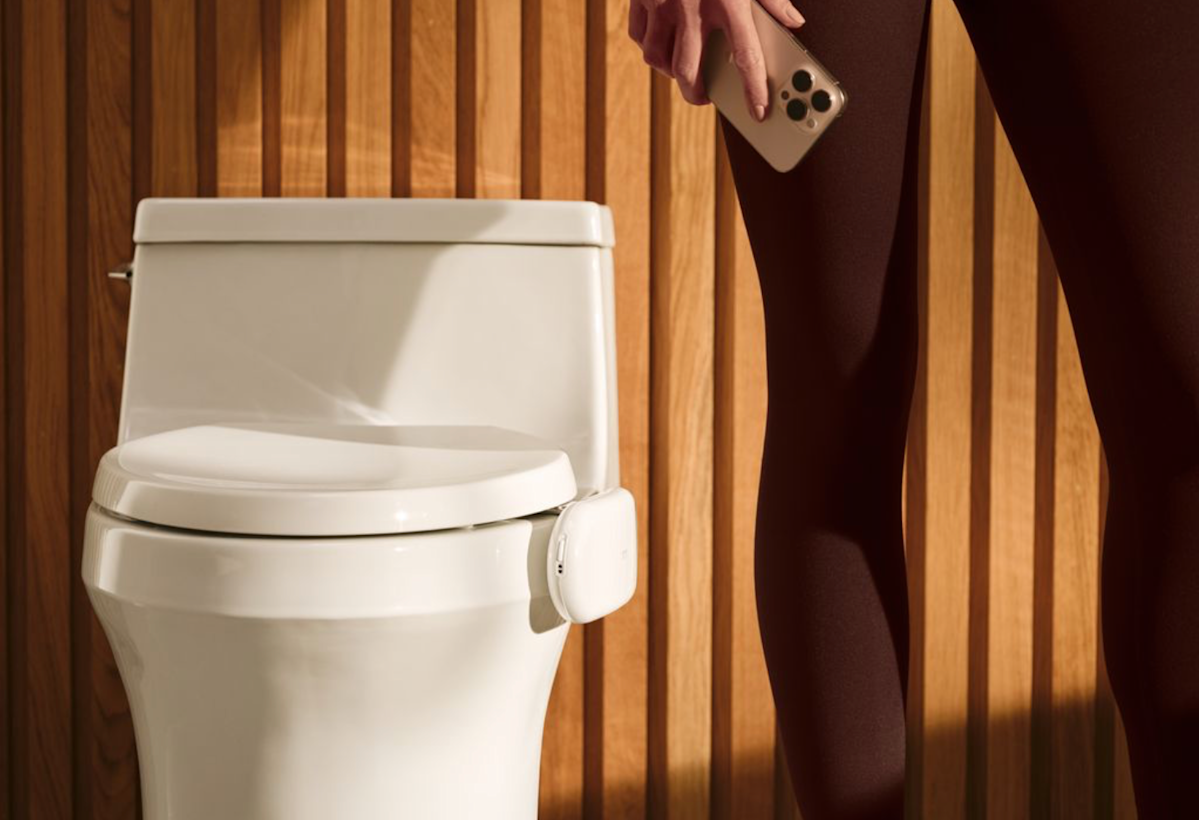

Is Your Toilet the Next Health Hub? Kohler’s New Dekoda Camera Aims to Find Out
Would you let your toilet analyze your waste for insights into your health? It might sound like science fiction, but Kohler, the well-known home products company, is betting that the answer is “yes.” With the launch of their new Kohler Health division and its flagship product, the Dekoda camera, they’re aiming to revolutionize how we monitor our well-being. This $599 toilet bowl-mounted device promises to provide data-driven insights into hydration, gut health, and even detect potential health issues like the presence of blood. But is this innovation a genuinely useful tool, or just another expensive gadget destined to collect dust?
The Rise of Toilet Tech: Kohler Dekoda and the Future of Bathroom Biometrics
Kohler’s Dekoda isn’t the first foray into the world of toilet-based health monitoring. Withings, another company focused on connected health devices, introduced a similar product several years ago, paving the way (albeit a potentially niche one) for this kind of technology. However, Kohler’s Dekoda aims to improve on past efforts with features like:
- Advanced Sensors: The Dekoda is equipped with sensors that analyze liquid and solid waste. These aren’t your average sensors; they’re designed to pick up on subtle biomarkers that can indicate various health conditions.
- Machine Learning Algorithms: Kohler claims that Dekoda uses “validated machine learning algorithms” to process the data collected by the sensors. This suggests that the system is not only collecting data but also actively learning and refining its analysis over time, potentially leading to more accurate and personalized insights.
- Mobile App Integration: The data collected by the Dekoda is transmitted to Kohler Health’s iPhone app (with Android support planned). This allows users to easily track their health data, identify trends, and potentially share the information with their healthcare providers.
- Privacy Features: Recognizing the sensitive nature of the data being collected, the Dekoda comes with features like Bluetooth fingerprint authorization on the wall-mounted remote. This helps prevent unauthorized access and ensures that your guests won’t accidentally stumble upon your personal health data.
The core value proposition of the Dekoda lies in its ability to transform a mundane routine into a source of valuable health data. Kohler hopes to position the bathroom as a “connected, data-informed health and wellness hub,” empowering individuals to be more proactive about their health.
Decoding the Data: What Can a Smart Toilet Really Tell You?
The promise of proactive health management through toilet tech is certainly appealing, but what kind of insights can the Dekoda actually provide? The initial claims focus on:
- Hydration Levels: By analyzing the composition of urine, the Dekoda can estimate your hydration levels and alert you if you’re not drinking enough water.
- Gut Health: The Dekoda can potentially detect indicators of gut health, such as changes in stool consistency or the presence of undigested food. These indicators can be helpful in identifying potential digestive issues.
- Blood Detection: Perhaps the most significant claim is the Dekoda’s ability to detect the presence of blood in waste. This could be a crucial early warning sign for various health conditions, ranging from minor issues like hemorrhoids to more serious problems like colorectal cancer. Reference: Mayo Clinic – Fecal Occult Blood Test
However, it’s important to temper expectations. While the Dekoda may provide valuable insights, it’s not a substitute for regular checkups with a healthcare professional. The data collected by the device should be viewed as supplemental information to help you monitor your health and identify potential issues that warrant further investigation.
Table: Potential Benefits and Limitations of Toilet-Based Health Monitoring
| Benefit | Limitation |
|---|---|
| Early detection of health issues | Potential for false positives and unnecessary anxiety |
| Improved awareness of hydration levels | Reliance on accurate sensor readings and algorithm interpretation |
| Enhanced gut health monitoring | May not be suitable for individuals with certain medical conditions |
| Convenient and non-invasive data collection | Requires a subscription and potentially high initial investment |
The Price of Proactive Health: Cost and Subscription Models
Beyond the initial $599 price tag for the Dekoda camera itself, users will also need to subscribe to a Kohler Health plan to access the data and insights provided by the device. The pricing structure for these subscriptions is not yet fully clear, but Kohler offers both individual and family plan options. This subscription model raises some important questions:
- Value for Money: Is the cost of the Dekoda and the subscription justified by the value of the data and insights it provides? This will likely depend on individual health needs and preferences.
- Data Privacy and Security: How will Kohler protect the sensitive health data collected by the Dekoda? Users will want assurances that their data is stored securely and will not be shared with third parties without their consent. Reference: Health Insurance Portability and Accountability Act (HIPAA)
- Long-Term Costs: Over time, the subscription fees could potentially exceed the initial cost of the device. Users should factor in these long-term costs when deciding whether to invest in the Dekoda.
The subscription model may be a barrier to entry for some consumers. While the convenience of at-home health monitoring is appealing, the ongoing cost could be a deterrent for those who are already struggling to afford healthcare.
The Skeptic’s View: Is This Just Another Gadget?
While Kohler is positioning the Dekoda as a groundbreaking innovation in health technology, some skepticism is warranted. Is this truly a valuable tool for improving health, or is it simply an expensive gadget that caters to the quantified-self movement?
- Accuracy and Reliability: The accuracy and reliability of the Dekoda’s sensors and algorithms are crucial. If the device produces inaccurate or unreliable data, it could lead to false positives, unnecessary anxiety, and even inappropriate medical decisions.
- Actionable Insights: Even if the data is accurate, it’s important to consider whether it provides actionable insights that users can actually use to improve their health. Simply knowing that you’re dehydrated, for example, is not enough; the Dekoda should provide guidance on how to improve your hydration levels.
- Privacy Concerns: As with any connected device that collects personal data, privacy is a major concern. Users need to be confident that their data is protected from unauthorized access and misuse.
Ultimately, the success of the Dekoda will depend on its ability to deliver accurate, reliable, and actionable health insights in a way that is convenient, affordable, and secure.
A New Era of Bathroom Biometrics?
Kohler’s Dekoda camera represents a bold step into the world of bathroom biometrics. While it remains to be seen whether this technology will truly revolutionize health monitoring, it certainly raises some interesting questions about the future of healthcare. Will we eventually see a world where our toilets are our personal health assistants, providing us with continuous feedback on our well-being? Only time will tell. For now, the Dekoda offers a glimpse into a future where technology plays an even more intimate role in our lives.
What do you think? Is the Kohler Dekoda a useful innovation, or an unnecessary expense? Share your thoughts in the comments below!
Sources & Further Reading:
Original article at www.engadget.com


