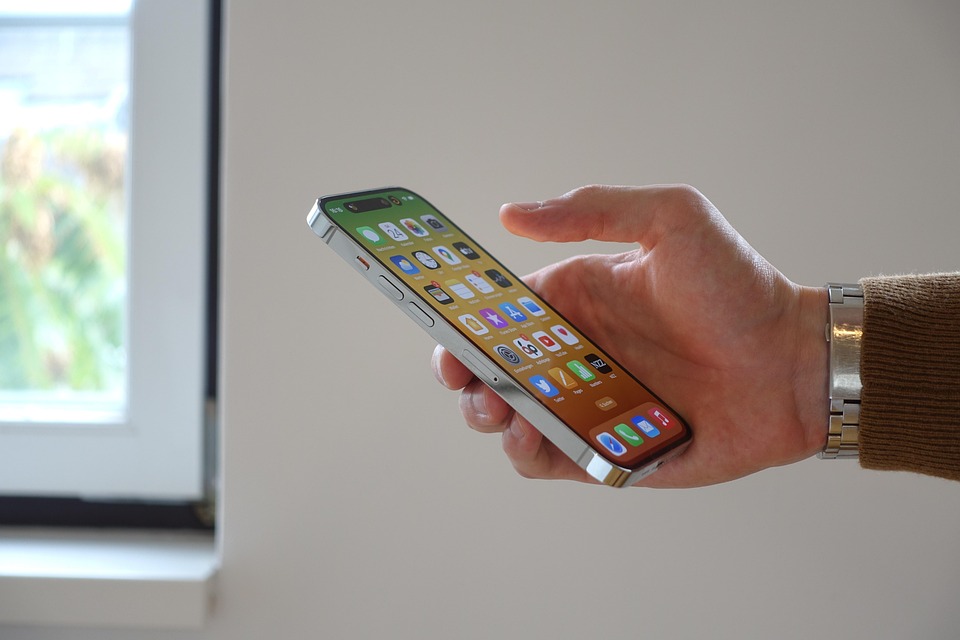

The Smartphone Shake-Up: Is Pixel Playing Catch-Up?
Imagine getting flagship-tier specs at a mid-range price point. That’s precisely what Apple delivered with its iPhone 17, triggering heated debates across tech communities. While the iPhone 17 Pro and Air dominated headlines, it’s the $799 base model iPhone 17 that’s raising existential questions for rivals like Google’s Pixel 10. Sporting a 120Hz display, a powerhouse A19 chip, double the base storage (256GB), and a refined selfie camera, Apple’s aggressive repositioning challenges Google’s value proposition. This isn’t just annual spec-bumping—it’s a strategic strike that forces us to ask: In the iPhone 17 vs. Pixel 10 showdown, does hardware supremacy outweigh ecosystem loyalty?
Breaking Down the iPhone 17’s Game-Changing Upgrades
Apple’s seemingly iterative design masks substantial improvements:
- 120Hz ProMotion Display (Now with LTPO): Gone are the 60Hz limitations of prior base iPhones. The iPhone 17 features a variable refresh rate (1Hz-120Hz), enabling buttery smooth scrolling and power efficiency previously exclusive to Pro models. LTPO (Low-Temperature Polycrystalline Oxide) technology, validated by DisplayMate, reduces battery drain by dynamically adjusting refresh rates—unlike the Pixel 10’s fixed 120Hz panel.
- A19 Chip: Raw Performance Unleashed: Benchmarks suggest Apple’s new silicon outstrips Qualcomm’s Snapdragon 8 Gen 4 in the Pixel 10 by ~20% in multi-core tasks. For power users, this translates to seamless 4K editing and future-proofed AR applications.
- Storage Revolution: Doubling base storage to 256GB without a price hike addresses a universal pain point. Compare this to Pixel 10’s 128GB entry point—forcing a $100 upgrade for comparable space.
Community sentiment on r/GooglePixel echoes astonishment: “Starting at $799 with 256GB? It’s embarrassing how much better value the iPhone offers outside North America,” lamented one user. Another stated simply: “The base iPhone won this battle.”
Pixel 10’s Counterattack: Where Google Still Shines
Despite Apple’s hardware blitz, the Pixel 10 isn’t without advantages. Key differentiators include:
- Camera Versatility: While the iPhone 17 relies on computational photography for zoom, the Pixel 10’s dedicated telephoto lens offers optical 5x zoom—critical for detail preservation. Google’s computational algorithms also yield superior nightography and authentic skin tones.
- AI and Software Innovation: Android 16’s Material 3 Expressive UI allows granular personalization, contrasting iOS 26’s polished but rigid Liquid Glass interface. Gemini, Google’s AI assistant, outpaces Siri in contextual understanding—integrating seamlessly with Gmail, Calendar, and Workspace.
- Exclusive Features: Magic Eraser, Call Screen, and Direct My Call remain Pixel staples. These tools solve real-world problems like spam filtering or removing photo-bombers—functionality iOS can’t replicate natively.
As Android Authority’s Ryan Haines argues, “Pixel’s ecosystem transforms mundane tasks into intuitive experiences—it’s not just hardware, it’s how the machine thinks.”
The Crux of the Conflict: Value Beyond Spec Sheets
Objectively comparing the phones reveals a philosophical split:
| Criteria | iPhone 17 | Pixel 10 |
|---|---|---|
| Display | 120Hz LTPO (1-120Hz adaptive) | 120Hz AMOLED (fixed) |
| Chip Performance | A19 (Leading benchmarks) | Snapdragon 8 Gen 4 (Top-tier Android) |
| Base Storage | 256GB | 128GB |
| Zoom Capability | Digital (Computational) | Optical 5x telephoto |
| OS Experience | iOS 26 (Streamlined, consistent) | Android 16 (Customizable, AI-driven) |
Yet numbers only reveal half the story. Apple’s move pressures Google to address hardware compromises—especially globally. As noted on Reddit, import taxes make Pixel pricier in markets like India or Brazil, amplifying iPhone 17’s value. Conversely, Pixel’s open ecosystem and niche features foster fierce loyalty. A poll from the source reflects this divide: Pixel 10 led with 67% of votes despite the iPhone’s paper superiority.
The Silent Factor: Long-Term Viability
Apple’s 6+ years of iOS updates dwarf Google’s 3-commitment—a critical consideration for sustainability. The A19’s efficiency cores also suggest better battery longevity. However, Pixel’s fast charging (30W vs. iPhone’s 20W) and repairability scores per iFixit offer practical daily perks.
Analysts note Apple’s storage strategy could reshape industry norms. Doubling capacity without inflating costs sets a precedent rivals must follow—or risk appearing tone-deaf.
Where Do We Go From Here?
The iPhone 17’s spec leap redefines “base model” expectations, pressuring Google to either slash Pixel pricing or amplify innovations in the Pixel 11. Yet declaring the Pixel 10 “obsolete” ignores its experiential strengths—AI integration, camera creativity, and Android purism. As one Redditor admitted: “Google is lucky I find iOS infuriating.” Ultimately, this clash benefits consumers, forcing both giants to compete on substance over hype. Will Pixel respond with radical hardware upgrades, or double down on software? One thing’s clear: at $799, “good enough” no longer cuts it.
Which side resonates? Cast your vote below—we’re debating this daily!


