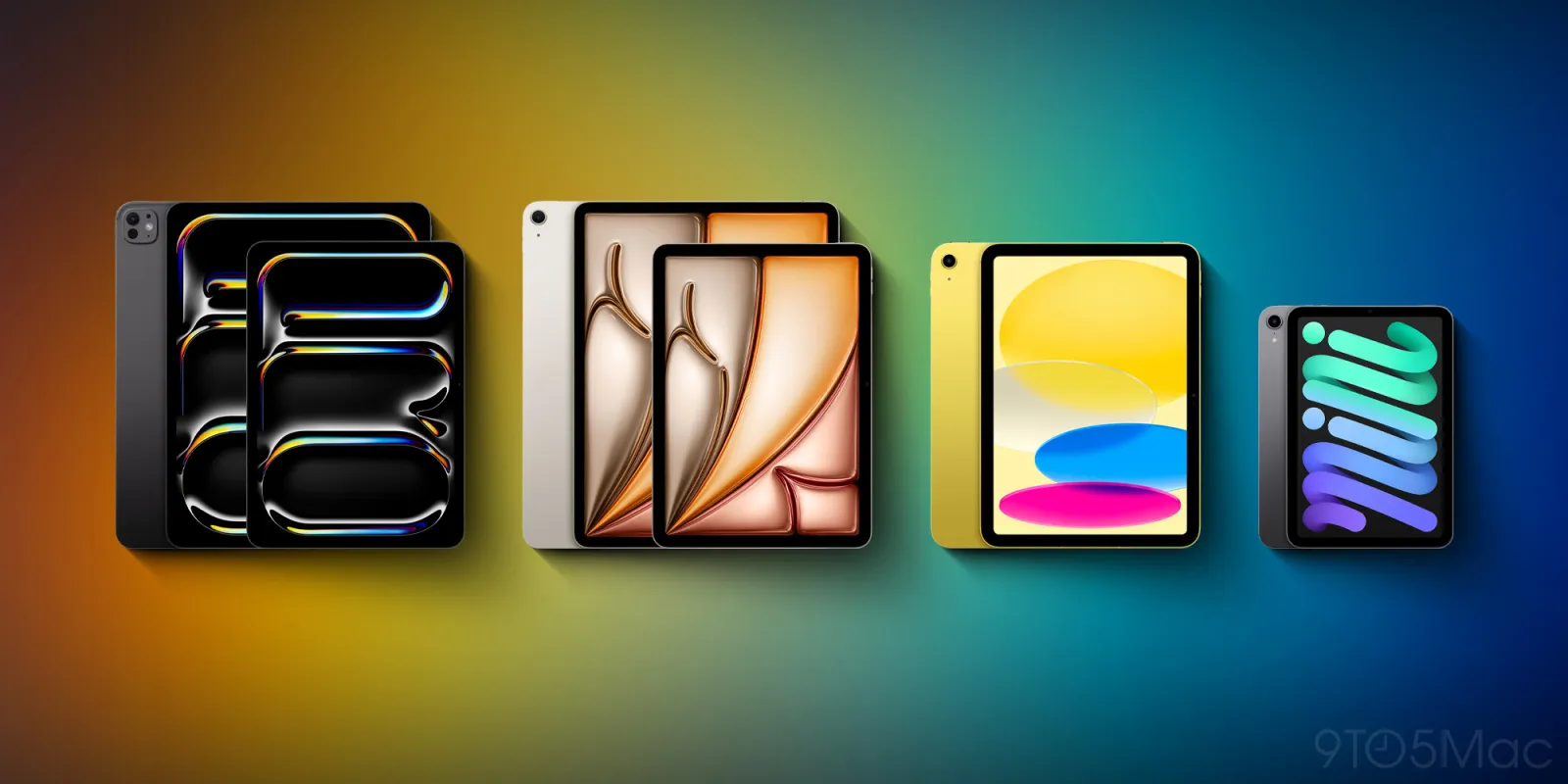

The Great iPad Reshuffle: Incremental Steps Before Giant Leaps
Imagine this: you’re holding a three-year-old tablet, pondering whether 2026 is finally the year to upgrade. Apple practically unveiled an entirely new iPad Pro generation late last year with the groundbreaking M5 chip and blistering performance. Now, whispers indicate every other iPad model – Air, Mini, and the budget-friendly 10.9-inch base model – are slated for updates throughout this year. Yet, analysts describe this cycle as largely “tame,” barring one major exception poised to redefine a beloved form factor.
Apple’s approach isn’t merely iterative chip updates. It signifies a deep push toward unifying technology. Proprietary Apple silicon now governs everything from raw computing prowess (M-series) and graphics performance to wireless connectivity via the emerging N1 chip and C1X modem. This integrated strategy enhances performance, efficiency, and potentially paves the way for tighter ecosystem synergies – hinting at transformative features leveraging Apple Intelligence. While major leaps like universal OLED displays or radical redesigns seem deferred, these updates subtly yet significantly shape the user experience across every iPad tier.
M4 iPad Air: Silently Powering Up
March looms as the likely launch window for the iPad Air’s next evolution. Its headline act is transitioning from the capable M2 chip to the M4 processor, marking a similar performance jump seen in the previous Pro generation. Industry projections based on historical precedents suggest users can anticipate another significant CPU and GPU boost – roughly 10-20% faster than the outgoing M3 models, further widening the gap between iPadOS and competing tablet operating systems.
Beyond sheer speed, the M4 Air signals deeper Apple silicon integration:
- In-House Connectivity: Following the M5 iPad Pro, replacing Qualcomm modems, the Air is expected to adopt Apple’s own N1 chip and C1X modem. This not only affirms Apple’s vertical integration ambitions (see Apple Silicon Evolution on Wikipedia) but unlocks concrete benefits: potentially blazing-fast Wi-Fi 7 support (significantly higher speeds, lower latency vs. Wi-Fi 6E) and optimized cellular connectivity efficiencies.
- Modest Visual Hopes: The exterior likely remains familiar. Rumored possibilities include extending the brighter 600-nit display (currently exclusive to the 13-inch Pro) to smaller Air variants for better outdoor visibility. Fresh color options are also plausible. However, long-desired ProMotion (120Hz refresh rate) remains improbable here to maintain tier differentiation. Similarly, the industry-shifting OLED display technology, while actively developed for Air models, appears firmly slated for a 2027+ debut.
This update positions the Air as an efficient workstation for students and professionals needing desktop-class power without the Pro’s premium price tag, leveraging Apple Intelligence but holding visual fireworks for later.
The Budget iPad Gets Clever: Hello A19
Apple’s strategy hinges on accessibility. The entry-level iPad (often found for below its $349 MSRP) is reportedly jumping from A-series chips directly to the A19 silicon. Why is this revolutionary? Past budget iPads felt discounted internally. The A19 transition enables Apple Intelligence directly on the budget tier.
Let’s unpack why the A19 chipset matters here:
| Feature | Budget iPad Impact |
|---|---|
| Apple Intelligence Access | Powerful generative AI, image tools & contextual Siri directly integrated |
| Performance Leap | Vastly superior AI/NPU & CPU power vs. A13/A14 predecessors |
| Connectivity Upgrade | Likely N1/C1X modems – Improved Wi-Fi/cellular speed/efficiency |
| Price Retention | Maintaining aggressive $299-$349 entry point despite significant internal upgrades |
Criticism often revolves around keyboard limitations:
- The Magic Keyboard Folio, while functional, restricts users to stable surfaces via its kickstand mechanism. It lacks the versatility of the Pro/Air Magic Keyboard allowing comfortable lap/couch use.
- A potential upgrade here remains purely speculative, but a significant usability win if Apple ever addresses it.
Scheduled for the first half of 2026, this update democratizes sophisticated AI features essential for Apple’s ecosystem, potentially making it the most compelling iPad for education and casual users this year.
iPad mini: The Year’s Dark Horse Star
After essentially skipping a generation since its 2021 redesign, the iPad mini is primed for its most significant upgrade cycle since launch. Forget mere chip bumps – rumors, notably fueled by Bloomberg’s authoritative reporter Mark Gurman, paint a transformative picture:
- OLED Revolution: This is the crown jewel. Moving from LCD/LED to OLED technology means unparalleled contrast ratios, truer blacks, potentially higher peak brightness, and significantly improved viewing angles. Apple’s incremental OLED rollout (iPhone starting 2017 → iPad Pro in early 2024 → potentially mini in late 2026) makes the compact powerhouse next in line.
- Pro-Grade Chip: Early reporting suggests pairing OLED with the A19 Pro chip, aligning the mini much closer to iPhone Pro models. This ensures not just smooth UI interactions but ample power for demanding apps and the latest Apple Intelligence features within its compact frame.
- Enhanced Durability: Gurman also indicates a more water resistant design, enhancing practicality for users who carry the mini everywhere – kitchens, backyards, or while commuting. This addresses a key user pain point.
- Market Timing: Launching around 5 years post-last major redesign signals Apple’s commitment to this unique product category. The mini fills critical niches – portable media consumption, gaming cockpit, pocket-sized notebook – that larger tablets simply cannot.
Bringing flagship-tier display technology to Apple’s smallest tablet significantly elevates its position within the lineup, likely justifying a premium over its predecessor for enthusiasts.
The Incremental Bridge Towards Major Innovation
Barring the mini’s metamorphosis, 2026 feels transitional. Rumored features focus intently on chipset unification and connectivity optimization, streamlining Apple’s internal architecture while boosting efficiency and AI capability across tiers. Major structural shifts (like OLED displays or radical redesigns) await future cycles.
Glimpsing further ahead highlights Apple’s ambition:
- The M6 iPad Pro anticipated in 2027 is rumored to incorporate a vapor chamber cooling system. This enables dramatically sustained peak performance (especially crucial GPU-intensive tasks like ProRes encoding or AAA gaming) without thermal throttling – essential for demanding artists and filmmakers utilising iPad Pro workflow benefits.
- OLED preparation paves the way for eventual Air and iPad rollouts, creating visual parity.
For consumers, this “tame” year presents opportunities: if your current iPad meets your needs (iPad Air M1/M2, iPad mini 6, or even recent base iPad models), substantial discounts ($50-$100 off) make grabbing current-gen hardware appealing. Yet, for iPad mini enthusiasts, creatives needing max power efficiency on Air, or budget-conscious users craving AI features, the imminent updates offer compelling reasons to wait.
Final Thoughts: Evolution Before Revolution
Apple’s 2026 iPad roadmap prioritizes harmonious ecosystem growth. Integrating proprietary chipsets boosts performance uniformly, establishes crucial links within Apple Intelligence features, and future-proofs connectivity. While OLED visually crowns the mini’s resurgence, the underlying silicon strategy subtly reshapes the entire lineup’s potential. It highlights how incremental advances lay groundwork for disruptive leaps – perhaps waiting just beyond this cycle. Balancing patience against present value? That’s the tableting tightrope act. Where does your current setup land, and will the rumored upgrades shift your stance? The comment section awaits your personal upgrade calculus!


