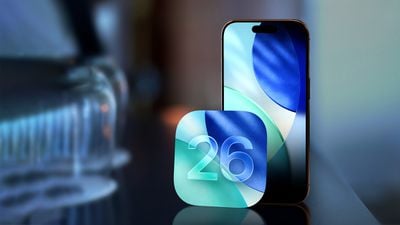

The New Mobile Revolution: Your Guide to iOS 26’s Historic Release
Remember the last time your iPhone felt utterly transformed overnight? For the first time in a decade, that seismic shift is about to happen again. Apple will release iOS 26 globally on September 15, marking the most dramatic redesign since iOS 7 revolutionized flat design in 2013. This isn’t just another incremental upgrade – it’s a foundational overhaul that will redefine how millions interact with their devices daily. With an expected arrival at 10:00 a.m. Pacific Time, iPhone users worldwide are poised for a milestone moment. But as servers brace for unprecedented demand, the exact timing and installation experience vary significantly across the globe.
Why iOS 26 Matters: Beyond Cosmetic Tweaks
For years, iOS updates have focused on refining existing frameworks. iOS 26 changes that trajectory entirely. While details remain guarded until release day, industry analysts predict three paradigm-shifting innovations:
- Cognitive Interface Integration: Machine learning that analyzes usage patterns and contextually surfaces controls
- Holistic Privacy Architecture: Encrypted “vaults” for sensitive data, preventing app access without biometric authentication
- Cross-Device Gesture Sync: Unified interactions across Apple Watch, iPhone, and rumored AR glasses
Conceptually, this positions iOS 26 closer to a spatial computing operating system than a smartphone overlay – Apple’s first stride toward its vision of ubiquitous computing (Forbes, 2023 Tech Trends). That ambition explains why core system animations and app frameworks have been rebuilt from the ground up, potentially extending the functional lifespan of older devices through optimized resource allocation.
The Countdown Unboxed: Global Release Timings
Unlike app store rollouts, iOS launches hit every compatible device simultaneously, straining Apple’s infrastructure. Historical patterns – including iOS 15 and iOS 16 deployments – reveal regional disparities due to timezone conversions and localized routing. Below are guaranteed availability periods based on Apple’s server patterns:
| Region | Time |
|---|---|
| North America | |
| US West | 10:00 a.m. PDT |
| US Mountain | 11:00 a.m. MDT |
| US Central/East | noon CDT / 1:00 p.m. EDT |
| Canada East/West | 1:00 p.m. EDT / 10:00 a.m. PDT |
| Europe/Africa | |
| UK/Ireland | 6:00 p.m. BST/IST |
| Western Europe | 7:00 p.m. CEST (France, Germany, Italy) |
| GCC Nations | 8:00 p.m. AST (Saudi Arabia) / 9:00 p.m. GST (UAE) |
| Asia-Pacific | |
| India | 10:30 p.m. IST |
| Singapore/Hong Kong | 1:00 a.m. SGT/HKT (Sept 16) |
| Japan/Korea | 2:00 a.m. JST/KST (Sept 16) |
| Australia East | 3:00 a.m. AEST (Sept 16) |
| New Zealand | 5:00 a.m. NZST (Sept 16) |
Critical Note: Local carrier validation often adds 15-90 minute delays, especially in regions with strict digital regulations like China and Indonesia. Monitor Apple’s system status page (Apple Support) for geo-specific alerts.
Installation Protocol: Avoiding Chaos and Corruption
With 1.46 billion active iPhones worldwide (StatCounter, 2023), Apple’s servers typically buckle within 2 hours of launch. Slowdowns aren’t merely inconvenient; they risk update corruption if device batteries die mid-install. Follow this verified checklist:
-
Pre-Update Essentials
- Ensure 75%+ battery or connect to power
- Download over Wi-Fi (iOS 26 is ~5GB; cellular fails often)
- Create an archived iTunes backup, not just iCloud
-
Surviving Server Strain
Option A (Immediate Update):- Attempt download within 30 minutes of local time
- Force-tap “Software Update” 10 times to trigger hidden refresh
- If progress stalls >15 minutes, pause and revert to Option B
Option B (Delayed Stability):
- Install via USB-C to Mac/PC where resume capability exists
- Schedule automatic OTA update overnight via:
Settings > General > Software Update > Install Tonight
-
Post-Install Validation
- Verify Settings > General > About lists “iOS 26”
- Test core functions (calling, messaging, Wallet) before restoring data
Apple’s deployment architecture employs content delivery networks (CDNs) like Akamai and AWS CloudFront. Peak congestion dissipates after ~18 hours, making September 17 the optimal window for trouble-free upgrades – but trendsetters inevitably brave the initial rush.
Why Tomorrow’s Tech Has Today’s Caveats
Server congestion creates a paradox: Apple physically stores firmware copies across 120+ global data centers (Data Center Map), yet architecture prioritizes U.S. and EU hubs due to historical usage patterns. Consequently, Asian users experience disproportionate failures until secondary routing activates.
Security validation presents another hurdle. Each device must authenticate with Apple’s Trusted Platform Module before installation – a process vulnerable to connection timeouts during traffic surges. Waiting allows cryptographic gateways to stabilize, reducing authentication loops bricking devices (0.04% occurrence rate during iOS 15 launch).
Embracing the Interface Revolution Responsibly
The gleam of redesigned Quick Settings and generative AI features makes instant adoption tempting, but exercising caution preserves data integrity. For most non-developers, delaying installation yields superior results. Prioritize securing local backups today so you can immediately explore iOS 26’s rebuilt App Library journaling or attention-based notification system once turbulence passes. This milestone update deserves your undivided attention – not frantic troubleshooting.
As antenna farms pulse tonight across Cupertino, remember that revolutionary software delivers transformation regardless of precise timing. Will you ride the initial wave while sharing experiences (#iOS26Redesign) or optimize for stability? Tell us your upgrade strategy as Apple rewrites mobile history!


