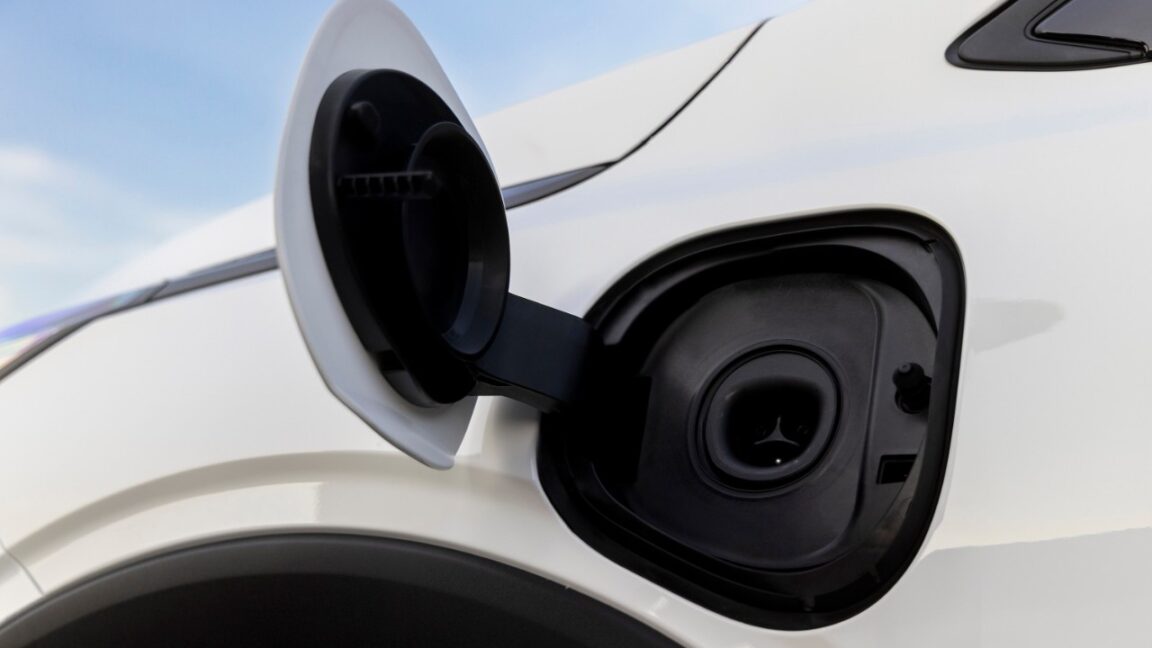

Are You Ready for the Great EV Charging Adapter Revolution? GM’s New Strategy Explained
Are you an electric vehicle (EV) owner worried about charging compatibility? With the evolving landscape of EV charging standards, it’s a valid concern. General Motors (GM) is taking a proactive approach to alleviate these anxieties with a comprehensive suite of charging adapters. This move is designed to ensure that GM EV owners, both present and future, can access a wide range of charging options, regardless of the port type. This article delves into GM’s adapter strategy, breaking down the different adapters, their functionality, and the broader implications for the EV market.
Decoding GM’s EV Adapter Strategy: A Comprehensive Guide
GM’s new strategy revolves around bridging the gap between the Combined Charging System (CCS1) and the North American Charging Standard (NACS), formerly known as the Tesla charging connector. This initiative acknowledges the industry’s shift toward NACS while supporting existing CCS1 infrastructure. Let’s break down the various adapters GM will offer.
Adapters for Existing CCS1-Equipped GM EVs
For current GM EV owners utilizing the CCS1 charging standard, GM will provide adapters allowing them to access the growing network of NACS chargers. This is crucial as Tesla’s Supercharger network boasts significantly more locations than other fast-charging networks in many areas. This expanded access directly addresses a major pain point for many EV drivers: range anxiety and limited charging options.
- GM NACS DC Adapter: This adapter will facilitate fast charging at NACS-equipped stations. It allows vehicles with a CCS1 port to connect and utilize DC fast charging at Tesla Superchargers and other NACS-equipped charging stations. This will significantly expand the fast charging options available to current GM EV owners.
- GM NACS Level 2 Adapter: This adapter will enable existing CCS1-equipped GM EVs to utilize NACS Level 2 chargers for slower, AC charging. Level 2 charging is commonly found at homes, workplaces, and public charging stations, making this adapter useful for everyday charging needs.
Adapters for Future NACS-Equipped GM EVs
Future GM EVs will incorporate the NACS port. However, GM recognizes the continued importance of CCS1 infrastructure, particularly networks like Electrify America, which offer extensive coverage. Therefore, they will offer adapters to ensure these EVs can utilize existing charging stations.
- GM CCS1 DC Adapter: This adapter allows future GM EVs with NACS ports to utilize existing CCS1 DC fast-charging infrastructure. This is a critical adapter, ensuring compatibility with charging networks beyond Tesla’s Supercharger network. It allows access to high-powered chargers like Electrify America’s 350kW stations, maximizing charging speed where available. This ensures GM’s NACS-equipped EVs won’t be limited to only Tesla chargers, promoting a more diverse and robust charging experience.
- GM J1772 AC Adapter: The J1772 connector is the standard for Level 2 AC charging in North America. This adapter will allow GM’s future NACS-equipped EVs to connect to the ubiquitous J1772 ports found at homes, workplaces, and public charging stations. This adapter ensures compatibility with the vast majority of existing Level 2 charging infrastructure.
- GM Energy Powershift Home Charger Adapters (Pair): This pair of adapters will specifically be compatible with GM’s Energy Powershift home charger. The Energy Powershift allows bidirectional charging, which means the EV battery can be used to power the home (Vehicle-to-Home or V2H). These adapters will facilitate both charging the EV and discharging energy back to the home using the Powershift system, offering potential cost savings and energy independence. This functionality is especially useful during power outages, as the EV battery can act as a backup power source.
The Cost Factor: A Breakdown
While GM hasn’t released the exact prices for each individual adapter, they have indicated that the price range will fall between $67 and $195. This is a competitive price point, considering the value these adapters provide in terms of expanded charging access and flexibility. The initially released CCS1-to-NACS adapter costing $225 underscores the cost reduction efforts GM has undertaken to make these adapters more accessible to its customers.
Why This Matters: The Broader Implications
GM’s adapter strategy has several significant implications for the EV market and consumers:
-
Reduced Range Anxiety: By providing access to a wider range of charging stations, including the extensive Tesla Supercharger network, GM is directly addressing range anxiety – a major barrier to EV adoption.
-
Increased Charging Convenience: With the right adapter, GM EV owners can charge their vehicles at more locations, making EV ownership more convenient and appealing.
-
Support for Charging Infrastructure Transition: The adapter strategy supports the transition to the NACS standard while ensuring that existing CCS1 infrastructure remains relevant. This is crucial for a smooth transition without rendering existing charging stations obsolete.
-
Competitive Advantage for GM: By offering a comprehensive adapter solution, GM positions itself as a forward-thinking automaker committed to providing a seamless EV ownership experience. This could give them a competitive edge in the increasingly crowded EV market.
-
Impact on the Charging Ecosystem: GM’s move could encourage other automakers and charging network operators to adopt similar adapter strategies, further streamlining the EV charging experience.
Understanding the Charging Standards: CCS1 vs. NACS
The transition to NACS is driven by its superior design and widespread adoption by Tesla. Here’s a quick comparison between CCS1 and NACS:
| Feature | CCS1 | NACS (Tesla) |
|---|---|---|
| Connector Size | Larger, bulkier | Smaller, more compact |
| Charging Speed | Up to 350 kW | Up to 250 kW (V3 Superchargers) |
| Reliability | Some reliability issues reported | Generally considered more reliable |
| Market Adoption | Initially widespread outside of Tesla | Rapidly gaining adoption across the industry |
While CCS1 has been the dominant standard for non-Tesla EVs, NACS offers a more streamlined and reliable charging experience. The growing number of automakers adopting NACS suggests that it will become the dominant charging standard in North America.
Addressing “People Also Ask” Questions
-
Will GM provide the adapters for free? While the exact details of the adapter distribution program are still emerging, it’s likely that GM will offer them at a cost, within the estimated $67-$195 range. Some automakers have announced plans to bundle them with new vehicle purchases.
-
When will the adapters be available? GM has not announced a specific release date, but it is expected that they will be available in conjunction with the launch of their NACS-equipped vehicles. Keep an eye on GM’s official announcements for more details.
-
Can I use a Tesla Supercharger with my CCS1 EV now? Not without an adapter. These adapters are essential for bridging the gap between the two charging standards.
Conclusion: A Positive Step Towards EV Charging Harmony
GM’s comprehensive adapter strategy is a significant step towards simplifying the EV charging experience. By providing adapters for both existing and future EVs, GM is ensuring that its customers have access to a wide range of charging options, regardless of the connector type. This move not only reduces range anxiety but also supports the transition to the NACS standard while ensuring that existing CCS1 infrastructure remains relevant. The adapter range is priced between $67 and $195, these adapters represent a worthwhile investment for any GM EV owner looking to maximize their charging flexibility.
What do you think about GM’s adapter strategy? Do you think it will help accelerate EV adoption? Comment below and share your thoughts!
Sources & Further Reading:
Original article at arstechnica.com


