
The Ultimate Guide to Handheld Gaming Consoles in 2025
Are you ready to ditch the couch and embrace gaming freedom? The world of portable gaming has exploded, with countless devices promising to deliver your favorite games on the go. But with new handheld gaming systems emerging constantly, finding the perfect one can feel overwhelming. Whether you’re seeking a high-powered portable PC or a budget-friendly emulator, this guide cuts through the noise to present the best handheld gaming consoles available in 2025, along with expert analysis and recommendations. Let’s dive in!
Top Handheld Gaming Devices of 2025: Our Picks
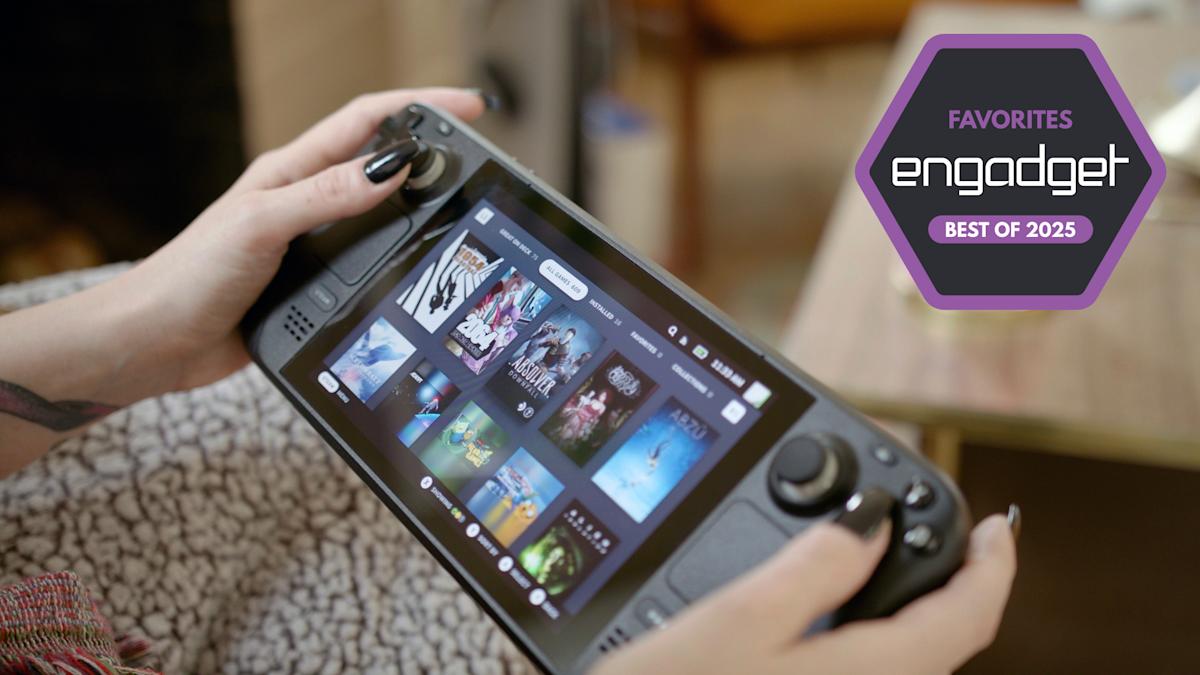
1. Valve Steam Deck OLED & LCD: The King of Price-to-Performance
Three years after its initial release, the Valve Steam Deck continues to dominate the handheld gaming market, offering an unmatched balance of price, performance, and user experience. The Steam Deck OLED, in particular, represents a significant upgrade over the original LCD model.
Key Features and Benefits:
- Stunning Display: The OLED model boasts a 7.4-inch HDR OLED display with 1280×800 resolution, delivering vibrant colors, deep blacks, and exceptional clarity. Its 1,000 nits peak HDR brightness and 90Hz refresh rate elevate the visual experience, making every game look its best. The LCD model has a 7-inch IPS display.
- Impressive Performance: Powered by a custom AMD APU, the Steam Deck handles a wide range of games with ease. While it may struggle with the most demanding AAA titles at maximum settings, it offers a smooth and enjoyable experience for most games, including popular titles like Elden Ring and Final Fantasy VII Rebirth.
- User-Friendly Interface: Valve’s SteamOS has matured into a flexible and intuitive platform. Regular updates have enhanced its functionality, making it easy to navigate and optimize games.
- Emulation Powerhouse: The Steam Deck’s processing power, combined with tools like EmuDeck, makes it an excellent device for emulation. It can handle most retro consoles flawlessly, with some PS3 and original Xbox games also playable.
- Affordable Entry Point: The original Steam Deck LCD model remains a fantastic budget option at $399, offering the same core experience as the OLED model for a significantly lower price.
Drawbacks:
- Size and Bulk: The Steam Deck is undeniably large and heavy, which can make it uncomfortable to hold for extended periods.
- Limited Official Game Support: While the list of verified and playable games is extensive, not every game in the Steam library is officially supported.
- Aging Hardware: Launched in 2022, the Steam Deck’s hardware is beginning to show its age in 2025, struggling with the most graphically demanding new releases.
- Software Compatibility: Issues with Linux and anti-cheat software can prevent some live-service games, like Destiny 2, from running.
Steam Deck OLED vs. LCD: A Quick Comparison
| Feature | Steam Deck OLED | Steam Deck LCD |
|---|---|---|
| Display | 7.4-inch HDR OLED, 90Hz | 7-inch IPS, 60Hz |
| Brightness | 1,000 nits (HDR), 600 nits (SDR) | 400 nits |
| Processor | Custom 6nm AMD APU | Custom 7nm AMD APU |
| RAM | 16GB LPDDR5 6400 MT/s | 16GB LPDDR5 5500 MT/s |
| Storage | 512GB, 1TB SSD | 256GB SSD |
| Battery | 50Whr | 40Whr |
| Wireless | Wi-Fi 6E, Bluetooth 5.3 | Wi-Fi 5, Bluetooth 5.0 |
| Weight | 1.41 pounds | 1.48 pounds |
| Starting Price | $549 | $399 |
2. Lenovo Legion Go S (SteamOS): The Steam Deck Alternative
The Lenovo Legion Go S (SteamOS) emerges as a compelling alternative to the Steam Deck, offering a similar SteamOS experience with enhanced hardware capabilities. This device is essentially the closest thing to a Steam Deck 2 currently available.
Why Choose the Lenovo Legion Go S (SteamOS)?
- More Powerful Hardware: Equipped with an AMD Ryzen Z1 Extreme processor and 32GB of RAM, the Legion Go S delivers significantly better performance than the Steam Deck, particularly in demanding AAA games.
- Larger, Sharper Display: Its 8-inch display with a 1920×1200 resolution and 120Hz refresh rate provides a more immersive and visually appealing gaming experience. Variable Refresh Rate (VRR) minimizes screen tearing for smoother gameplay.
- SteamOS Integration: Running natively on SteamOS, the Legion Go S offers the same convenience and software features as the Steam Deck.
- Ergonomic Design: The rounded edges and textured grips provide a comfortable and secure hold. The offset joysticks and d-pad will appeal to console gamers.
Considerations:
- Price: The Z1 Extreme version comes at a premium price of $830, making it a significant investment.
- Size and Weight: The Legion Go S is chunkier and heavier than the Steam Deck, which may cause fatigue during long gaming sessions.
- Battery Life: While it has a larger battery, its power consumption means it often lasts for less time than the Steam Deck, especially with graphically intensive games.
3. ASUS ROG Ally X: The Windows Powerhouse
For gamers seeking the ultimate in software flexibility and performance, the ASUS ROG Ally X stands out as a top choice among Windows-based handhelds. It serves as a portable gaming laptop, allowing you to play games from any PC client, including Steam, Epic, GOG, and the Xbox app.
Advantages of the ROG Ally X:
- Unmatched Compatibility: Windows allows access to games from virtually any PC platform, including Xbox Game Pass titles and Epic Games Store exclusives.
- High-Performance Hardware: Featuring the same Ryzen Z1 Extreme chip as the Legion Go S, the Ally X delivers impressive gaming performance.
- VRR Display: The 7-inch 1080p display with a 120Hz refresh rate and VRR support ensures smooth and responsive gameplay.
- Enhanced Ergonomics: Improved grips, tighter joysticks, and meatier triggers make the Ally X more comfortable to hold and play for extended periods.
- Larger Battery: A significant upgrade from the original ROG Ally, the Ally X features an 80Whr battery for longer gaming sessions.
Drawbacks to Keep in Mind:
- Windows OS Issues: Windows 11 is not optimized for handheld use, leading to occasional UI inconsistencies and navigation challenges.
- Price: The ROG Ally X is more expensive than the Steam Deck, requiring a greater financial commitment.
- Software Bloat: Windows comes with unnecessary software that can impact performance.
- Upcoming Windows UI Overhaul: Microsoft’s planned overhauled Windows interface for gaming handhelds built around the Xbox app and Game Bar. If this new UI can truly reduce the performance and usability gap between Windows and SteamOS, it could make SteamOS somewhat redundant.
4. Retroid Pocket 5: The Retro Emulation Champion
If your primary goal is to relive classic gaming experiences through emulation, the Retroid Pocket 5 is the ultimate choice. This Android-based device offers impressive performance for emulating older consoles, all in a compact and affordable package.
Why the Retroid Pocket 5 Excels at Emulation:
- Powerful Snapdragon 865 Chip: This chip provides enough power to emulate most games from the PlayStation 2 and Nintendo GameCube eras, along with flawless performance for older systems.
- Vibrant OLED Display: The 5.5-inch 1080p OLED display enhances the visual experience, making retro games look stunning.
- Sturdy and Portable Design: The Retroid Pocket 5 is well-built and easy to carry around, making it perfect for on-the-go gaming.
- Active Cooling System: A built-in fan helps to keep the device cool during demanding emulation sessions.
Potential Downsides:
- Emulation Setup Required: Getting emulators to work correctly can be a tedious process, requiring tinkering with settings and installing custom drivers.
- Joystick Layout: The placement of the left joystick beneath the d-pad may feel awkward for some players, especially when playing modern games.
5. Retroid Pocket Flip 2: The Clamshell Retro Handheld
The Retroid Pocket Flip 2 is, in essence, a Retroid Pocket 5 with a clamshell design. It provides the same outstanding OLED display, Hall effect joysticks, active cooling system, 5,000mAh battery, and streamlined Android OS and comes down to personal preference.
Pros:
- Sturdy clamshell shape which provides a natural layer of protection for your handheld
- Super emulation and Android gaming performance.
Cons:
- The same amount of tinkering is required to get some emulators working as the Retroid Pocket 5
- Recessed joysticks
6. AYN Odin 2: The High-End Android Emulation Beast
The AYN Odin 2 sits atop the Android emulation handheld throne, offering a premium experience for gamers with a larger budget. Its powerful Snapdragon 8 Gen 2 processor delivers exceptional performance, allowing for smooth emulation of even the most demanding retro consoles.
Key Benefits of the AYN Odin 2:
- Unrivaled Android Performance: The Snapdragon 8 Gen 2 chip makes the Odin 2 the most powerful Android handheld on the market, capable of emulating a wide range of consoles flawlessly.
- Refined Hardware Design: The Odin 2 features a comfortable ergonomic design, with curved grips and high-quality controls.
- Excellent Battery Life: The large 8,000mAh battery provides hours of gaming on a single charge.
Considerations Before Buying:
- Price: The Odin 2 is significantly more expensive than other Android handhelds, making it a premium investment.
- Emulation Setup: Setting up emulators can still be time-consuming, although the Odin 2’s powerful hardware reduces the need for extensive tweaking.
7. Analogue Pocket: The Purist’s Retro Machine
For gamers who value authenticity and near-perfect emulation, the Analogue Pocket is the definitive choice. This premium handheld is designed to play original Game Boy, Game Boy Color, and Game Boy Advance cartridges using FPGA technology.
Why the Analogue Pocket is Unique:
- FPGA Emulation: The Analogue Pocket uses FPGA chips to replicate the hardware of classic consoles, resulting in near-perfect emulation quality.
- Cartridge Compatibility: The device plays original cartridges, providing an authentic retro gaming experience.
- Gorgeous Display: The Analogue Pocket features a sharp and vibrant display that can be set to mimic the look of old Game Boy panels.
Drawbacks to Consider:
- Price: The Analogue Pocket is relatively expensive compared to other emulation options.
- Stock Issues: Availability can be limited due to stock shortages and shipping delays.
Honorable Mentions: Other Gaming Handhelds to Consider
The market for handheld gaming consoles is constantly evolving. Here are a few other devices that deserve your attention:
- Nintendo Switch 2: While primarily a console, the Switch 2’s portability makes it a viable handheld gaming option. It’s an easy-to-use device with excellent performance and a decent library.
- MSI Claw 8 AI+: A powerful Windows handheld with an Intel Core Ultra processor and a bright 120Hz display.
- Lenovo Legion Go: A larger Windows handheld with detachable controllers and a high-resolution display.
- Retroid Pocket Mini: A compact emulation handheld with a 4:3 display, ideal for retro gaming.
What to Know About the Gaming Handheld Market: A Tiered Approach
The handheld gaming market can be broadly categorized into three tiers:
- Portable Gaming PCs: High-performance devices like the Steam Deck and ROG Ally X that run PC games natively.
- Mobile Handhelds: Android or Linux-based devices like the Retroid Pocket and AYN Odin that excel at emulation and cloud streaming.
- Handhelds That Do Their Own Thing: Unique devices like the Nintendo Switch and Playdate that offer distinct gaming experiences.
Conclusion: Choosing the Right Handheld for You
The best handheld gaming console for you depends on your individual needs and preferences. Whether you prioritize power, portability, emulation capabilities, or budget, there’s a device out there to suit your gaming style. In 2025, the market is filled with excellent options, from the versatile Steam Deck to the specialized Retroid Pocket 5 and premium AYN Odin 2. Consider your priorities, weigh the pros and cons of each device, and choose the handheld that will provide you with the most enjoyable gaming experience on the go.
What do you think of this guide? Which handheld gaming console is your favorite, and why? Share your thoughts in the comments below!
Sources & Further Reading:
Original article at www.engadget.com


