
Between Algorithms and Artistry: Gaming’s Crucial Generative AI Divide
Could generative AI fracture the gaming industry beyond repair? In an era celebrated for technological leaps, generative AI presents a seismic dilemma: efficiency versus creative soul. Major studios dive headfirst into tools automating asset creation and design, while a passionate contingent—particularly indie studios and publishers—draws an absolute ethical line. This rapidly growing schism impacts everything from game aesthetics and developer workflows to awards legitimacy and artistic integrity. Understanding the motivations behind generative AI in gaming decisions reveals profound questions about the future of interactive entertainment itself. As giants like EA and Ubisoft lean into the tech’s potential, voices like Larian Studios and Hooded Horse declare: not in our games.
The Corporate Charge: Where Generative AI Finds Footing
Major players see generative AI not as replacement, but acceleration. Companies like Electronic Arts (EA), Ubisoft, and Xbox perceive significant potential:
- Enhanced Workflow Efficiency: Automating repetitive tasks (texturing, simple environment variations) frees human talent.
- Prototyping Velocity: Rapidly generating placeholder assets or narrative variations accelerates early design iteration. As Sven Vincke, Larian’s CEO hinted, AI can dramatically “improve the speed with which we can try things out.”
- Content Scaling: Potentially creating vast quantities of dynamic content (NPC dialogue, terrain permutations) for sprawling open worlds. (*Wikipedia: Procedural Generation often complements AI here).
- Cost Optimization: Developers hope AI tools mitigate ballooning production costs for AAA titles.
Microsoft’s AI-powered roleplay chatbots or Ubisoft’s generative dialogue systems exemplify exploratory adoption focused behind the scenes.
The Indie Insurgency: Artistry Takes a Stand Against Generative Assets
Indie studios are vociferously rejecting generative AI in core creative processes:
- Prioritizing Original Vision: Larian Studios (Baldur’s Gate 3, upcoming Divinity project) explicitly stated avoiding generative AI for concept art and in-game assets. The studio’s colossal success stems from deeply crafted originality – AI risks diluting this.
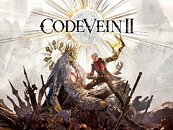
- Artistic Cohesion Supreme: The team behind Bandai Namco’s Code Vein 2 confirmed a generative AI ban, stressing “cohesiveness” and valuing a distinctive “art style” and aesthetic unified by human vision. Producer Keita Iizuka emphasized creating a “very original world,” implicitly contrasting AI outputs potentially derived from existing datasets.
- Publisher Mandates: Hooded Horse (publisher of Manor Lords, Endless Legend 2) implemented one of the industry’s strictest AI bans. CEO Tim Bender declared their policy bluntly: “It is now written into our contracts if we’re publishing the game, ‘no f**king AI assets.'” This contractual shift signifies deep concern over integrity.
Beyond Nuance: Why the Ban Goes Deeper Than Just Tools
The resistance isn’t purely Luddite fear. Deep-seated issues drive the refusal:
- Ethical Minefields: Generative AI tools are often trained on vast datasets scraped without creator consent or compensation. Using them potentially perpetuates art theft plaguing independent artists.
- Homogenization Threat: Over-reliance risks visually generic worlds lacking unique character – anathema to studios building distinct identities.
- Technical & Quality Pitfalls: Uncanny artifacts, inconsistency between AI-generated assets, and insufficient fine-grained control remain significant hurdles. Integrating AI seamlessly into complex pipelines isn’t trivial.
- Keeping Soul in Craft: Studios grounded in meticulous art direction see AI generation as antithetical to the intentional, handcrafted detail that defines beloved gaming experiences.
The Clair Obscur Cautionary Tale: Hooded Horse’s Bender directly cited Sandbox Interactive’s Clair Obscur: Expedition 33 as a high-profile disaster demonstrating why bans matter (*Kotaku reporting). The game’s Indie Game Awards “Game of the Year” title was revoked after discovery of undisclosed generative AI art replacing original developer assets. This scandal highlights the reputational damage, consumer distrust, and ethical breaches that arise when AI use lacks transparency or displaces genuine artistry.
Untangling Utility: Where Can AI Fit Without Compromise?
The stance isn’t universally anti-automation. Nuanced positions suggest potential ancillary roles, distinct from core asset creation:
| Potentially Acceptable Use | Unacceptable Use | Core Concern Addressed |
|——————————|————————|—————————-|
| Internal workflow acceleration | Final concept art | Protecting Artistic Integrity |
| Rapid prototyping tools | Unique character/environment assets | Avoiding Derivative Output |
| Code debugging/optimization | Narrative dialogue generation | Preserving Original Voice |
| Automated testing pipelines | Unique texture/music creation | Ensuring Cohesion & Quality |
| Backend server management | Replacing unique visual design | Maintaining Human Agency |
Sven Vincke’s distinction is key: AI aiding internal speed (“improve speed with which we


