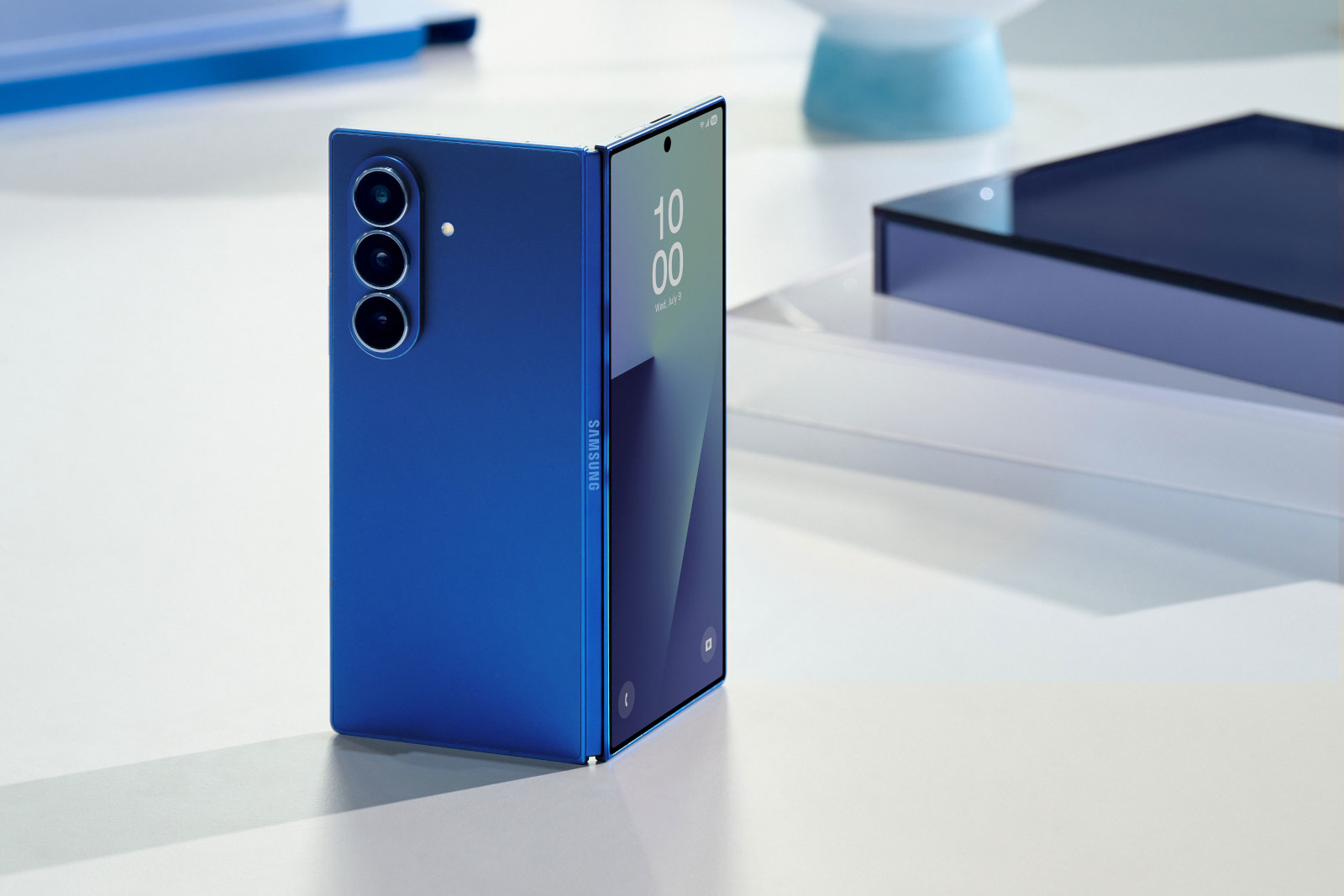

Is the Samsung Galaxy Z Fold 7’s Durability Overhyped? Real-World Folding Test Raises Concerns
Do foldable phones truly stand the test of time, or are they destined for an early retirement? The Samsung Galaxy Z Fold series represents a significant leap in smartphone innovation, offering a tablet-sized screen in a pocketable form factor. However, the hinge, the very heart of this design, is a critical point of potential failure. Recent independent testing on the upcoming Samsung Galaxy Z Fold 7 has called into question the manufacturer’s durability claims, suggesting that real-world usage may take a heavier toll than Samsung anticipates.
Samsung Galaxy Z Fold 7 Durability Test Exposes Potential Weaknesses
The Samsung Galaxy Z Fold series continues to push the boundaries of smartphone technology with each iteration. However, concerns about the long-term durability of these devices, especially their hinges, persist. A recent test conducted by the Korean YouTube channel Tech-it put the Samsung Galaxy Z Fold 7 through a rigorous folding test, aiming to simulate real-world usage and evaluate its resilience.
The 200,000 Fold Challenge: Manual vs. Machine
The Tech-it channel manually folded and unfolded the Galaxy Z Fold 7 a staggering 200,000 times. This is a critical distinction compared to the automated testing often performed by manufacturers. Automated folding machines, while efficient, apply consistent pressure and force, often in controlled lab environments. Manual folding, on the other hand, incorporates the nuances and variations of human interaction, including slight differences in force, angle, and even the user’s grip.
The YouTuber’s emphasis on manual folding is key. It’s reasonable to argue that a machine can’t truly replicate the varied conditions a phone experiences in a user’s daily life. Think of the times you might open your phone quickly, or close it with a bit more force when you’re in a hurry. These micro-adjustments and inconsistencies are crucial factors in assessing long-term durability.
Unveiling the Cracks: Early Signs of Trouble
Samsung claims the Galaxy Z Fold 7 is designed to withstand 500,000 folds. The Tech-it test revealed potential vulnerabilities that manifest much earlier than this benchmark:
-
Reboots: Between 6,000 and 10,000 folds, the phone began experiencing unexpected reboots. This suggests an issue with the internal components’ resilience to the repeated stress of folding and unfolding, potentially affecting the operating system’s stability.
-
Creaking Sounds: By 46,000 folds, the hinge started to emit creaking sounds. This is a clear indicator of wear and tear on the hinge mechanism, signaling that the internal components are experiencing friction or stress.
-
Black Liquid Leakage: At 75,000 folds, black liquid began to leak from the hinge. This is a significant red flag, suggesting damage to the internal lubricants or seals designed to protect the hinge mechanism. This could lead to further degradation and eventual failure of the hinge.
-
Speaker Failure: By the time the phone reached 175,000 folds, all the speakers had failed. This is likely due to the constant stress and vibrations affecting the delicate speaker components. It points to a potential weakness in the phone’s overall design, where the repeated folding motion impacts even seemingly unrelated functionalities.
These issues raise serious questions about the long-term reliability of the Galaxy Z Fold 7. While the hinge itself remained functional, the degradation of other components significantly impacts the user experience.
Samsung’s Silence: What Does It Mean?
As of this writing, Samsung has not officially responded to the Tech-it channel’s findings. This silence is concerning and leaves potential buyers wondering about the validity of the test results and whether Samsung plans to address these issues. It’s important to note that this is a single test, and more testing from various sources is needed to draw definitive conclusions. However, the issues uncovered by Tech-it warrant further investigation and a response from Samsung.
Real-World Durability vs. Lab Testing: A Critical Distinction
The disparity between Samsung’s claimed 500,000-fold lifespan and the issues encountered in the Tech-it test highlights a fundamental problem: the difference between lab testing and real-world usage. Lab tests are often conducted under ideal conditions with consistent force and controlled environments. Real-world usage, however, is far more variable and unpredictable.
Here’s a table summarizing the key differences:
| Feature | Lab Testing | Real-World Usage |
|---|---|---|
| Force | Consistent and controlled | Variable and inconsistent |
| Environment | Controlled temperature and humidity | Fluctuating temperature and humidity |
| Dust/Debris | Minimal or non-existent | Exposure to dust, debris, and other particles |
| Usage Patterns | Repeated folding and unfolding in one way | Multiple times when open in one position |
| User Factor | Absent | Presence of human error and varying handling styles |
The Tech-it test, by manually folding the device, attempted to bridge this gap and simulate the more variable conditions of real-world use. The results suggest that current testing methodologies may not fully capture the long-term effects of everyday wear and tear on foldable devices.
Could Design Choices be a Factor?
The YouTube channel’s report hinted that the “redesigned hinge and thinner design might not hold up under real-world usage.”
Thinner designs, while aesthetically pleasing, often necessitate compromises in material strength and structural integrity. A thinner hinge, for example, may be more susceptible to bending or breaking under stress. Similarly, the choice of materials used in the hinge and other components can significantly impact their durability. Lighter, more flexible materials may be more prone to wear and tear than heavier, more robust alternatives.
The redesigned hinge mechanism, while potentially offering improvements in folding smoothness or reduced crease visibility, may also introduce new points of failure. Complexity in design often equates to increased vulnerability. Without more information about the specific design changes, it’s difficult to pinpoint the exact cause of the durability issues.
The Future of Foldable Durability: What’s Next?
The Samsung Galaxy Z Fold 7 test highlights the ongoing challenge of ensuring the durability of foldable devices. While these devices offer exciting new possibilities, their long-term reliability remains a significant concern for consumers.
Moving forward, manufacturers need to prioritize:
- More Realistic Testing: Develop testing methodologies that better simulate real-world usage conditions. This includes incorporating variable forces, environmental factors, and human error.
- Improved Hinge Design: Invest in research and development to create more robust and durable hinge mechanisms.
- Material Selection: Choose materials that can withstand the constant stress of folding and unfolding without compromising on weight or aesthetics.
- Transparent Communication: Be transparent with consumers about the limitations of foldable devices and the potential risks of failure.
The future of foldable phones hinges (pun intended) on addressing these concerns and building devices that can truly withstand the test of time.
Conclusion: Rethinking Foldable Phone Expectations
The Samsung Galaxy Z Fold 7’s durability test paints a concerning picture. While the device may boast impressive specifications and innovative features, the potential for early hardware failures raises questions about its long-term value. The key takeaway is the need for more realistic and rigorous testing of foldable devices, bridging the gap between lab conditions and real-world usage. The findings suggest that consumers should temper their expectations and consider the potential risks before investing in a foldable phone.
What do you think about the Z Fold 7 and the state of foldable phone durability? Comment below!
Sources & Further Reading:
Original article at www.techzim.co.zw


