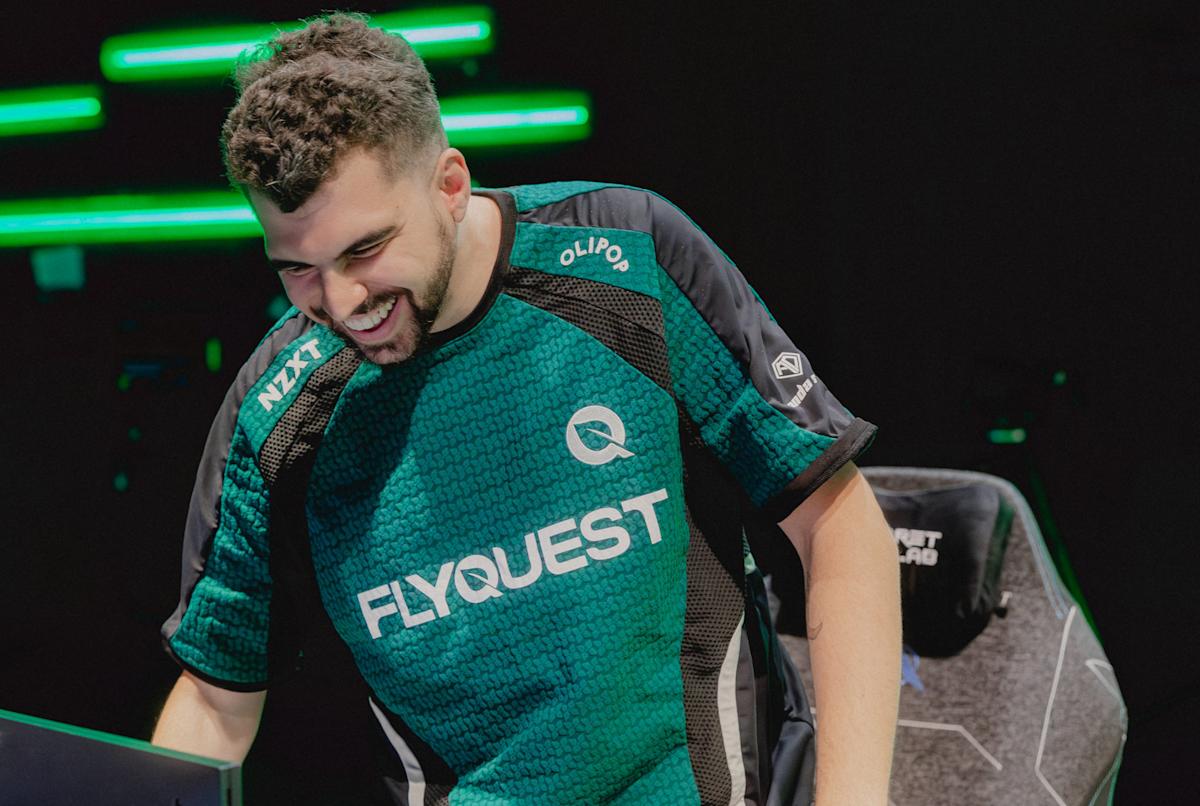

Can Women Compete at the Highest Level? Bwipo’s Suspension Sparks Debate in Esports
Is there a place for outdated stereotypes in modern esports? Gabriël “Bwipo” Rau, a well-known League of Legends esports player, recently found himself at the center of a controversy after making comments suggesting women shouldn’t compete while menstruating. His organization, FlyQuest, swiftly suspended him, igniting a widespread discussion about sexism, equality, and the pressures faced by female gamers in the competitive arena. This incident highlights the ongoing struggle for inclusivity and the urgent need for more robust support systems within the esports industry.
Fallout from Bwipo’s Controversial Remarks
The storm began with a Twitch stream where Bwipo shared his views on women in competitive gaming. His statements, focusing on the perceived impact of menstruation on performance, drew immediate backlash.
The Initial Statement and Its Justification
Bwipo asserted that women’s “anatomy and their monthly cycles are just extremely different from males, and there’s no proper support system for women to go through what they’re going through.” While he initially seemed to suggest a lack of support for female pro players, he quickly pivoted to claim that the hormonal fluctuations associated with menstruation negatively affect performance. He stated that there’s “a time of the month where you should not be f—ing playing competitive games as a woman, in my opinion.”
Bwipo justified his remarks based on his personal experience, claiming that living with a woman who played League of Legends made it “really obvious when she was just getting irritated at every stupid little thing.” He attempted to preempt criticism by adding, “This is not me trying to be sexist or anything.” This attempt at deflection was largely unsuccessful, and the clip quickly went viral.
Sjokz Responds: Challenging Outdated Notions
Eefje “sjokz” Depoorter, a prominent host and co-creator of League Awards, was among the first to publicly challenge Bwipo’s views. In a TikTok video, she expressed disbelief, stating, “I thought we’re past that.” She vehemently opposed the idea that a woman’s period makes it the “wrong” time of the month. Sjokz highlighted the countless achievements of women who excel in demanding professions and sports, even while experiencing menstruation, pointing out, “women make Olympic records, climb mountains, work 24-hour shifts, are providers for their children, and care for the elderly, all while bleeding buckets and experiencing pain.” She also satirized the notion that men are somehow immune to emotional outbursts while gaming.
FlyQuest’s Response: Condemnation and Suspension
FlyQuest, Bwipo’s organization, took swift action. In an announcement posted on X (formerly Twitter), they condemned his “sexist comments” and emphasized that they were “antithetical” to the organization’s core values. The statement read, “Comments that might discourage even one young woman from pursuing her dream of becoming a pro player harm the future of esports, and we take that very seriously.”
As a consequence, FlyQuest suspended Bwipo from play for the next series in the LTA playoffs. Additionally, the organization committed to donating his prize money from the event to causes supporting women in gaming. The response also highlighted the existence of FlyQuest Red, an esports team specifically showcasing “women and gender expansive folks in gaming.” This demonstrated a commitment to inclusivity that directly contrasted with Bwipo’s statements.
Bwipo’s Apology: Too Little, Too Late?
Following FlyQuest’s announcement, Bwipo issued an apology on X, admitting wrongdoing. “I’m sorry to those I hurt,” he wrote. “I regret using my platform to fuel vitriol and sexism instead of support.” While the apology acknowledged the harm caused, many questioned its sincerity and whether it adequately addressed the underlying issues.
The Broader Implications for Esports
Bwipo’s suspension serves as a stark reminder of the challenges women face in the esports industry. While progress has been made, sexism and discrimination remain persistent issues.
The Underrepresentation of Women in Esports
Despite the growing popularity of esports, women remain significantly underrepresented, particularly in professional play. Several factors contribute to this disparity:
- Harassment and Toxicity: Online gaming environments are often plagued by harassment and toxicity, disproportionately affecting women. This can discourage participation and create a hostile atmosphere.
- Stereotypes and Biases: Preconceived notions about women’s gaming abilities can limit opportunities and create a self-fulfilling prophecy. Players may be overlooked or underestimated due to their gender.
- Lack of Role Models: The limited visibility of successful female esports players can make it difficult for aspiring gamers to see themselves represented in the industry.
- Limited Support and Resources: There is often a lack of support and resources specifically targeted at female gamers, such as mentorship programs and all-women teams.
The Need for Institutional Change
Addressing these issues requires a multi-faceted approach involving institutional change and cultural shifts. Some potential solutions include:
- Zero-Tolerance Policies: Implementing and enforcing strict zero-tolerance policies against harassment and discrimination.
- Diversity and Inclusion Initiatives: Promoting diversity and inclusion through recruitment efforts, training programs, and mentorship opportunities.
- Increased Visibility: Actively promoting and supporting female esports players to increase their visibility and inspire others.
- Education and Awareness: Raising awareness about sexism and gender biases in gaming through education and open dialogue.
- Supporting All-Female Teams and Tournaments: Creating more opportunities for women to compete and showcase their skills in dedicated tournaments.
Comparing the Controversy to Similar Incidents
This isn’t the first time an esports personality has faced backlash for sexist comments. Similar incidents have occurred across various games and regions, highlighting the pervasive nature of the problem. For example, in the past, several professional gamers have faced suspensions and public criticism for making sexist or misogynistic remarks on stream or social media. These incidents underscore the need for consistent enforcement of anti-discrimination policies and a broader effort to change the culture within esports.
| Incident | Perpetrator(s) | Game | Action Taken |
|---|---|---|---|
| Bwipo’s Menstruation Comments | Gabriël “Bwipo” Rau | League of Legends | Suspension, donation of prize money |
| (Example – Hypothetical) | Pro Gamer X | Counter-Strike | Suspension, mandatory sensitivity training |
| (Example – Hypothetical) | Commentator Y | Dota 2 | Public apology, demotion |
Moving Forward: Creating a More Inclusive Esports Environment
The esports industry has the potential to be a welcoming and inclusive space for everyone. However, achieving this goal requires ongoing effort and a commitment to challenging outdated stereotypes and biases. Bwipo’s suspension is a step in the right direction, but it is only one small part of a larger, ongoing effort.
Esports organizations, players, and fans all have a role to play in fostering a more equitable and supportive environment. By actively promoting diversity, challenging discrimination, and providing equal opportunities, the esports community can create a space where all gamers, regardless of gender, can thrive.
Conclusion
Bwipo’s controversial remarks and subsequent suspension have sparked an important conversation about sexism and inclusivity in esports. While his apology and FlyQuest’s actions demonstrate a commitment to addressing the issue, significant work remains to be done. The underrepresentation of women in professional gaming highlights the need for institutional change, cultural shifts, and a sustained effort to create a more equitable and supportive environment. Only by challenging outdated stereotypes and providing equal opportunities can the esports industry truly live up to its potential as a welcoming and inclusive space for all.
What do you think about Bwipo’s comments and FlyQuest’s response? Share your thoughts in the comments below!
Sources & Further Reading:
Original article at www.engadget.com


