
States’ Power Under Scrutiny: The EPA’s Bid to Rein in Water Permitting Authority
Imagine a regulatory tool powerful enough to halt billion-dollar energy projects—not through federal legislation, but by state decree. How far should state authority go in blocking developments affecting waterways? This core question ignites fierce debate as the U.S. Environmental Protection Agency (EPA) pushes to redefine state power under Section 401 of the Clean Water Act (CWA). Criticizing what it perceives as misuse by states to stall projects for reasons beyond pure water quality, the EPA contends certain states have “weaponized” Section 401 for broader political objectives. Proposed rule changes aim to curb this perceived overreach, arguing for stricter alignment with federal clean water mandates. Understanding this pivotal Section 401 authority shift is crucial, impacting energy infrastructure, environmental protection, and the balance between state versus federal power. The forthcoming rule, anticipated this spring, could reshape environmental regulation nationwide.
Decoding the EPA’s Core Allegation: Water Quality or Weaponization?
Central to the EPA’s argument, voiced by Senior Counsel Michael Luca Kramer, is the claim that some states exploit Section 401 certification powers beyond their intended environmental scope. Kramer asserts EPA seeks to prevent states from using Section 401 “to shut down projects for political purposes, as opposed to protecting water quality.” This accusation targets tactics where permit denials allegedly leverage concerns indirectly related, or unrelated, to pollutant discharges into federally protected waters. The EPA contends this misapplication creates uncertainty, delays critical infrastructure, and violates cooperative federalism. Critics counter that downstream impacts of large projects inherently encompass water pollution risks defined in state-administered regulations, contrasting EPA’s narrow interpretation with broader environmental duties states possess under the CWA framework (EPA.gov – Understanding Section 401).
Section 401: From Permitting Shield to Major Project Roadblock
Delving into state permitting tools, Section 401 grants states and tribes indispensable leverage. It mandates that before federal agencies can license activities potentially impacting waters within their jurisdiction (e.g., permits under the CWA, Federal Energy Regulatory Commission licenses, Section 404 dredge/fill permits), proponents must secure state/tribal certification affirming compliance with water quality standards. If certification is denied, the federal permit cannot proceed. Historically, this served as a vital safeguard. Yet, the EPA now argues a shift occurred, particularly emphasizing actions by Democrat-led states leveraging Section 401 aggressively:
-
The Washington State Coal Terminal Example (2017): Governor Jay Inslee’s administration invoked Section 401 to categorically reject certification needed for the Millennium Bulk Terminals coal export facility in Longview. After rigorous analysis, Washington’s Department of Ecology cited unavoidable harm: threats from coal dust and invasive species via vessel ballast water severely impacting Columbia River water quality and sensitive aquatic habitats. Federal courts upheld the denial, effectively killing the massive project. Proponents claimed geopolitical motives exceeded water concerns, while environmentalists hailed it as rigorous application of established rules (Congressional Research Service Report R46013: Clean Water Act Section 401, PDF).
-
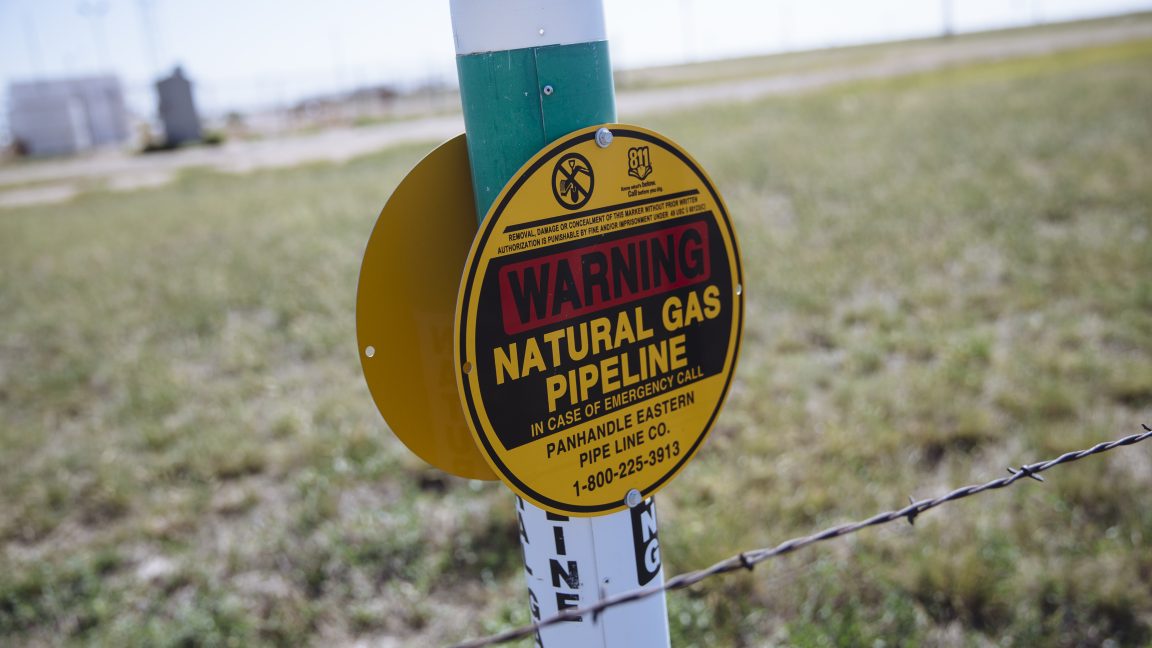
The New York Natural Gas Pipeline Saga: Former Governor Andrew Cuomo famously deployed Section 401 in 2020 to block the Constitution natural gas pipeline crossing from Pennsylvania. The stated rationale directly cited significant, unmitigable risks to water quality throughout construction and operation. This decision underscored states’ willingness to halt major fossil fuel infrastructure. Intriguingly, Governor Kathy Hochul later approved permits in 2023 for pipeline expansion—demonstrating complexities where shifting political priorities intersect with technical water quality judgments under Section 401 authority.
These cases exemplify powerful leverage. Industry analysis often points to such high-profile denials creating chilling effects, delaying investments worth tens of billions nationwide through uncertainty or abandonment.
Voices of Opposition: Fears of Weakened Protections
Public engagement revealed staunch defense of current state Section 401 rules. During EPA’s summer 2023 webinars, numerous stakeholders powerfully articulated concerns backed by evidence:
- Proven Effectiveness: Participants praised Section 401 as an indispensable component of the CWA’s success story. Citing tangible water quality improvements since 1972—like cleaner rivers once choked by industrial pollution—they argued Section 401 provides essential local oversight federal regulators often lack capacity for.
- Protecting Ecosystems & Public Health: Highlighting diverse threats (mining runoff, pipeline spills, estuary dredging), speakers emphasized Section 401 empowers states/Tribes to safeguard vulnerable waterways critical for drinking sources, fisheries, and biodiversity before irreversible damage occurs. They link weaker Section 401 authority directly to heightened pollution risks.
- Economic & Sovereignty Arguments: Tribal Nations emphasized inherent treaty rights protecting ancestral waters. Numerous state officials warned undermining Section 401 would stifle sustainable local economies dependent on healthy ecosystems (recreation, tourism, fishing). The EPA synthesized these views: weakened state/Tribal authority could “undermine public health, environmental protection, and local economies”—involving both ecological and public welfare impacts.
Navigating the Rulemaking Pathway
The EPA’s journey towards a final Section 401 rule is firmly underway:
- Public Input: The agency concluded collaborative webinars summarizing vocal resistance to Section 401 changes, documenting substantial support retaining robust protections.


