
The Driverless Dream: Inside Tesla’s Robotaxi Reality Check
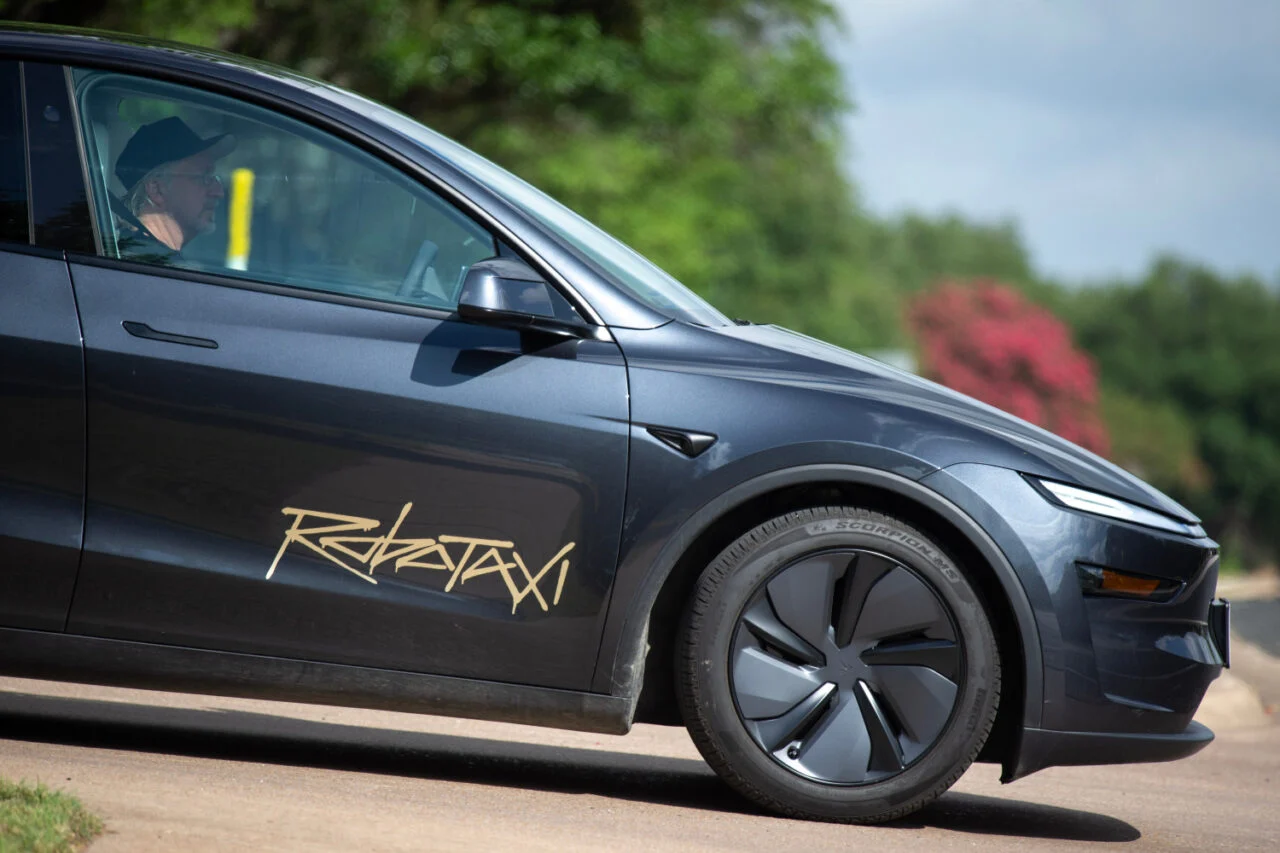
Imagine hailing a cab where nobody sits behind the wheel. Is Tesla Robotaxi service making this sci-fi vision a widespread reality right now? That’s the tantalizing claim fueled by Elon superimposing Musk’s social media post in January 2026, declaring unmanned Tesla rides had begun in Austin. Shared videos of empty driver’s seats caused a market buzz and captivated tech enthusiasts globally. Yet, beneath the headlines promising a Waymo-rivaling breakthrough, diligent investigation reveals a murkier picture. This deep dive exposes the significant gap between enthusiastic announcements and the tangible accessibility of genuinely unsupervised Tesla Robotaxi rides for ordinary customers, highlighting crucial questions about deployment scale, safety protocols, and transparency.
Decoding Musk’s “Unsupervised” Announcement
Elon Musk’s January 2026 tweet (“Just started Tesla Robotaxi drives in Austin with no safety monitor in the car”) wasn’t just news; it was a seismic event. Paired with a video from Tesla enthusiast @TSLA99T showing a Tesla stopped at a red light with an undeniably empty driver’s seat, filmed from the rear seat, it appeared to herald Tesla entering the coveted “truly driverless” club alongside Waymo


