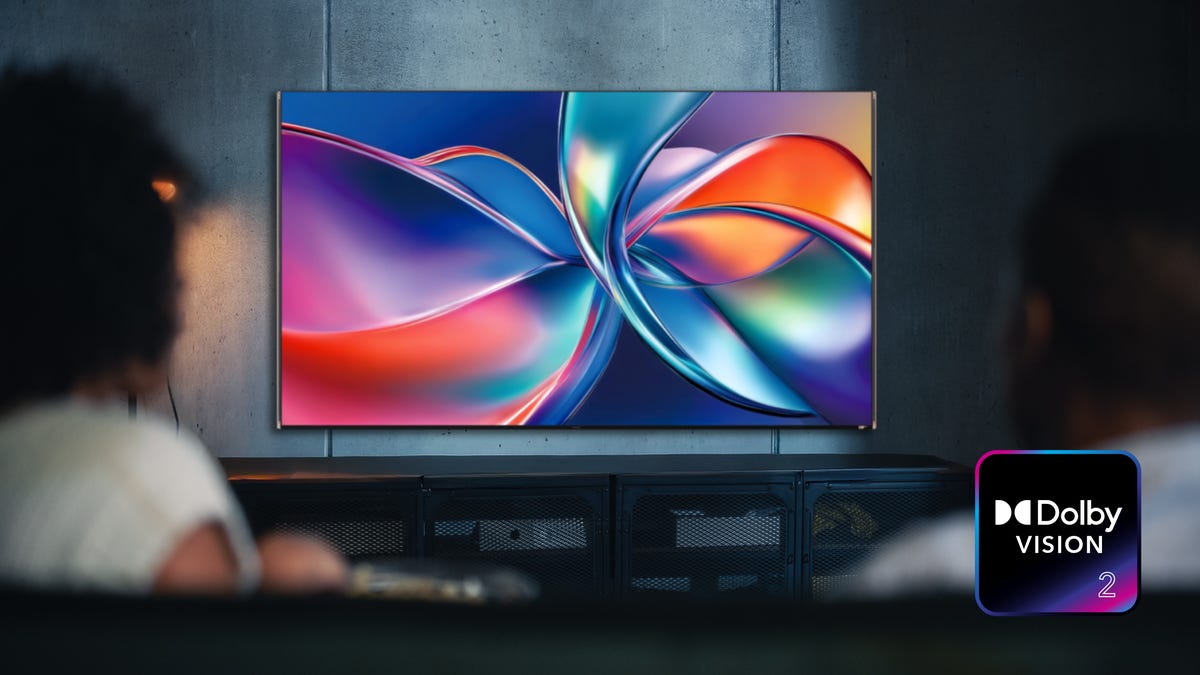

Is Your TV About to Get Even Better? Exploring Dolby Vision 2
Are you ready for even brighter highlights and deeper blacks on your next TV? The quest for the perfect home theater experience is constantly evolving, and Dolby is once again stepping up its game. With the announcement of Dolby Vision 2, an updated and upgraded version of their High Dynamic Range (HDR) format, viewers can anticipate a more immersive and visually stunning experience. This article dives into the details of Dolby Vision 2, exploring its key features, potential impact, and what it means for the future of home entertainment.
Decoding Dolby Vision 2: A New Era of HDR
Dolby Vision has long been a leading force in the HDR landscape, offering superior picture quality compared to standard HDR10. Dolby Vision dynamically adjusts the HDR metadata on a scene-by-scene basis, allowing for more accurate and nuanced color and contrast. Dolby Vision 2 (DV2) builds upon this foundation, promising even more impressive results.
The Heart of the Upgrade: A Redesigned Image Engine
At the core of Dolby Vision 2 lies a “redesigned and even more powerful image engine.” While the specific details remain somewhat vague, the intention is clear: to leverage the advancements in TV technology since the original Dolby Vision launch. Modern TVs are capable of significantly higher brightness levels and improved contrast ratios, and Dolby Vision 2 is designed to fully exploit these capabilities. This new image engine promises:
- Improved Tone Mapping: Tone mapping is the process of converting HDR content to the display’s capabilities. DV2 aims to optimize this process for even greater accuracy and detail.
- Enhanced Highlight Detail: Taking advantage of brighter panels, DV2 should deliver even more stunning highlights, making scenes more realistic and immersive.
Content Intelligence: Bridging the Gap Between Creator and Viewer
Perhaps the most significant innovation in DV2 is “Content Intelligence.” This suite of new tools aims to ensure that what you see on your screen at home closely matches the creative intent of the filmmakers or game developers. This is achieved through three key aspects:
- Precision Detail: Dolby is aiming to provide the best in screen details
- Perfect Black: This aspect focuses on optimizing black levels for different viewing environments. In theory, this means deeper, more accurate blacks, especially in dimly lit rooms. In practice, this could prevent the “washed-out” look that can sometimes plague HDR content on less capable displays.
- Precision Clarity: This seems to focus on automatically adjusting the image brightness based on the ambient light in the room. While many TVs already offer this feature, Dolby aims to refine the process and ensure it aligns with the creator’s vision. The aim is to brighten the image when there’s a lot of ambient light and darken it when there isn’t, maintaining optimal viewing conditions.
Here’s a simple comparison table outlining these features:
| Feature | Description | Benefit |
|---|---|---|
| Perfect Black | Optimizes black levels based on the viewing environment. | Deeper blacks and improved contrast, especially in dark rooms. |
| Precision Clarity | Automatically adjusts image brightness based on ambient light. | Maintains optimal viewing conditions in various lighting environments. |
| Precision Detail | Dolby promises increased detail on screens to make for the best images on your screen at home. | Creates an immersive viewing experience. |
Authentic Motion: A Creative’s Take on Motion Smoothing
One of the most potentially controversial features of Dolby Vision 2 is “Authentic Motion.” This feature allows filmmakers and game developers to control motion smoothing on a shot-by-shot basis.
Motion smoothing, often referred to as the “soap opera effect,” is a technology that artificially smooths out motion in video content. While some viewers appreciate this effect, many find it unnatural and distracting, preferring the traditional cinematic look with a slight amount of judder.
Authentic Motion aims to provide a creative-driven approach to motion control. Instead of relying on the TV’s automatic motion smoothing settings, directors and developers can fine-tune the level of de-judder for specific scenes, ensuring that the motion appears as they intended. This could lead to a more consistent and authentic viewing experience. According to Dolby, “[Authentic Motion allows a creative] to adjust the amount of de-judder for the specific shots or scenes they feel best matches the look of what they are trying to convey. It’s driven by artist intent and can/will only be used on the shots they feel really need it and only at the amount they believe is needed.”
It’s important to note that Authentic Motion is an option within Dolby Vision 2. Creators must actively enable it, and it will only be available on DV2-compatible TVs. This means that viewers who dislike motion smoothing won’t be forced to endure it unless the creator specifically chooses to implement it.
Dolby Vision 2 Max vs. Standard Dolby Vision 2
Dolby Vision 2 will be available in two versions:
- Dolby Vision 2 Max: This version is aimed at high-end TVs and will include all the features of DV2, including Authentic Motion.
- Standard Dolby Vision 2: This version, sometimes referred to as “Vanilla,” will include Content Intelligence and the redesigned image engine, but may not include Authentic Motion.
This allows TV manufacturers to offer Dolby Vision 2 on a wider range of models, catering to different price points and performance levels.
Dolby Vision 2 and the Future of Home Entertainment
Dolby Vision 2 represents a significant step forward in HDR technology. By focusing on both image quality and creative intent, DV2 aims to deliver a more immersive and authentic viewing experience.
Here are some key takeaways regarding Dolby Vision 2:
- Not a Format Replacement: Existing Dolby Vision-compatible TVs will not be rendered obsolete. DV2 is designed to coexist with the existing Dolby Vision ecosystem.
- Focus on Creative Control: Dolby is empowering creators to fine-tune the viewing experience, ensuring that their vision is accurately translated to the home screen.
- Potential for Increased Dolby Vision Content: The new creative tools in DV2 could make it easier for filmmakers and game developers to create and master content in Dolby Vision, potentially leading to a wider availability of DV content.
Hisense is slated to be the first manufacturer to offer TVs with Dolby Vision 2, with other companies likely to follow. We can expect to see many DV2-compatible TVs announced at CES 2026.
While it’s still early days, Dolby Vision 2 promises to deliver a new level of HDR performance and creative control. As more DV2-compatible TVs hit the market, we can expect to see even more stunning and immersive visuals in our homes.
People Also Ask:
- Will my current TV support Dolby Vision 2? No, Dolby Vision 2 requires new hardware and is not backwards compatible. Your current Dolby Vision-compatible TV will continue to function as normal.
- What are the benefits of Dolby Vision 2 over the current Dolby Vision? Dolby Vision 2 offers improved image quality through a redesigned image engine, enhanced content intelligence features (Perfect Black, Precision Clarity), and potentially, Authentic Motion, which allows creatives to control motion smoothing.
- When can I buy a TV with Dolby Vision 2? Expect to see new TVs with Dolby Vision 2 announced at CES 2026, with Hisense being one of the first manufacturers to offer the technology.
Conclusion
Dolby Vision 2 is poised to redefine the home theater experience. By combining advanced image processing with creative control, Dolby aims to bring the filmmaker’s vision directly into your living room. While the full impact of DV2 remains to be seen, the potential for even more immersive and visually stunning entertainment is undeniable. From enhanced detail to controlled motion, Dolby Vision 2 is shaping the future of HDR. What do you think about Dolby Vision 2 and the potential for creative control over motion smoothing? Comment below!
Sources & Further Reading:
Original article at www.cnet.com


