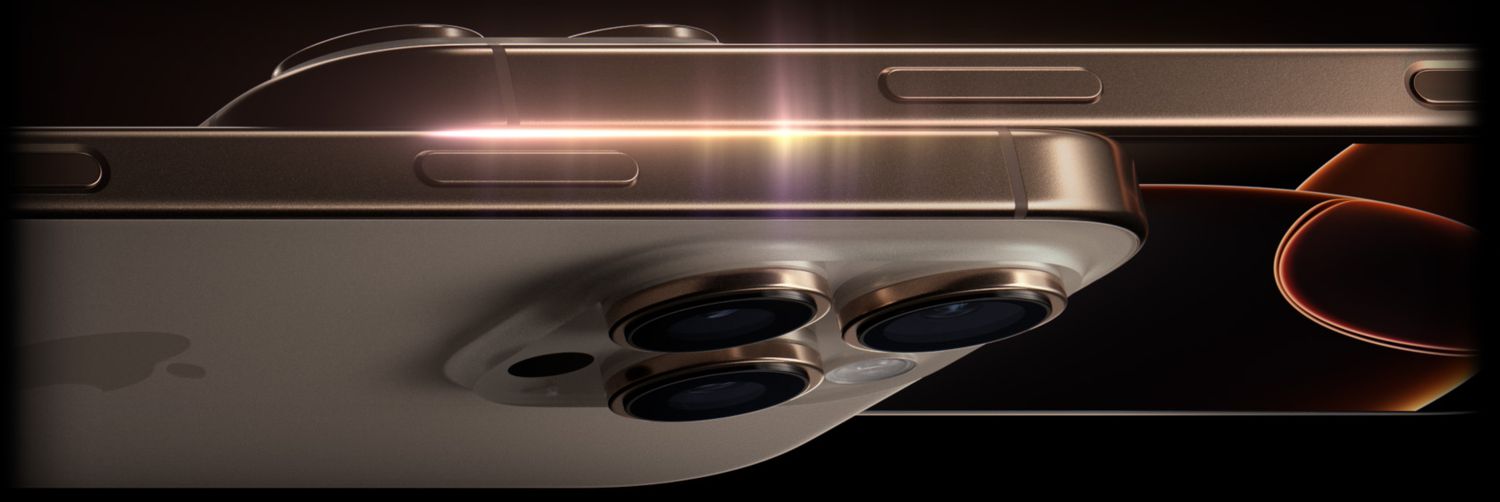

The iPhone 18: Beyond Incremental? Why 2026 Might Mark Apple’s Next Big Leap
Is the era of predictable iPhone upgrades finally ending? While the iPhone 17 remains months away, whispers from the tech rumor mill suggest its successor, the iPhone 18, targeted for September 2026, is poised to shatter the trend of minor tweaks. Tucked away in Cupertino labs, this future flagship is reportedly evolving into far more than just “the next iPhone.” Why the buzz years in advance? Apple’s legendary long-term planning means foundational work on the iPhone 18 is undoubtedly underway, fueled by ambitions for transformative features that could redefine user experience. Examining these early speculations reveals a potential turning point in Apple’s smartphone evolution, promising breakthroughs in imaging, display technology, silicon power, connectivity, and even the very structure of the lineup.
Building the Future Today: Apple’s Multi-Year iPhone Vision
Apple doesn’t build iPhones overnight. The seamless annual releases mask a complex, multi-year gestation period for each model. The iPhone 18, though over two years distant (expected September 2026, following a likely September 2024 iPhone 16 and 2025 iPhone 17), is unquestionably already on the drawing board and in prototype stages.
- Hardware Validation: Designing, testing, and sourcing radically new components like custom camera sensors or next-gen chips involves lengthy lead times and rigorous reliability testing under diverse conditions. Moving features like Face ID under the display requires solving intricate engineering challenges related to sensor accuracy and display clarity.
- Chip Development: The A-series chips demand significant R&D investment years ahead. The rumored A20 processor for the iPhone 18 necessitates advanced design work now to leverage cutting-edge manufacturing nodes like TSMC’s anticipated 2nm process.
- Software Synergy: New hardware capabilities must be tightly integrated with future software iterations. iOS 27, destined for the iPhone 18, would require features designed explicitly to exploit advancements like a variable aperture camera or neural engine upgrades. This deep hardware-software integration is an Apple hallmark but requires parallel development.
This forward-looking cycle ensures concepts barely hinted at today could become concrete features by 2026. The rumors surfacing now are likely echoes of major technical pivots being baked into Apple’s multi-year roadmap.
Decoding the Potential: Groundbreaking iPhone 18 Features on the Horizon
While still speculative, several rumored features for the iPhone 18 hint at substantial leaps:
Revolutionizing Photography: The Variable Aperture & Sensor Shift
- Variable Aperture Camera: Moving beyond fixed apertures seen in all previous iPhones, this technology (as analyst Ming-Chi Kuo suggests for the Pro models) dynamically adjusts the lens opening size. The potential impacts are profound:
- Enhanced Low-Light Performance: Wider apertures (lower f-numbers like f/1.4) capture significantly more light, drastically improving clarity and reducing noise in dim conditions without solely relying on computational photography.
- Artistic Depth Control: Narrower apertures (higher f-numbers like f/4 or f/8) increase depth-of-field, allowing users to keep more background elements in focus, a style often preferred in landscapes. This offers DSLR-like creative control.
- Samsung Sensor Shift: Rumors suggest Apple might partner with Samsung, not Sony, for key imaging sensors on the iPhone 18. Samsung is a leader in ISOCELL sensors known for advanced pixel tech and integration. This shift could signal Apple seeking specific capabilities (like better low-light performance or improved sensor-shift stabilization) Samsung offers.
Table: Expected Benefits of Variable Aperture vs. Current Fixed Aperture
| Feature | Fixed Aperture (Current iPhones) | Variable Aperture (Rumored for iPhone 18 Pro) |
| :——————– | :——————————- | :——————————————– |
| Aperture Control | Fixed (e.g., f/1.7 – f/2.8) | Adjustable (e.g., f/1.4 – f/4+) |
| Primary Benefit | Optimized per lens position | Creates optical bokeh; improves in varied lighting |
| Low-Light Benefit | Computational+OIS | Significantly more optical light capture |
| Creative Control | Limited Depth-of-field via software | True optical Depth-of-field control |
A Truly Seamless Display: The End of the Notch/Dynamic Island?
- Under-Display Face ID: The long-anticipated holy grail of iPhone design: eliminating any visible front sensor array. Integrating the TrueDepth camera system invisibly beneath the iPhone 18 display promises:
- Maximized Screen Real Estate: A truly edge-to-edge display without interruptions, maximizing the usable area for content.
- Design Purity: A significant aesthetic shift towards minimalism, removing the notch/pill that has defined recent models.
- Refined Emission and Sensing: This requires engineering feats: transparent OLED areas allowing sensors to see accurately while maintaining excellent display quality. Industry whispers suggest Apple has prototypes and is refining reliability. Source: Reports from Display Supply Chain Consultants (DSCC) often track such panel developments.
Raw Power and Connection: Chips, Modems, and Wireless Tech
- A20 Processor Breakthrough: Leveraging TSMC’s projected 2nm chip manufacturing process (a step beyond the 3nm used for the A17 Pro and expected for A18/A19), the A20 could deliver the rumored ~15% performance increase while maintaining similar power consumption to the iPhone 17’s A19. This translates to:
- Faster Complex Tasks: Enhanced machine learning (AI), augmented reality, video rendering, and gaming.
- Sustained Efficiency: Longer battery life under similar workloads or support for more power-hungry features without penalty. This efficiency gain is crucial as devices become more AI-centric. Source: TSMC’s public roadmap and analysis from firms like TrendForce.
- Apple’s Modem Takes the Helm: The potential debut of the in-house “C2” modem, especially in iPhone 18 Pro models, signals a major milestone after Apple’s acquisition of Intel’s modem business. This promises:
- Performance Gains: Faster cellular speeds (LTE/LTE-Advanced, sub-6 5G, mmWave 5G).
- Power Efficiency: Optimized hardware/software integration typically yields better battery life compared to third-party solutions (like Qualcomm).
- Reduced Costs & Control: Long-term strategic benefits for Apple, reducing reliance on suppliers. (Source: Bloomberg reporting on Apple’s internal modem project).
Rethinking the Lineup: Enter the “Ultra” and Design Materials
- The ‘iPhone 18 Ultra’: Disruption in the Tier? Rumors swirl about Apple introducing a fourth tier: an “Ultra” model above the Pro Max. This could feature:
- Differentiated Technology: An even more powerful chip variant, exclusive camera capabilities (like enhanced zoom or LiDAR), or dedicated AI accelerators.
- Dramatic Battery Life: Significantly larger or more efficient batteries leveraging new cell chemistry.
- Material/Sculptural Differences: A potential change in chassis materials (like titanium variations) or even a slight form factor shift, marking a clearer separation. While enticing for power-users, this risks further complicating the lineup and alienating consumers overwhelmed by choices.
- Lightweight Evolution: Expect continuous refinement in materials and internal component stacking pushing towards a measurably lighter or thinner iPhone 18, enhancing everyday comfort. Advanced composites or titanium alloys could play a key role.
Software Foundation: iOS 27 and the AI Floodgates
- iOS 27: Intelligence Unleashed: Predictably the iPhone 18 will launch with iOS 27. Building on Apple’s significant push into “Apple Intelligence,” we can anticipate:
- Deep System-Level AI: Features going beyond Siri, infused into photography (Auto Enhance++, scene understanding), communication (smart replies, contextual prioritization), health (predictive insights), and creative tools.
- Hardware Optimization: Tight integration with the A20’s Neural Engine for on-device processing, enhancing privacy and speed. The computational photography engine will evolve further, especially if leveraging the variable aperture.
Expert Verification: Fueling the Rumor Fire
Credible analysts add substantial weight to these speculations:
- Ming-Chi Kuo has consistently pointed towards the variable aperture camera upgrade specifically targeting iPhone 18 Pro models and the adoption of TSMC’s 2nm technology as a key enabler for performance and efficiency gains.
- Reports from Jeff Pu (Haitong International Securities) and others at outlets like MacRumors and 9to5Mac echo the under-display Face ID potential and sensor supply chain shifts (Samsung sources), suggesting broader industry validation beyond just leaks. Kuo himself has also touched on the possibility of under-display tech maturing around this timeframe.
- The consistent theme across sources is that Apple is capitalizing on technologies it has been internally developing and refining for years – things like under-display sensors and advanced optical designs – indicating the iPhone 18 might be the moment multiple streams of long-term R&D finally converge into a single device.
Conclusion: Anticipating a Potential Paradigm Shift
While over two years away, the iPhone 18 is shaping up to be far more than just another iterative step in iPhone history. The confluence of rumored features – a game-changing variable aperture camera poised to redefine mobile photography, the prospect of a finally uninterrupted display with under-display Face ID, the generational leap promised by TSMC’s 2nm A20 chip, the independence signaled by an in-house modem, and the strategic intrigue of a potential “Ultra” tier – all point towards a device designed for significant impact. Apple’s long development cycles mean the foundations for these innovations are being laid right now. If even half of these predictions materialize, the iPhone 18 could mark the end of the “incremental update” perception and herald a new era of transformative Apple hardware deeply integrated with advanced AI capabilities through iOS 27. Will 2026 be the year Apple truly revolutionizes the smartphone again? The pieces seem to be moving into place. What feature would make the iPhone 18 a must-have upgrade for you? Share your thoughts below!
Sources & Further Reading:
Original article at www.lifewire.com


