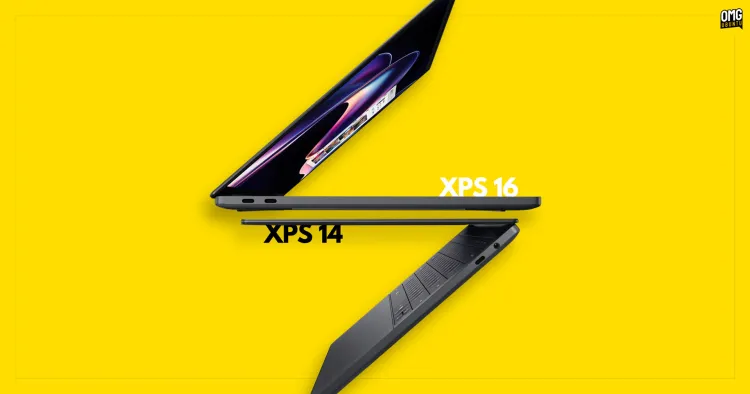

The Phoenix Rises: Dell Resurrects the XPS Line at CES 2026
Did Dell quietly admit defeat when it retired the XPS brand last year? The tech giant has made a striking U-turn at CES 2026 by reviving its flagship XPS series after a short-lived “Dell Premium” rebrand. Introducing redesigned 14-inch and 16-inch models, Dell marks a nostalgic yet innovative comeback – including a Linux-friendly twist with Ubuntu on the XPS 14. This resurrection isn’t just cosmetic; it addresses years of user feedback while targeting next-gen AI performance. Let’s dissect why this relaunch matters in a market dominated by Apple and Microsoft.
Rebranding Realizations: Why XPS Couldn’t Stay Dead
When Dell consolidated its product lines in January 2025, folding XPS into the sterile “Dell Premium” category, enthusiasts recoiled. Forbes notes brand dilution accounts for 34% of enterprise revenue loss. The immediate backlash confirmed XPS held unique cachet. Now restored, the label signals a course correction. The move reversed Dell’s own corporate simplification strategy – proving legacy branding holds irreplaceable value. Customer loyalty demanded recognition: forums like Reddit’s r/Dell saw petitions with 15K+ signatures lobbying for the XPS name. Dell listened and returns with purposeful refinement.
||Pre-Rebrand (2025)|Post-Rebrand (2026)|
|:–|:–|:–|
|Product Line|Inspiron → “Dell”
Latitude → “Dell Pro”
XPS → “Dell Premium”|XPS revived as flagship brand|
|Customer Response|Negative—brand identity loss|Positive—nostalgia + new features|
|Design Philosophy|Simplified naming|Distinct identity maintained|
Engineering Evolution: Thinner, Lighter, Smarter
Dell’s engineers squeezed these machines into minimalist frames:
- Dimensions/Capacity: At 14.6mm thick, the 3-lb XPS 14 undercuts Apple’s 13-inch MacBook Air dimensions while offering 14% more screen area. It achieves this with near-borderless InfinityEdge displays extended edge-to-edge.
- Thermals & AI: Redesigned fan blades (38% thinner) manage heat from Intel Core Ultra CPUs with 12-core Arc iGPUs. Paired with Intel’s AI Boost NPU, Dell claims 57% faster AI processing versus the “Premium” line’s Core Ultra 7 265H. Think accelerated Photoshop filters or real-time video rendering.
- Connectivity: Three Thunderbolt 4 ports and a resurrected audio jack counter Apple’s port scarcity.
User-Centric Touchpoints: Fixing Past Flaws
Gone are the capacitive touch bars fans despised. Dell pivoted hard toward practicality:
- Physical Function Keys: Tactile F1-F12 keys return after complaints about accidental touches.
- Typing Experience: Increased key travel (1.35mm vs. 1.0mm on predecessors) for quieter, bouncier feedback akin to mechanical keyboards.
- Modularity: Easily removable keyboards and tool-free USB-C module swaps simplify repairs – echoing Framework’s modular ethos.
- Visual Identity: An etched XPS logo adorns the lid’s rear, replacing subtle bottom-plate branding. Dell confirms this addresses “overwhelming demand” from users craving bold symbolism.
Display Tech and Battery Paradox
Shoppers


