
Unlocking Gut Secrets: A Personal Journey with a Home Microbiome Test
Have you ever wondered what’s really going on inside your gut? While the idea of analyzing your own stool sample might seem a bit…unconventional, understanding your gut microbiome is becoming increasingly important for overall health. This article delves into a personal experience with a home microbiome test, exploring the process, results, and insights gained. Let’s dive in and see what secrets our gut bacteria might be holding.
Decoding Your Inner Ecosystem: The Home Microbiome Testing Experience
What is a Microbiome Test and Why Should You Consider One?
The gut microbiome refers to the trillions of bacteria, fungi, viruses, and other microorganisms that live in your digestive tract. These tiny inhabitants play a vital role in digestion, immunity, nutrient absorption, and even mental health. An imbalance in the gut microbiome, known as dysbiosis, has been linked to a wide range of health issues, from digestive disorders like Irritable Bowel Syndrome (IBS) to chronic diseases like type 2 diabetes and even certain types of cancer. [^1^]
A home microbiome test offers a convenient way to analyze the composition of your gut microbiota. By identifying the types and relative abundance of different organisms present, these tests can provide valuable insights into your gut health and potential areas for improvement. The idea is to take the guessing game out of improving gut health. While no test can provide a definitive diagnostic, it can help you focus efforts.
The Process: From Collection to Results
The home testing process, as described by the individual in the source material, begins with a stool sample collection. While the initial thought might be off-putting, the collection process is designed to be relatively simple and hygienic. The “little paper hammock affixed to your toilet seat,” as it was described, simplifies collection, and the fact that it’s flushable minimizes mess. After swabbing the sample, it’s mixed with a stabilizing solution, sealed, and shipped off to the lab for analysis.
The waiting period can be a bit long – around 20 days in this case – but the anticipation builds as you await the results. Once processed, the data is typically presented through an online portal.
Understanding the Test Results: A Breakdown
The test results are typically organized into several sections, providing a comprehensive overview of your gut microbiome. Some common sections include:
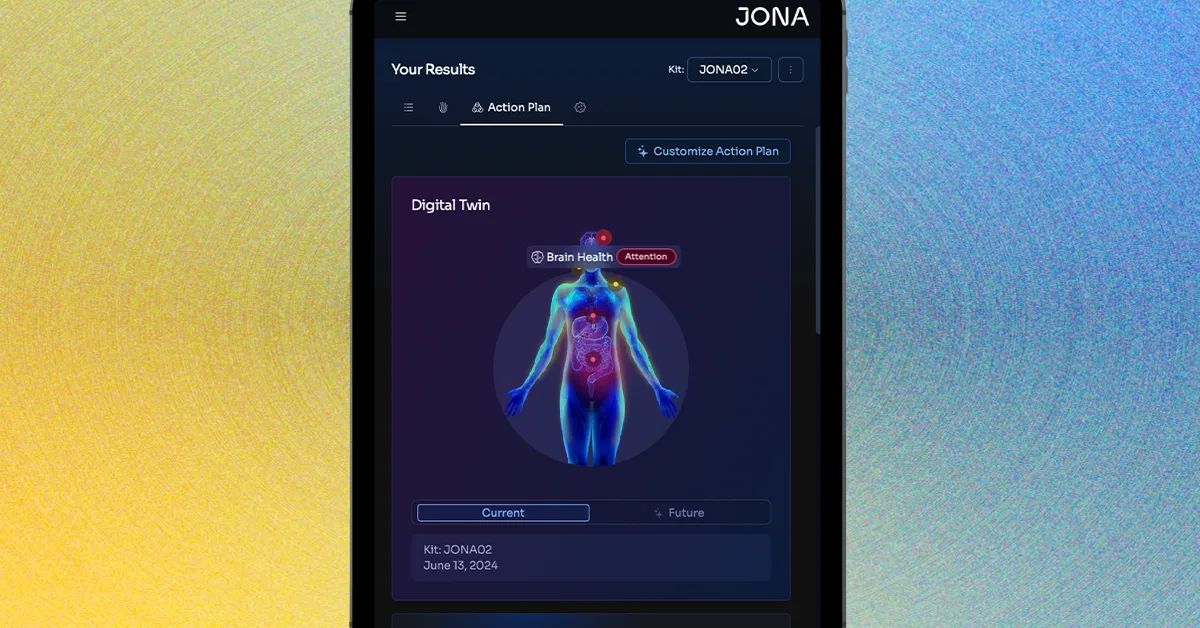
- Summary: This section offers a high-level overview of your gut health, often categorized by different health areas like brain health, GI health, metabolic health, skin health, and physical performance.
- Action Plan: Based on the analysis of your microbiome, the action plan suggests personalized recommendations for diet, lifestyle, and probiotic supplementation.
- Organisms: This section lists all the organisms identified in your sample, along with their relative abundance. This is where you can see the specific bacteria, fungi, and other microbes that make up your gut microbiome.
Analyzing the Personal Microbiome Test Results
The Good News: Diversity and Absence of Pathogens
In the example presented, the individual received positive news regarding their microbiome diversity. A diversity score of 4.19, above the average range (2.80–3.99), suggests a healthy and resilient gut ecosystem. High microbiome diversity is generally associated with better health outcomes, as it indicates a wider range of beneficial bacteria that can perform various functions. [^2^]
The test also revealed the absence of pathogens and parasites, further contributing to a positive assessment of gut health. Additionally, the results indicated good lactose digestion, which is a relief for many individuals who experience digestive issues after consuming dairy products.
Unexpected Findings and Associations
While some results aligned with expectations, others were surprising. The absence of associations with conditions like depression, Celiac disease, IBS, ulcerative colitis, leaky gut, hypertension, and eczema was welcome. However, the lack of association with insomnia and fatigue, despite the individual’s lifelong struggles with these issues, was puzzling.
Here’s a look at some of the specific associations identified:
- Brain Health: Moderate association with stress and low association with ADHD. These findings were not unexpected, suggesting a potential link between the gut microbiome and mental well-being. The gut-brain axis is a well-documented connection, where the gut and brain communicate bidirectionally. [^3^]
- Metabolic Health: Very low association with prediabetes. While lower than expected, this still highlights the importance of monitoring metabolic health and adopting preventive measures.
- Osteoarthritis: Moderate association, which aligns with the individual’s family history. This suggests a possible connection between the gut microbiome and joint health.
Interpreting the Associations: It’s Not a Diagnosis
It’s important to emphasize that the associations identified in a microbiome test are not definitive diagnoses. They indicate potential risks or predispositions based on the composition of your gut microbiota. These associations should be interpreted in conjunction with other factors, such as medical history, lifestyle, and other diagnostic tests.
The following table provides an illustration of this:
| Association | Level | Possible Interpretation | Further Action |
|---|---|---|---|
| Stress | Moderate | Gut microbiome composition may be contributing to stress levels. | Consider stress-reducing activities, dietary changes to support gut health, and consult with a healthcare professional if stress is debilitating. |
| Prediabetes | Very Low | While low, a slight predisposition to prediabetes may exist. | Monitor blood sugar levels, adopt a healthy diet, and engage in regular exercise. |
| Osteoarthritis | Moderate | Gut microbiome composition may be influencing inflammation and joint health. | Consider anti-inflammatory diet, supplementation, and consult with a healthcare professional for osteoarthritis management. |
Practical Applications and Considerations
Tailoring Your Diet and Lifestyle
The primary benefit of a microbiome test is the potential to personalize your diet and lifestyle based on your unique gut profile. The action plan provided with the test results can offer specific recommendations for foods to eat, supplements to take, and lifestyle changes to implement.
For example, if the test reveals a low abundance of certain beneficial bacteria, you might consider incorporating probiotic-rich foods like yogurt, kefir, and sauerkraut into your diet. You might also focus on consuming prebiotic-rich foods, such as onions, garlic, and bananas, which provide nourishment for beneficial gut bacteria. [^4^]
The Importance of Consulting with a Healthcare Professional
While home microbiome tests can provide valuable insights, it’s crucial to consult with a healthcare professional, such as a doctor or registered dietitian, to interpret the results and develop a personalized treatment plan. A healthcare professional can help you understand the significance of the findings in the context of your overall health and medical history.
Choosing the Right Test: Considerations and Limitations
Not all microbiome tests are created equal. When choosing a test, consider factors such as the lab’s reputation, the accuracy of the testing methods, and the comprehensiveness of the results. It’s also important to be aware of the limitations of these tests. The gut microbiome is a complex and dynamic ecosystem, and a single test provides only a snapshot in time.
Conclusion: A Valuable Tool for Proactive Health Management?
A home microbiome test can be a valuable tool for gaining insights into your gut health and potentially improving your overall well-being. While the experience might be a bit unusual, the information gained can empower you to make more informed decisions about your diet, lifestyle, and health management. Remember that these tests aren’t diagnostic tools, but rather aids in understanding your body better. Always consult with a healthcare professional to develop a personalized plan based on your specific needs and circumstances.
What do you think about home microbiome tests? Have you tried one, or are you considering it? Share your thoughts and experiences in the comments below!
References:
[^1^]: Wikipedia: https://en.wikipedia.org/wiki/Gut_microbiota
[^2^]: The American Gut Project: https://americangut.org/
[^3^]: Gut-Brain Axis: https://www.ncbi.nlm.nih.gov/pmc/articles/PMC6469458/
[^4^]: Prebiotics and Probiotics: https://www.health.harvard.edu/staying-healthy/prebiotics-and-probiotics-creating-a-healthier-you
Sources & Further Reading:
Original article at www.wired.com


