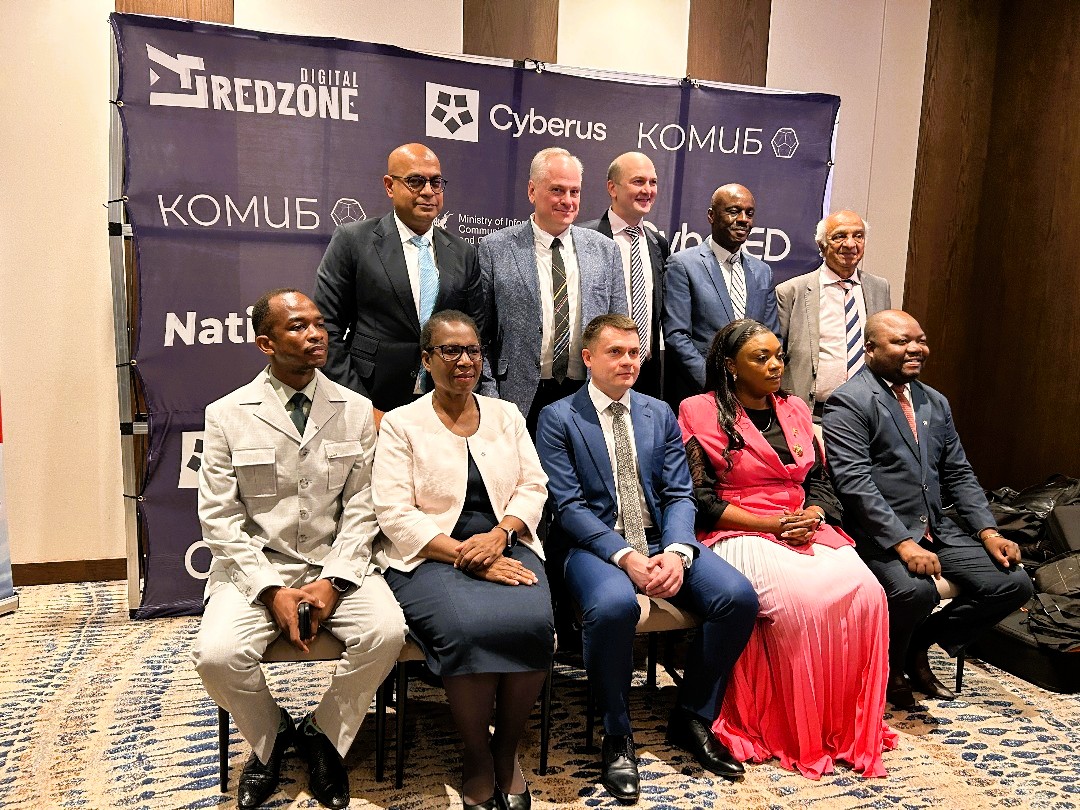

Zimbabwe’s Cybersecurity Gamble: Can Cyberus Deliver on its $100 Million CyberDom Promise?
Is Zimbabwe poised to become an unexpected hub for global cybersecurity talent? On the surface, the launch of Cyberus’s ambitious cybersecurity training program in Harare might seem like another fleeting tech promise for a nation accustomed to grand announcements that fizzle. Yet, the potent combination of an energized youth, tangible early action, and a clear private-sector-driven talent pipeline model demands a closer look. This Cybersecurity Training Programme in Zimbabwe represents more than just another course; it’s the declared first step in creating “CyberDom,” a proposed $100 million tech ecosystem including a hub, academy, and data centers. Understanding its potential and pitfalls is crucial for Zimbabwe’s economic future and its emerging role in the global digital landscape. Can Cyberus shatter Zimbabwe’s cycle of tech project disillusionment and unlock genuine opportunity for its youth?
The Unprecedented Surge: Youth Buy-In Hints at Pent-Up Demand
The most striking initial validation for Cyberus’s initiative came not from lofty government speeches, but directly from Zimbabwean youth facing massive unemployment and seeking opportunities.
- Overwhelming Immediate Response: News of the program prompted an astonishing over 800 registrations within just a few days, significantly exceeding expectations. This demonstrates a powerful hunger for tangible pathways into the high-value tech sector, particularly cybersecurity, among young Zimbabweans.
- Adaptive and Pragmatic Structure: Unlike many free programs with rigid entry points, Cyberus adopted a flexible approach:
- Immediate Accessibility: Registered participants could begin the cybersecurity training content right away, progressing at their own pace online. This lowers barriers to entry.
- Focus on Quality: A planned screening process at the end of August aims to “avoid wasting anyone’s time,” signalling an intent to identify truly committed and capable individuals.
- Talent-First Logic: This screening is likely not about exclusion from learning but about pinpointing high-potential candidates for advanced opportunities – scholarships for specialized modules in Russia, job offers (remote or on-site), or roles within the future CyberDom development team.
Why this model resonates:
- Addresses Skill Gap Urgency: Zimbabwe, like many African nations, needs rapid digital skills development to compete. Global cybersecurity workforce shortages (Source: Cybersecurity Ventures) create a window of opportunity.
- Leverages Youth Potential: With a median age of around 18.8 years (Source: World Bank) and high unemployment, Zimbabwe has an untapped, tech-savvy workforce hungry for direction.
- Practicality Over Hype: Starting training immediately provides tangible value upfront, building goodwill while vetting for commitment.
The Stakeholders: Navigating a Complex Partnership Landscape
The launch event highlighted a unique convergence of actors, each with distinct roles and motivations:
-
Cyberus (The Primary Driver):
- A company with clear Russian foundations, positioning itself as the financier and architect of the entire CyberDom vision ($100 million ecosystem). They are funding the current training program.
- Core Motivation: Sourcing top-tier cybersecurity talent strategically and cost-effectively. Zimbabwe offers a large English-speaking, potentially high-skill pool at a competitive cost compared to other global markets (Compared to Eastern European sourcing hubs like Ukraine/Bulgaria).
- Business Model: Train > Identify Top Talent > Upskill (possibly Russia) > Employ or deploy locally within CyberDom.
-
Redzone Digital (The Local Anchor):
- Functioning as the on-the-ground Zimbabwean partner, handling logistics, recruitment support, and local project coordination. Their boots-on-the-ground presence is essential for day-to-day management and cultural understanding.
-
Zimbabwean Government (The Cautious Endorser):
- Explicitly not providing direct funding. The Ministry of ICT officials present acknowledged a familiar pattern: numerous grand proposals arrive, few materialize.
- Offered official “blessing” and cautious optimism. Their support lends political weight and facilitates bureaucratic processes but carries the subtext of “show me.”
-
Russian Federation (Geopolitical Participant):
- Represented by Acting Ambassador Sergey Kuzin, underscoring diplomatic alignment with the private venture’s origins.
- Hints at potential scholarship pathways to Russia for top performers, tying human capital development to broader diplomatic and potentially technical exchange interests.
Table 1: Cyberus Programme Stakeholder Roles & Motivations
| Stakeholder | Role | Key Motivation/Contribution | Financial Contribution |
| :——————- | :—————————- | :————————————————————- | :———————— |
| Cyberus | Primary Driver & Investor | Sourcing global cybersecurity talent; Building CyberDom brand | Funding programme & future CyberDom |
| Redzone Digital | Local Implementation Partner | Logistics, recruitment, local operations | Operational costs (assumed) |
| Zimbabwe Govt | Endorser & Facilitator | Political blessing, regulatory clearance; Hoping for job creation | None (confirming sourced info) |
| Russian Embassy | Diplomatic Patron | Supporting Russian-linked investment; Facilitating training pathways | Diplomatic support |
Cyberus’s Strategy: Building a Talent Pipeline For Global Ambitions
Beyond the philanthropic veneer, Cyberus has a clear, commercially driven agenda:
- Low-Cost Talent Acquisition & Training: Running an online-first training program in Zimbabwe is significantly cheaper than similar programs in developed nations or established outsourcing hubs, allowing for scalable talent discovery.
- Global Workforce Pipeline: The endgame is integration into Cyberus’s broader global workforce. Top graduates represent potential employees.
- Option A: Offshore Talent Hub: High-performing learners could form the nucleus of a dedicated offshore team in Zimbabwe handling cybersecurity tasks for international clients (akin to models in India or Eastern Europe).
- Option B: Remote Global Deployment: Graduates could be integrated directly into Cyberus project teams working remotely for clients worldwide.
- Option C: CyberDom Builders: Selected individuals might transition into roles developing and operating the envisioned CyberDom infrastructure within Zimbabwe.
- Geopolitical Leverage & Soft Power: The Russian connection, facilitated by scholarships and training, serves dual purposes: meeting Cyberus’s talent needs while subtly aligning with Russian interests in expanding technological and diplomatic influence in Africa amid global competition.
- Branding & First-Mover Advantage: Establishing “CyberDom” positions Cyberus as a pioneer in what they hope will be a thriving Zimbabwean tech ecosystem, giving them significant branding leverage.
The Crucial “If”: This strategy hinges entirely on Cyberus possessing the sustained funding, operational scalability, and long-term commitment to see the training program through to job placements and invest significantly in the massive CyberDom infrastructure project. The $100 million figure raises immediate questions about funding sources and timeline.
Zimbabwe’s Tech History: A Landscape of Broken Promises – Will This Be Different?
Any analysis must confront Zimbabwe’s sobering history of high-profile tech ventures that failed to materialize:
-
The Haunting Legacy:
- National Broadband Project: Announced with great fanfare, this high-speed internet infrastructure project fizzled amidst funding and implementation challenges, epitomizing the gap between ambition and execution. Its remnants serve as a constant reminder.
- Drone Manufacturing Zones: Touted as revolutionary for agriculture and surveillance, these zones remain more conceptual than operational, lacking sufficient ecosystem support and clear market demand. Implementation stalled.
- NetOne Strategic Partner Search: The prolonged, often opaque search for a partner for the state-owned telco NetOne yielded headlines but no definitive, transformative deal. UK companies were linked, but nothing substantive emerged.
-
Pattern Recognition: These projects often shared characteristics: heavy reliance on over-optimistic government announcements, underestimation of capital requirements and infrastructure hurdles, lack of genuine private sector buy-in or sustainable business models, and poor execution planning.
-
Why Cyberus Might Break the Pattern (Cautious Optimism Points):
- Tangible First Steps Already Taken: Unlike proposals stuck on paper, Cyberus has already deployed a team, launched the training platform, and secured significant registrations. Genuine money has been spent upfront.
- Clear Commercial Driver: Cyberus has a direct, self-interested stake in succeeding, specifically acquiring talent in Zimbabwe. This is fundamentally different from vague government-led “development” projects or unfunded concepts. Their ROI depends on tangible outcomes.
- Demand Validation: The surge in student sign-ups isn’t government spin; it’s direct evidence of pent-up demand, providing immediate validation of the program’s core premise.
- Private Sector Leadership: The initiative is led and funded by a private company (Cyberus) with its own capital at risk, rather than relying solely on uncertain government funding or commitments.
Table 2: Past Tech Promises vs. The Cyberus Initiative
| Feature | Typical Past Zimbabwe Tech Project | Cyberus Cybersecurity Training / CyberDom |
| :———————– | :——————————————————- | :————————————————————— |
| Primary Driver | Government Announcement | Private Company (Cyberus) |
| Initial Traction | Press Releases, MoU Signings | 800+ Actual Student Registrations; Training Platform Live |
| Funding Source | Often Unclear, Reliant on Govt/External Loans | Cyberus Corporate Funding (confirmed for training phase) |
| Clear Beneficiary Model | Vague promises (e.g., “national development,” “jobs”) | Direct Talent Pipeline for Cyberus; Skills for Students |
| Execution Risk | Very High (Bureaucracy, Funding Lapses) | High, but mitigated by private investment & demand evidence |
Key Questions Demanding Answers and Accountability
The promising start doesn’t erase significant questions requiring close monitoring:
- Training Quality & Relevance: Does the curriculum meet rigorous international cybersecurity skills development standards? Does it cover fundamental technical competencies like ethical hacking, network security, cloud security, incident response, and risk management – areas identified as critical by industry bodies? Or is it overly basic? Independent assessment is crucial.
- Scholarships & Russia Pipeline: How transparent and meritocratic are the selection processes for the Russian scholarships? How many will be offered? What safeguards exist for students? How long will they last? This aspect carries weighty geopolitical and personal implications for talent.
- Job Placement Realities: Beyond the top tier sent to Russia or potentially absorbed by Cyberus’s core team, are there concrete commitments from Cyberus or its partners to hire graduates within Zimbabwe? What roles and salaries are realistic in the local context? Or, is the primary path remote work for international clients?
- The $100 Million CyberDom Mirage? The physical manifestation of CyberDom remains the grandest, riskiest element. When does construction realistically begin? Where is the $100 million investment coming from? Does this include the training program costs, or is it purely for infrastructure? Vague promises of “hubs” and “ecosystems” evaporate without concrete timelines and financial commitments. This remains firmly in the “PowerPoint phase” until ground is broken and significant capital deployed.
Conclusion: A Calculated Leap of Faith for Zimbabwe’s Digital Future
The Cyberus cybersecurity training program injects a rare dose of tangible action and private investment into Zimbabwe’s tech aspirations. Unlike countless previous announcements that evaporated, it boasts over 800 motivated young Zimbabweans eager to seize the opportunity, an already-launched training program, and a company with a direct commercial incentive to cultivate this talent pool. This combination offers a potential blueprint for sustainable digital skills development in Africa: driven by genuine private sector needs rather than solely philanthropic or government mandates.
However, deep skepticism, earned through a history of unmet promises, is entirely warranted. The project’s ultimate success hinges on Cyberus’s ability to consistently deliver high-quality training, create clear pathways to genuine employment (both locally and globally), secure the massive funding required for the CyberDom vision, and maintain operational integrity in a complex environment. The Zimbabwean government’s role as a supportive facilitator, not a funder but an enabler clearing roadblocks, remains vital.
For young Zimbabweans, this represents a potentially transformative opportunity to build cybersecurity skills with zero upfront cost. Yet, optimism must be tempered with diligence – monitor the training quality, track the scholarship outcomes, and critically assess job placement claims. The true test lies beyond the launch event buzzwords and the initial registrations. It lies in demonstrable results: certified, employable graduates, meaningful job creation, and ultimately, whether “CyberDom” evolves from a bold brand name into a thriving reality on Zimbabwean soil.
The stakes are high. Can Zimbabwe finally harness its youthful potential and become a recognized force in the global cybersecurity arena, or will this initiative join the graveyard of unrealized digital dreams? Only time – and Cyberus’s sustained actions – will tell. What do you think – is this Zimbabwe’s cybersecurity breakthrough moment? Share your perspective below!
Sources & Further Reading:
Original article at www.techzim.co.zw


