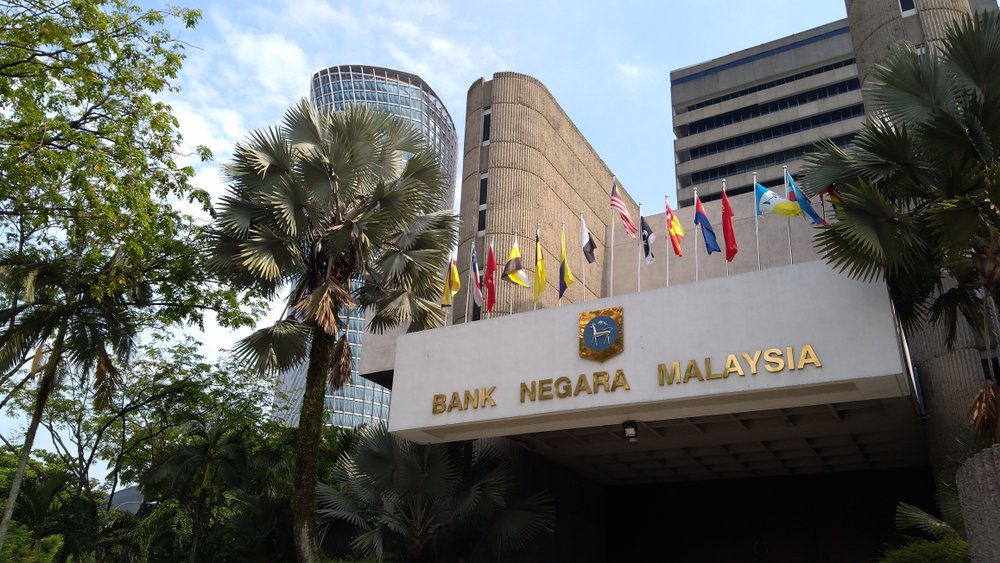

Malaysia Takes a Proactive Stance on AI in Finance with New Regulatory Framework
Is artificial intelligence (AI) revolutionizing the financial sector, or is it a ticking time bomb of systemic risk? With AI adoption rates soaring across the globe, regulators are racing to keep pace. Malaysia, through Bank Negara Malaysia (BNM), is stepping up to the challenge. BNM recently announced a discussion paper outlining its approach to AI financial regulation, open finance, and asset tokenization policies. This move signals a commitment to fostering innovation while safeguarding financial stability and seeks industry feedback on responsible AI adoption in financial services. The comprehensive framework aims to guide banks, insurers, and fintech companies in deploying machine learning technologies responsibly.
Navigating the AI Frontier: Malaysia’s Approach to Financial Regulation
BNM’s initiative to develop a robust framework for Malaysia AI financial regulation comes at a pivotal moment. The increasing integration of AI into the financial sector presents both immense opportunities and potential risks. The central bank’s discussion paper, unveiled at MyFintech Week, signifies a commitment to striking a balance between fostering innovation and ensuring the stability and integrity of the financial system.
A Three-Pronged Regulatory Strategy
Governor Abdul Rasheed Ghaffour outlined BNM’s regulatory priorities, emphasizing a three-pronged approach:
- Artificial Intelligence (AI) Governance: The discussion paper on AI outlines a regulatory and developmental approach, prioritizing industry-led collaboration and responsible AI adoption.
- Open Finance Framework: An Exposure Draft on Open Finance, slated for release by the end of 2025, will establish a framework for customer-permissioned data sharing within Malaysia’s financial ecosystem. This will allow customers to securely share their financial data with third-party providers, fostering competition and innovation in financial services. Open Finance Definition
- Asset Tokenization: A discussion paper on Asset Tokenisation will address potential use cases and safeguards for adopting tokenization technologies.
This coordinated strategy, aligned with Minister of Finance II Amir Hamzah Azizan’s “F-I-N-D agenda” (Foster, Invest, Nurture, and Democratise), underscores Malaysia’s dedication to responsible innovation and shared infrastructure development.
The Rising Tide of AI Adoption in Malaysian Finance
The discussions on Malaysia AI financial regulation are timely, coinciding with a surge in AI adoption within the Malaysian financial sector.
According to BNM’s AI Survey 2024:
- 71% of banking institutions and development financial institutions had implemented at least one AI application by the end of 2024, a significant increase from 56% the previous year.
- Insurance and Takaful operators also experienced similar growth, with AI adoption rising from 58% to 77% of companies.
The survey also reveals that financial service providers are primarily focusing on:
- Customer analytics: Understanding customer behavior and preferences to tailor products and services.
- Internal operational improvements: Streamlining processes and enhancing efficiency.
- Fraud detection: Identifying and preventing fraudulent activities.
Importantly, the majority of AI applications are designed to augment human decision-making rather than replace it entirely. Furthermore, over 60% of banking institutions and insurance operators consider AI a strategic priority for the next one to three years, with a particular focus on generative AI for internal process improvements.
Key areas of AI Deployment
| Application Area | Description | Example |
|---|---|---|
| Customer Analytics | Using AI to understand customer behavior and preferences for personalized experiences. | Recommending relevant financial products based on individual spending patterns. |
| Operational Efficiency | Automating tasks and improving processes to reduce costs and increase productivity. | Automating loan application processing and approval. |
| Fraud Detection | Identifying and preventing fraudulent transactions in real-time. | Detecting unusual account activity and flagging suspicious transactions for further investigation. |
| Risk Management | Using AI to assess and mitigate various types of financial risks. | Predicting potential loan defaults and adjusting interest rates accordingly. |
The Regulatory Compass: Principles Guiding Malaysia’s AI Financial Regulation
BNM’s regulatory philosophy centers on three core principles:
- Parity: Activities with similar risks will be regulated similarly, regardless of the technology used.
- Proportionality: Regulatory expectations and supervisory rigor will be commensurate with the materiality and likelihood of risks.
- Neutrality: The regulatory framework is technology-agnostic and focuses on outcomes rather than specific technologies.
While acknowledging that existing technology-agnostic regulatory requirements are broadly adequate for current AI applications, BNM recognizes the need for specific regulatory attention as AI evolves. This proactive approach highlights the central bank’s commitment to staying ahead of the curve and addressing emerging challenges.
Fostering Collaboration and Responsible Innovation
The discussion paper champions “win-win-win” use cases – AI applications that mutually benefit consumers, service providers, and regulatory objectives. Examples include:
- AI-driven fraud detection systems that reduce false positives and protect consumers.
- Personal financial management tools that improve financial literacy through consumer-permissioned data analysis.
BNM actively encourages industry-led collaboration through platforms like the Chief Risk Officers’ Forum, which has developed an AI Governance Framework outlining responsible AI principles: fairness, accountability, transparency, and reliability.
Strong Economic and Digital Foundation
Malaysia’s robust economic fundamentals and advanced digital infrastructure provide a solid foundation for comprehensive AI financial regulation. BNM has revised GDP growth projections to 4%-4.8% for 2025, while inflation is expected to remain moderate at 1.5%-2.3%. The ringgit’s appreciation against the USD reflects improved investor confidence in Malaysia’s structural reforms.
Furthermore, the country boasts impressive digital connectivity, with 97% of households having internet access and 98% owning smartphones. The widespread adoption of QR payments, with DuitNow becoming integral to daily transactions, further strengthens Malaysia’s digital landscape. The rise of digital banks, insurers, and Takaful operators is also expected to accelerate the adoption of digital-native models within the industry.
Seeking Industry Feedback: A Collaborative Approach
BNM is actively soliciting feedback on the AI discussion paper through October 17, 2025, inviting industry stakeholders to share their insights and perspectives. The central bank is particularly interested in receiving input on:
- Whether formal sector-specific AI definitions would benefit the industry.
- How to improve regulatory clarity.
- The AI trends that could shape the sector over the next 3-5 years.
Addressing Systemic Risk: A Key Consideration
The discussion paper raises a critical concern: the potential for AI to create new forms of systemic risk. The convergence on the use of the same foundation models and datasets could amplify interconnections among Financial Service Providers (FSPs), potentially triggering synchronized market reactions during periods of volatility.
This concern aligns with a broader regulatory philosophy emphasizing the need to balance AI’s potential benefits with the risks of creating more interconnected and potentially fragile financial networks. BNM’s approach, characterized by a regulatory sandbox and a focus on “win-win-win” use cases, suggests a pragmatic framework that prioritizes demonstrable value over pure technological innovation. The outcome of the consultation period will reveal whether the Malaysian financial industry shares this perspective.
Charting the Future of Finance with Responsible AI
Malaysia’s proactive approach to AI financial regulation sets a commendable precedent for other nations grappling with the transformative power of artificial intelligence. By prioritizing a balanced approach that fosters innovation, mitigates risk, and emphasizes industry collaboration, BNM is paving the way for a more resilient and inclusive financial future. The successful implementation of these policies hinges on the active participation of stakeholders and a continued commitment to adapting to the ever-evolving landscape of AI. What do you think about Malaysia’s approach? Share your thoughts in the comments below!
Sources & Further Reading:
Original article at techwireasia.com


