
The $168 Billion Question: Can California Tax Its Titans Without Losing Them?
What happens when the state most reliant on its ultra-rich tries to tax them directly? California’s bold proposal for a one-time 5% wealth levy on billionaires isn’t just policy—it’s a high-stakes political detonator threatening the state’s economic engine. Championed by unions to fund healthcare for the vulnerable, this California wealth tax has ignited a fierce backlash. Silicon Valley titans are threatening exodus, Governor Gavin Newsom desperately maneuvers to kill it, and Democrats fracture along ideological lines. With nearly half the state’s income tax revenue hinging on the top 1%, this fight transcends ideology—it’s a gamble with California’s fiscal foundation. The core dilemma remains: Can the state tackle inequality by taxing extreme wealth without triggering the very capital flight it fears?
Silicon Valley on Edge: Threats of Exodus Amplify
The proposed wealth tax, targeting assets including stocks, businesses, art, collectibles, and even intellectual property, aims to raise billions to counteract federal healthcare cuts impacting low-income Californians. However, the immediate consequence has been an eruption of panic and hostility from the tech elite whose fortunes are squarely in the crosshairs.
- The Stakes: California isn’t just home to iconic beaches and Hollywood; it boasts more billionaires than any other state, housing potentially several hundred individuals with staggering fortunes. A review by The Associated Press noted at least 25 names from the Forbes global wealth rankings maintain significant California ties.
- Immediate Fallout: Aaron Levie, CEO of Box (and a non-billionaire), captured the mood bluntly: “You are really playing with fire with this one.” His warning, echoed by peers, isn’t mere rhetoric. Finance leaders dread the proposed tax could:
- Drive current entrepreneurs to incorporate and reside elsewhere.
- Discourage future startups from basing themselves in California.
- Accelerate an existing trickle of departures into a flood.
- Mobilizing Opposition: Resistance isn’t passive. Billionaires are bankrolling the counter-attack. PayPal founder Peter Thiel poured a staggering $3 million into a committee linked to the California Business Roundtable, spearheading the campaign against the measure. Millions more dollars are fueling a fierce online and lobbying battle.
The proposed retroactive application to January 1st intensifies anxieties. Key concerns center on how “residency” would be defined and enforced – a murky gray area when high-net-worth individuals often possess sprawling, multi-state portfolios and residences. This ambiguity itself becomes a powerful motivator to leave.
Newsom’s Tightrope Walk: Between Fiscal Needs and Political Ambitions
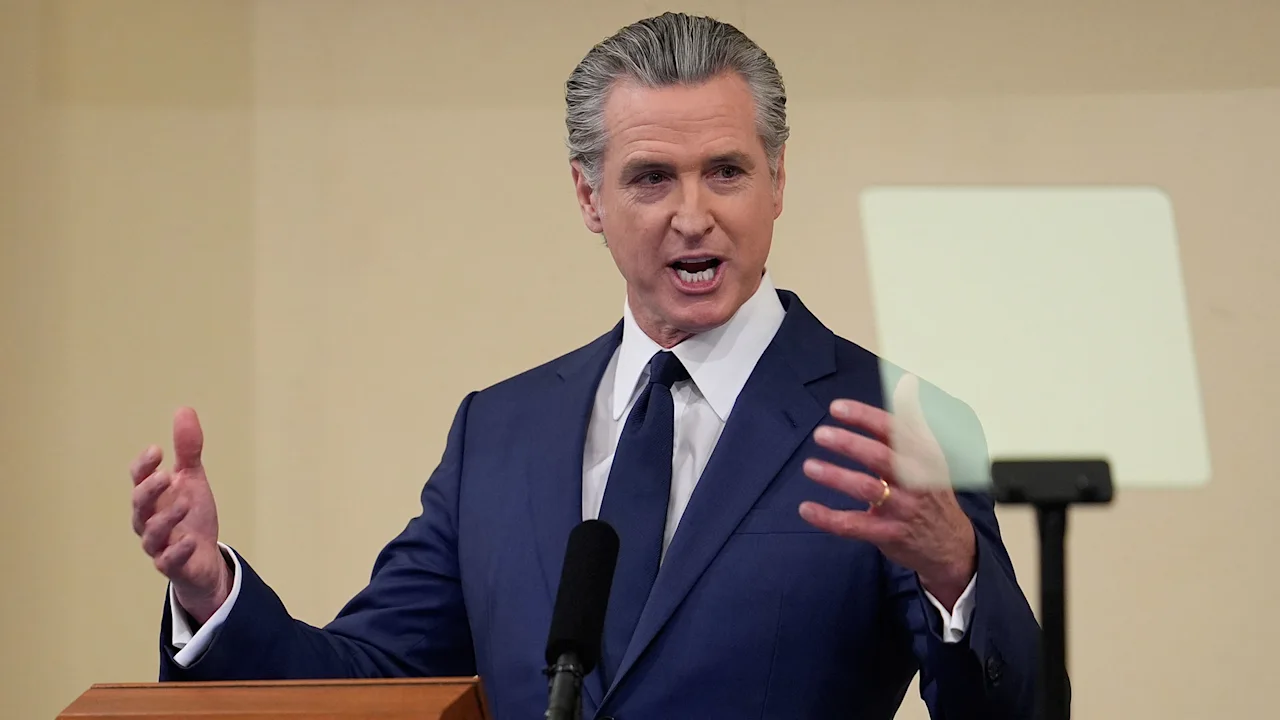
Governor Gavin Newsom finds himself in a uniquely precarious position. Publicly a progressive Democrat, he is orchestrating efforts behind the scenes to prevent this specific California billionaires tax from ever reaching voters. His rationale is pragmatic, not ideological.
- Economic Engine: Newsom views tax policy primarily through the lens of California’s competitiveness and stability. He consistently argues state-level wealth taxes create a dangerous disadvantage for the world’s fourth-largest economy, especially compared to states like Texas and Florida with zero state income tax (source).
- Fiscal Dependency: California’s nearly $350 billion state budget relies overwhelmingly on its top earners. Revenue statistics consistently show roughly 50% of personal income tax collections come from the top 1%. An exodus of even a small number of billionaires could cost state coffers hundreds of millions annually (source).
- Political Crossroads: Newsom’s rumored aspirations for national office add immense pressure.
- He’s simultaneously battling a significant (and fluctuating) state budget deficit (+/- $30 billion).
- Blocking the measure pre-ballot avoids forcing voters – and national Democratic primary voters – into a contentious choice directly conflicting with progressive ideals.
- As political scientist Jack Pitney noted, this tax debate “is one of the reasons why Newsom’s path to the Democratic nomination is not going to be an easy one,” highlighting the potential for policy backfire.
Democrats Divided: A Rift Over Revenue and Fairness
The proposal exposes a deep fissure within the Democratic Party, pitting its pragmatic center against its economically progressive wing. Governor Newsom finds himself isolated from prominent national figures.
- Progressive Champions: Vermont Senator Bernie Sanders endorsed the tax wholeheartedly, declaring “Our nation will not thrive when so few have so much while so many have so little” on social media. He urged other states to adopt similar measures. Democratic Congressman Ro Khanna, a potential 2028 rival to Newsom, dismissed billionaire relocation threats as self-serving melodrama, emphasizing the tax’s purpose of funding essential healthcare.
- **Labor


