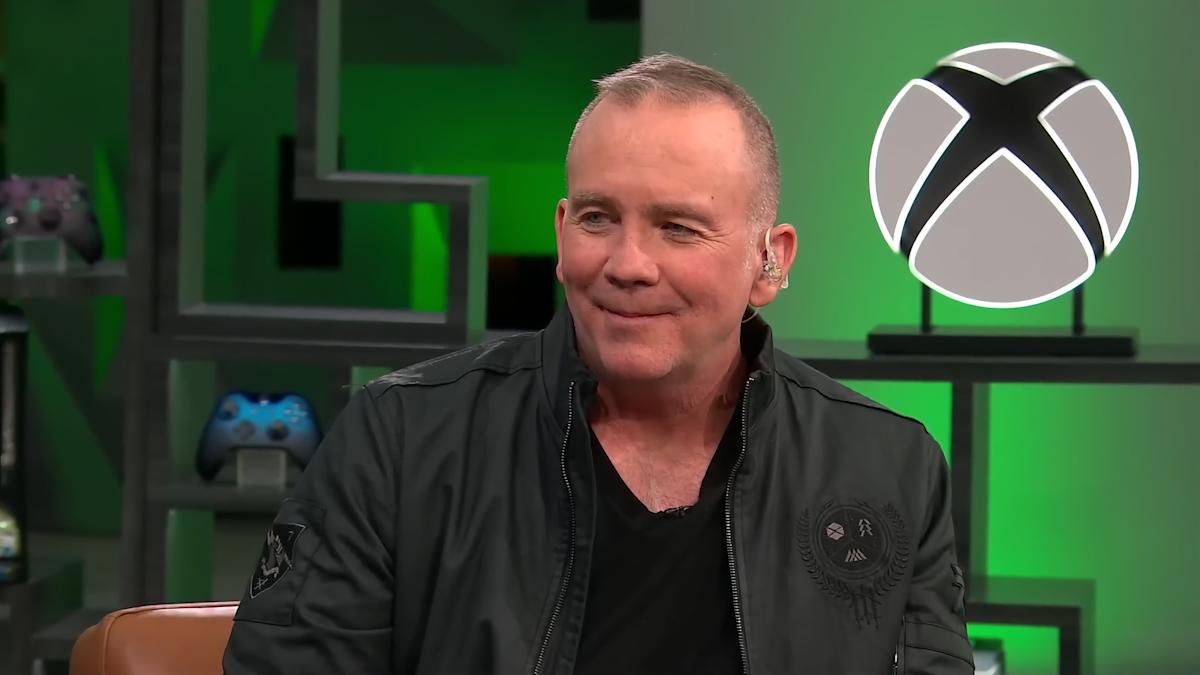

The Torch Passes at Bungie: Parsons Steps Down Amid Sony Integration and Studio Challenges
What happens when the architect of a legendary game studio’s independence hands over the reins in the midst of corporate assimilation, layoffs, and development struggles? The gaming world watched closely as Bungie, the iconic creator of Halo and Destiny, announced a seismic shift: CEO Pete Parsons is stepping down after more than two decades. Parsons, who steered Bungie through its split from Microsoft, a complex divorce from Activision, and a groundbreaking $3.6 billion acquisition by Sony, declared it the “right time for a new beginning.” Stepping into the role of Studio Head is Justin Truman, a seasoned leader intimately familiar with Bungie’s lifeblood – Destiny 2. This transition arrives at a critical juncture for Bungie, marked by integration pressures under Sony parent company PlayStation, significant 2024 layoffs, and development hurdles for the anticipated Marathon reboot. The departure signifies not just a change in personnel, but a potential turning point for Bungie’s culture, independence, and future trajectory.
From Foundational Pillar to Curtain Call: The Leadership Transition
Parsons announced his departure via a heartfelt statement on Bungie’s official website. His narrative centered on legacy and succession:
“After more than two decades of helping build this incredible studio, establishing the Bungie Foundation and growing inspiring communities around our work, I have decided to pass the torch… Today marks the right time for a new beginning. The future of Bungie will be in the hands of a new generation of leaders, and I am thrilled to announce that Justin Truman will be stepping into leadership as Bungie’s new studio head.”
This carefully crafted message emphasizes continuity and confidence in Truman. Crucially, Parsons’ new role and plans were not specified, leaving the spotlight firmly on Truman’s immediate ascent. Truman, previously serving as General Manager for Destiny 2 and Chief Development Officer, brings deep operational experience within the live-service model that defines Bungie’s current output. His internal promotion signals a commitment to maintaining core studio expertise while navigating the new corporate landscape.
Parsons’ Legacy: Architect of Independence… and Acquisition (The Defining Era)
To understand the magnitude of this leadership shuffle, examining Parsons’ consequential tenure is vital. He wasn’t always the CEO but rose to lead Bungie during periods of profound transformation. His leadership defined key pillars of modern Bungie:
- Breaking Chains: The Activision Split: Parsons played a central role in Bungie’s high-stakes decision to end its long-term publishing deal with Activision in 2019. This bold move granted Bungie full control over the Destiny franchise, its most valuable asset. While securing creative and publishing freedom, it also placed immense pressure on Bungie to self-publish successfully – a complex feat in the demanding live-service space. (Wikipedia: Destiny Development History).
- The Sony Gambit: Independence within a Giant: Perhaps the most defining moment of Parsons’ later leadership was orchestrating Bungie’s $3.6 billion acquisition by Sony Interactive Entertainment in early 2022. This wasn’t pitched as a typical absorption. Instead, Parsons championed a vision of Bungie operating as an “independent subsidiary” within Sony, poised to bolster PlayStation’s live-service ambitions while maintaining its unique culture and multiplatform approach for Destiny. Crucially, the deal gave Sony access to Bungie’s renowned technical and design expertise in persistent online worlds.
- Building the Brand and Community: Beyond deals, Parsons oversaw the growth of Destiny into one of gaming’s premier live-service franchises. He emphasized community engagement and established the Bungie Foundation, fostering the studio’s identity beyond just game development.
Parsons’ Key Leadership Decisions & Outcomes:
| Period | Key Decision/Action | Intended Outcome | Major Challenge/Risk |
| :—————– | :————————— | :—————————————– | :———————————————————————————– |
| Post-Actisplit (2019) | Assume full Destiny Publishing | Creative Freedom, Higher Profit Share | Operational Burden of Self-Publishing; Retaining Players Post-Split |
| Sony Acquisition (2022) | Become “Independent Subsidiary” | Resources for New IP; Amplify Sony Live-Service | Maintaining Culture, Multiplatform Strategy; Delivering on Sony’s Investment |
| Post-Acquisition | Drive Expansion & New IP (Marathon) | Diversify Beyond Destiny; Fill Sony Pipeline | Integration Pressures; Meeting Ambitious Growth Targets |
Turbulence Under the Playstation Umbrella: Layoffs and Marathon’s Stumble
Despite Parsons’ efforts to secure Bungie’s future, the reality under Sony ownership has proven challenging. The much-vaunted independence offered no shield against harsh economic headwinds hitting the tech and gaming sectors:
- The 2024 Layoffs: In October 2023, Bungie laid off approximately 220 employees, representing roughly 8% of its workforce. This was a significant and painful event, impacting morale and highlighting intense pressure from Sony to meet ambitious financial targets after the massive acquisition cost. Reports suggested Sony was scrutinizing Bungie’s performance closely due to Destiny 2 revenue falling below projections.
- *Marathon* Hits a Wall: Marathon, Bungie’s high-profile reboot aiming to be a sci-fi PvP extraction shooter, suffered a major setback in April 2024. The project was reportedly delayed indefinitely following internal concerns about its quality and direction. Later revelations cast an even darker shadow: an external audit discovered that the pre-alpha version contained stolen art assets**. This scandal not only delayed the game significantly but also damaged internal credibility and cast doubt on project management oversight.
These events painted a picture of a studio straining under the weight of its ambitions and external expectations, creating a fraught environment just as the leadership transition was likely being contemplated.
Justin Truman: The Destiny Steward Takes Command
The selection of Justin Truman as Parsons’ successor is highly strategic. Truman isn’t an external hire; he’s a known quantity with deep roots in Bungie’s current success engine:
- Destiny 2 Provenance: As General Manager for Destiny 2 and Chief Development Officer, Truman has been instrumental in the day-to-day operation and long-term strategy of Bungie’s flagship franchise. He understands the intricacies of:
- Maintaining a live-service behemoth over a 7+ year lifecycle.
- Navigating seasonal content drops, expansions, and balancing player acquisition/retention.
- Managing complex community expectations and feedback pipelines.
- Focus on Core Operations: His role as CDO involved overseeing development processes across projects. This positions him well to potentially streamline operations and improve efficiency, crucial after the setbacks with Marathon.
- Stabilization Mandate? Truman’s immediate focus will undoubtedly be stabilizing the studio. Key priorities likely include:
- Restoring internal morale post-layoffs.
- Getting Marathon development back on a credible and ethical track.
- Ensuring Destiny 2: The Final Shape launches successfully in 2025, revitalizing the franchise.
- Managing the increasingly complex relationship with Sony.
Truman represents continuity and deep operational knowledge, especially of Destiny, which is now more critical than ever to Bungie’s immediate health. He is the Destiny leadership.
Tightening the Connection: The Sony Integration Reality
Truman’s leadership begins as Bungie’s relationship with Sony undergoes a fundamental shift, moving beyond the initial promises of autonomy. Comments from Sony executives signal a deeper integration process:
- The CFO’s Candid Remarks: During a recent Sony Group earnings call, CFO Lin Tao delivered a crucial piece of foreshadowing: “Bungie is going to be less independent in the future,” Tao stated, adding that the studio would eventually “become part of PlayStation Studios”. (Source: PC Gamer report on Sony earnings).
- End of the “Independent Subsidiary” Era? Tao’s statement directly contradicts the original messaging around the acquisition, which emphasized Bungie’s continued independence within Sony. This signals a clear strategic pivot, likely driven by financial pressures and the need for tighter oversight after the missed targets and Marathon issues. Integration implies:
- Greater alignment with PlayStation Studios’ overall strategy and portfolio.
- Potential streamlining of operations and resource sharing.
- Reduced decision-making autonomy for Bungie management.
- A realignment potentially affecting Bungie’s multiplatform stance longer-term (though Destiny is confirmed to remain multiplatform for now).
- The Live-Service Pressure Cooker: Sony invested heavily in Bungie explicitly to turbocharge its own live-service game ambitions. With several PlayStation Studios live-service projects reportedly canceled or rebooted, the pressure on Bungie – now potentially under closer PlayStation Studios direction – to deliver hits (Marathon) and maintain their crown jewel (Destiny 2) is immense. Truman must navigate this expectation under increased scrutiny.
Conclusion: A New Chapter Amid Uncertainty and Integration
Pete Parsons’ departure marks the end of an era defined by the audacious pursuit of independence and a blockbuster acquisition. His legacy includes monumental achievements in securing Bungie’s autonomy (twice over) and building the Destiny empire. However, he passes the torch to Justin Truman at a time fraught with significant challenges: the aftermath of painful layoffs, a flagship new IP mired in scandal and delay, and the tangible evaporation of the promised “independent subsidiary” status under Sony. Truman, the foundational Destiny 2 leader, faces a Herculean task: stabilize operations, deliver critically on The Final Shape, successfully reboot Marathon, and navigate Bungie’s absorption into the PlayStation Studios apparatus, all while preserving the unique culture and talent that made Bungie a legend. The “new beginning” Parsons spoke of is indeed upon us, but its trajectory hinges on whether Truman can steer Bungie through this storm of transition, integration, and intense pressure. Does Truman hold the key to preserving Bungie’s soul within the PlayStation empire? The gaming world awaits the next guardian’s first moves. What are your thoughts on Bungie’s future under Justin Truman and Sony? Share your perspectives below!
Sources & Further Reading:
Original article at www.engadget.com


