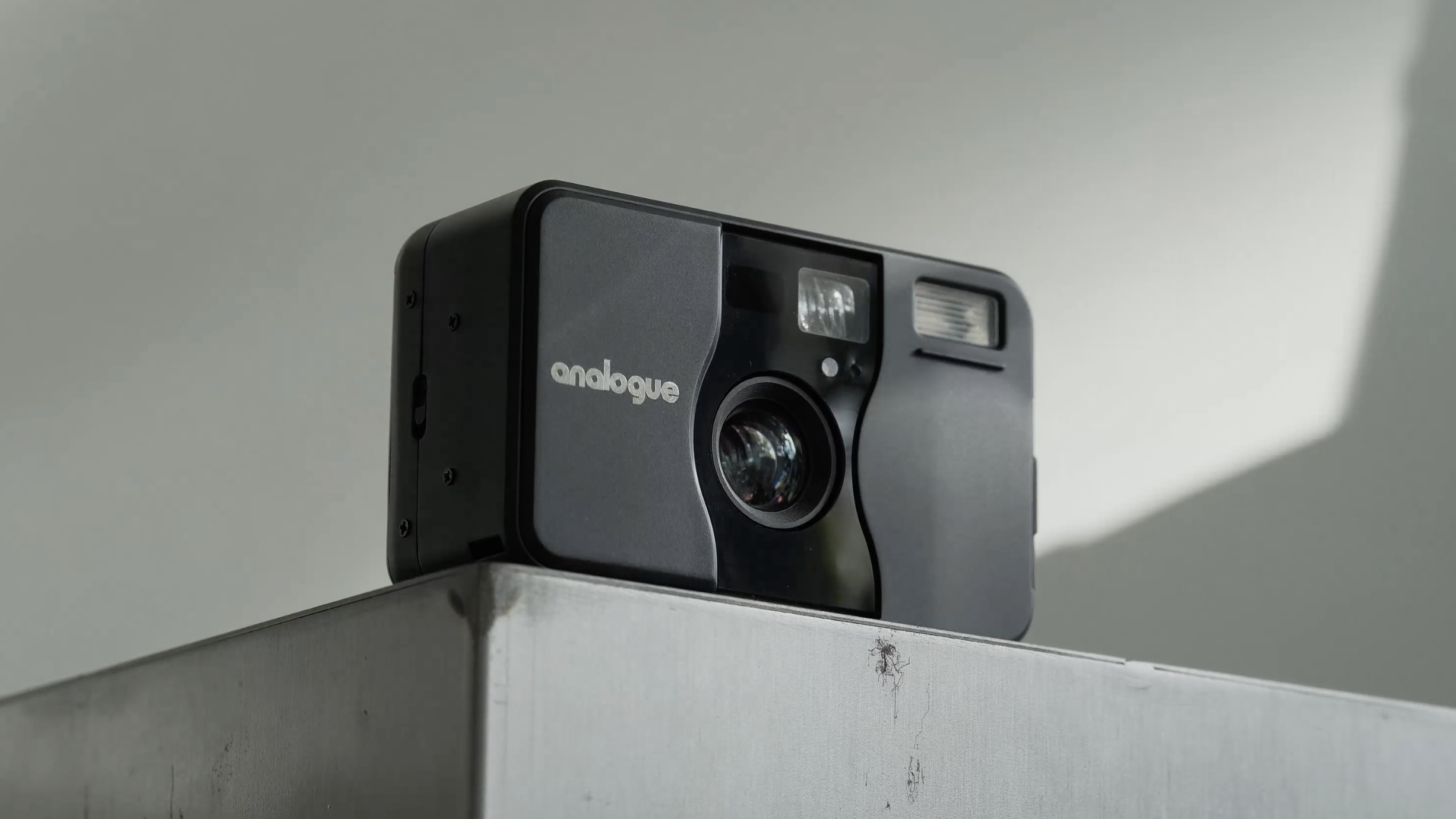

Is the Analogue aF-1 the Ultimate Modern 35mm Film Camera?
With film photography experiencing a significant resurgence, are manufacturers keeping up with consumer demand? The market has seen a flurry of new point-and-shoot film cameras in recent years, ranging from budget-friendly options to high-end reimaginings of classic models. Now, a new contender has entered the arena: the Analogue aF-1, a meticulously designed 35mm film camera promising a blend of vintage charm and modern technology. This article will delve into the aF-1’s features, design, and potential impact on the evolving world of film photography.
The Rebirth of Film Photography and the Rise of New Cameras
The digital age seemingly rendered film cameras obsolete, but a counter-movement has been steadily gaining momentum. The unique aesthetic, tactile experience, and deliberate process of film photography have drawn in a new generation of enthusiasts alongside seasoned veterans. This resurgence has fueled demand for both vintage cameras and newly manufactured models. Cameras like the Kodak Ektar H35 (offering a budget-friendly entry point with its half-frame format), Pentax 17, and the Rollei 35 AF (a premium take on a classic) all cater to this demand, but the Analogue aF-1 aims to carve its own niche by offering a compelling combination of features and value.
Analogue aF-1: A Deep Dive into Features and Design
The Analogue aF-1 is the brainchild of Analogue, a respected camera shop and community hub located in Amsterdam. This camera is more than just a rehash of an old design; it’s a completely new creation built from the ground up with modern photographers in mind.
Classic Aesthetics with a Modern Twist
One of the first things that grabs attention is the aF-1’s design. The sliding lens cover evokes a sense of nostalgia, reminiscent of the beloved Olympus Mju series. This functional design element not only protects the lens but also contributes to the camera’s sleek and portable form factor. While described as “a little blocky,” its overall aesthetic leans towards a minimalist, functional beauty.
Key Specifications and Features: A Closer Look
The Analogue aF-1 boasts an impressive list of specifications and features that set it apart from its competitors:
- Lens: 35mm f/2.8 “Renaisson” lens (6 elements). This focal length is versatile for a wide range of subjects, from landscapes to portraits. The f/2.8 aperture allows for decent low-light performance and a shallow depth of field for creative blurring of backgrounds.
- Autofocus: LiDAR Autofocus with a range of 0.5m to infinity. This is a game-changer in the point-and-shoot film camera world. LiDAR (Light Detection and Ranging) technology uses lasers to accurately measure distances, resulting in fast and reliable autofocus, even in challenging lighting conditions. This contrasts sharply with older, often unreliable autofocus systems in vintage cameras.
- Why is LiDAR autofocus important? Traditional autofocus systems rely on contrast detection, which can struggle in low light or with subjects lacking distinct contrast. LiDAR, on the other hand, actively measures distance, providing superior accuracy and speed.
- Flash: Built-in GN8-rated flash with a 0.5-second recycle time. A guide number of 8 is a respectable output for a built-in flash, offering sufficient illumination for close-range subjects. The rapid recycle time ensures that you’re ready for the next shot quickly.
- Shutter Speed: 4 seconds to 1/1000 second. This wide shutter speed range provides exceptional versatility, allowing you to capture motion blur, create long exposures in low light, and freeze fast-moving subjects in bright conditions. This is a significant advantage over many other compact 35mm film cameras that often have limited shutter speed ranges.
- Exposure: Auto Exposure. The aF-1 automatically adjusts aperture and shutter speed to achieve optimal exposure, simplifying the shooting process and ensuring properly exposed photos.
- Viewfinder: Reverse Galilean viewfinder. This simple viewfinder provides a clear view of the scene, although it lacks the precision of more advanced viewfinders.
- Film Handling: Auto film loading and rewind. These features streamline the film handling process, making it easy for beginners to use the camera.
- Price: €449 / £399 (approximately $550 / AU$800). While not the cheapest option, the aF-1’s price point positions it as a mid-range offering, balancing features and affordability.
Comparing the Analogue aF-1 to Competitors
To better understand the aF-1’s position in the market, let’s compare it to some of its competitors:
| Feature | Analogue aF-1 | Kodak Ektar H35 | Pentax 17 | Rollei 35 AF |
|---|---|---|---|---|
| Lens | 35mm f/2.8 | 22mm f/9.5 | 25mm f/3.5 | 35mm f/2.8 |
| Autofocus | LiDAR | Fixed Focus | Zone Focus | Autofocus |
| Flash | GN8 | Built-in | Built-in | Built-in |
| Shutter Speed | 4s – 1/1000s | 1/100s | 4s – 1/350s | Not Specified |
| Film Handling | Auto Load/Rewind | Manual | Auto Load/Rewind | Manual |
| Price (Approx.) | $550 | $50 | $499 | $1,299 |
| Key Advantages | LiDAR AF, Shutter Speed Range | Price, Half-Frame | Wide Aperture Range | Brand Reputation, Build |
| Key Disadvantages | Price, Availability | Fixed Focus, Lens Quality | Price, Zone Focus | Price |
This table highlights the aF-1’s strengths, particularly its advanced autofocus system and versatile shutter speed range. While it’s more expensive than the Kodak Ektar H35, it offers significantly more features and control. Compared to the Pentax 17, the aF-1 boasts a superior autofocus system. The Rollei 35 AF is considerably more expensive.
The “Renaisson” Lens: Sharpness and Performance
The aF-1’s 35mm f/2.8 “Renaisson” lens, comprised of six elements, is designed for sharpness and clarity. While the design is not revolutionary, it’s optimized for capturing detail, particularly in close-up portraits. The makers of the aF-1 are confident in the lens’s ability to produce impressive results, especially when paired with popular film stocks like Kodak Gold 200.
Real-World Performance and Expected Delivery
Analogue has released sample images taken with the aF-1, showcasing its potential for capturing beautiful and well-exposed photographs. The combination of the sharp lens, accurate autofocus, and reliable exposure system suggests that the aF-1 will be a capable tool for both casual shooters and more experienced film photographers. Pre-orders are currently open, with the first deliveries projected to begin in Q1 2026. This long lead time reflects the complexities of designing and manufacturing a new film camera in the current market.
Conclusion: A Promising New Entry in the Film Camera Market
The Analogue aF-1 is an exciting addition to the growing market of new 35mm film cameras. Its combination of classic aesthetics, modern features, and a reasonable price point makes it an attractive option for film enthusiasts of all levels. The standout feature is undoubtedly the LiDAR autofocus, which promises to deliver accurate and reliable performance in a variety of shooting situations. While the projected delivery date is still some time away, the Analogue aF-1 has already generated considerable buzz and anticipation within the film photography community.
What do you think about the Analogue aF-1? Is it the perfect modern point-and-shoot film camera? Let us know your thoughts in the comments below!
Sources & Further Reading:
Original article at www.techradar.com


