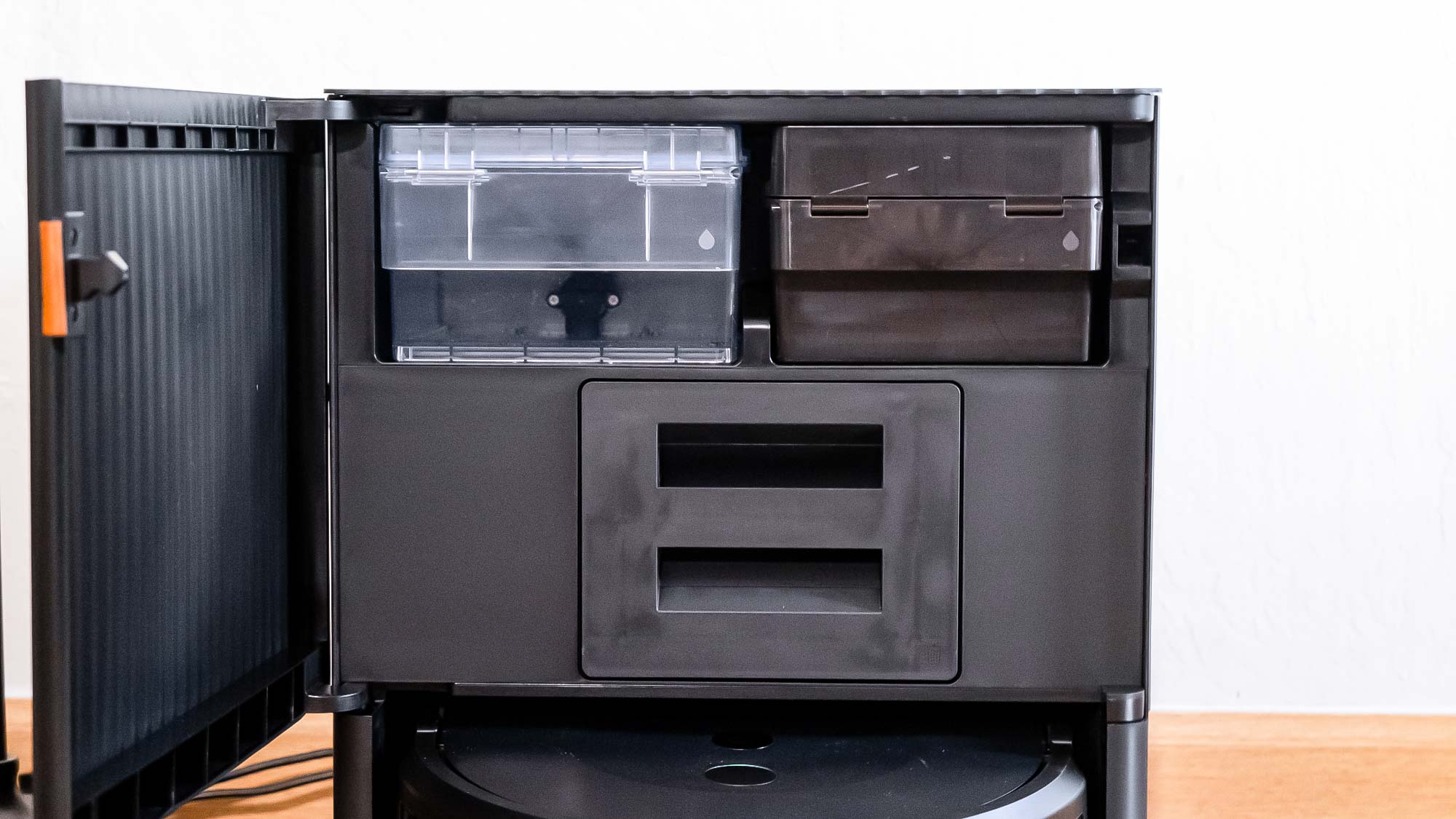

Robot Mops Leaving Streaks? The Unseen Culprits Sabotaging Your Sparkling Floors
Synthetic hard flooring covers over [60% of U.S. homes](https://www.nahb.org/blog/2022/03/flooring-trends-whats-hot-in-tile-hardwood-carpet-and-more#:~:text=Hard%20surface%20flooring%20has%20dominated,to%20realtor.com%20(2021), but keeping it immaculate feels like a never-ending battle. You invested in one of those nifty robot mops promising liberation from damp knees and grimy grout. Yet instead of gleaming floors, you’re greeted by streaks, muddy smears, and the aggravation of a bot that seemingly makes things worse. This frustration isn’t a sign your gadget is doomed – it’s often preventable maintenance neglect. Understanding why streaks happen and how to fix them is crucial to unlocking real automation magic.
Why Your Robot Mop Isn’t Living Up to the Hype
Streaks and dirty residue defeat the entire purpose of automated cleaning. While manufacturers tout effortless spotlessness, the reality hinges on correct operation. Common complaints include:
- Watery trails: Caused by incorrect solution dosing or dirty pads.
- Gritty smears: Result from unvacuumed debris mixing with water.
- Film buildup: Using harsh chemicals leaves sticky residue.
A Consumer Reports survey found improper maintenance is the #1 reason for diminished robot mop performance. The solution? Addressing these four critical factors.
The Chemical Conundrum: Why Generic Cleaners Are Your Robot’s Nemesis
That tempting pine-scented floor cleaner you love? It’s likely a puppy-killing menace for your robot. Commercial cleaners pose dual threats:
- Appliance Damage: Harsh detergents corrode internal tubing, pumps, and sensors. Brands like iRobot explicitly warn against using solutions not formulated for their bots’ wet modules.
- Floor Damage: Residual chemicals degrade hardwood sealants and leave cloudy films on tile and vinyl. The wrong pH balance can even etch stone.
The Fix:
- Use only manufacturer-approved cleaning solutions. Brands like Roborock, Ecovacs, and iRobot design formulas to avoid residue and protect machinery.
- Dilute precisely as instructed – over-concentration guarantees streaks.
- Distilled water prevents mineral buildup in tanks and pumps.
Sweep Before You Swab: The Non-Negotiable Dry Pass
Mopping over dust bunnies is like washing your car in a sandstorm – it grinds grit into surfaces. Robot mops lack the pressure of manual scrubbing. Dry debris gets trapped under pads, creating muddy streaks as the bot travels. Hybrid models (like Roborock S7 MaxV Ultra) automate vacuuming-first, but older or dedicated mop units require manual sequencing.
The Fix:
- Run a full vacuum cycle before engaging the mop function.
- Set boundaries: Use no-mop zones in apps for excessively cluttered areas.
- Optimize schedules: Vacuum high-traffic zones daily; mop 2-3 times weekly.
The Pad Predicament: Dirty Cloths Equal Dirty Floors
Would you wipe your kitchen counter with yesterday’s dishrag? Reusing mop pads spreads grime instead of removing it. Trapped particles in fibers redeposit filth with every pass. Disposable pads lose absorbency; reusable pads harbor bacteria.
Pad Maintenance Essentials
| Pad Type | Care Method | Replacement Frequency |
|---|---|---|
| Reusable (Microfiber) | Machine wash hot (60°C/140°F). NO fabric softener (causes residue & reduces absorption). Air dry. | Every 6-12 months |
| Disposable | Discard immediately after use. | Per cleaning session |
| Self-Cleaning Base (e.g., Deebot X2 Omni) | Station cleans pads after cycles. Deep clean bins monthly. | Replace annually |
Pro Tip: For stubborn stains, hand-scrub pads with vinegar-water solution.
Sustaining Peak Performance: More Than Just Emptying the Bin
Neglecting routine upkeep turns your precision cleaner into a maintenance nightmare. Silty water tanks harbor mold; clogged sensors cause navigation errors; residual sludge in bins drips onto floors during mopping. Newer models auto-clean docks, but human oversight remains vital.
Proactive Maintenance Checklist:
- Post-Mop: Empty and rinse dirty water tanks daily.
- Wipe Down: Dry bin interiors, sensors, and charging contacts weekly with a microfiber cloth.
- Sensor Scrub: Clean cliff sensors and cameras monthly with isopropyl alcohol.
- Deep Clean: Disassemble and soak removable parts (tanks, pads) quarterly.
- Software Updates: Install firmware upgrades – they often optimize water flow.
The Tech Horizon: New innovations mitigate common frustrations. Roborock’s VibraRise oscillating mop pads scrub 30% harder (Source). iRobot’s PerfectFill stations pre-mix solutions precisely. Future models may integrate AI soil detection to auto-adjust pad pressure and solution levels.
From Streaky Mess to Effortless Gleam
Reviving your underperforming robot mop boils down to discipline, not dollars. By matching solutions to your machine, prioritizing dry debris removal, keeping pads pristine, and committing to regular maintenance, streaks vanish and cleaning efficiency soars. Automation promises freedom – but even smart devices need smarter guardianship. Tell us: What’s your battle-tested trick for keeping robot-mopped floors flawless? Share your hacks below!


