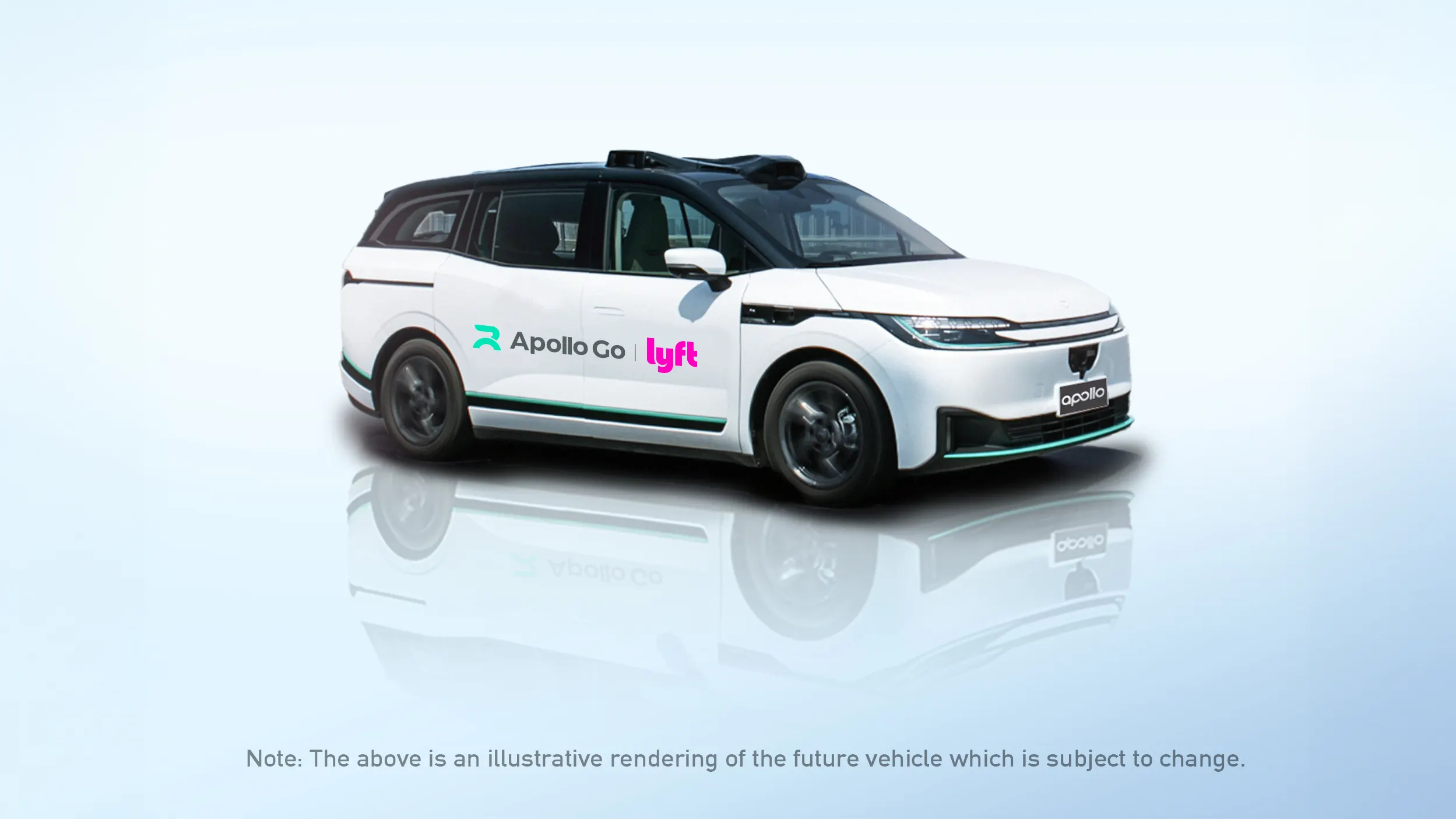

The Future of Ride-Sharing: Will Chinese Driverless Cars Soon Navigate European Streets?
Imagine hailing a ride and a car arrives with no driver. By 2030, experts predict the European autonomous vehicle market could be worth $50 billion. The race to capture this market is heating up, and the latest development is turning heads. Lyft, in a strategic partnership with Baidu, is poised to deploy thousands of Chinese driverless cars in Germany and the UK by 2026. This move signals a significant shift in the competitive landscape, potentially disrupting established players and reshaping how we perceive the future of transportation. How will this transatlantic collaboration impact the European market and the development of autonomous vehicle technology?
Lyft and Baidu Join Forces: A New Era for Autonomous Vehicles in Europe
Lyft’s collaboration with Baidu marks the entrance of Chinese autonomous driving technology into Western markets on a grand scale. This partnership aims to integrate Baidu’s Apollo Go vehicles into Lyft’s ride-hailing platform, initially targeting Germany and the UK, with plans to expand across Europe.
Strategic Market Entry and Timing
Lyft’s acquisition of the European ride-hailing app FREENOW from BMW and Mercedes-Benz for $200 million provided immediate access to operations in 180 cities across nine European countries. This acquisition laid the groundwork for the robotaxi deployment, giving Lyft a significant head start in terms of infrastructure and market presence.
Prioritizing Germany and the UK stems from FREENOW’s established presence in these countries, allowing Lyft to leverage existing relationships with local regulators and taxi operators. This strategic move is further bolstered by favorable regulatory developments in Europe. The UK has already implemented legislation potentially allowing autonomous vehicles on public roads by 2026, while Germany’s framework targets commercial operations around the same time. Germany even has a roadmap for autonomous public transport by 2027 and fully integrated systems by 2030.
Baidu’s Ambitious Global Expansion
For Baidu, the Lyft partnership represents the next phase in an aggressive global expansion strategy. They are already working with Uber to deploy autonomous vehicles outside of the US and mainland China, with a focus on the Middle East and Asia.
Baidu’s Apollo Go platform brings operational experience to the table, having completed 1.1 million rides in Q4 2024 alone, covering 130 million autonomous kilometers across various Chinese cities. This proven track record suggests a robust technological foundation for international deployment.
Technical Capabilities and Scalability of Chinese Driverless Cars
A key advantage for Baidu lies in the cost-effectiveness of its technology. The sixth-generation Apollo Go vehicles, specifically the RT6 model, cost less than $30,000 to manufacture. This lower cost structure enables Baidu to scale operations efficiently, potentially offering competitive pricing in the European market. The Apollo Go platform already operates over 1,000 autonomous vehicles in 15 Chinese cities, completing more than 11 million rides.
Here’s a comparison of some features of the Apollo Go platform:
| Feature | Description |
|---|---|
| Vehicle Model | RT6 (Sixth Generation) |
| Manufacturing Cost | Less than $30,000 |
| Operational Cities | 15 in China |
| Rides Completed | Over 11 million |
| Q4 2024 Rides | 1.1 million |
| Autonomous Kilometers | 130 million |
Competitive Landscape and the Race for European Dominance
The Lyft-Baidu partnership enters a competitive landscape already populated by established players and burgeoning collaborations. Uber has partnered with companies like Waymo, Pony.ai, WeRide, and Momenta, all gearing up for robotaxi deployment in Europe around the same 2026 timeframe. The lure is significant. Industry consulting estimates project Europe’s autonomous vehicle market could reach $50 billion by 2030, attracting considerable investment and partnership activity. Source: Statista
For Lyft, this partnership addresses a notable gap in autonomous vehicle technology. While Uber has aggressively pursued partnerships, Lyft is catching up, having announced plans to add autonomous shuttles made by the Austrian manufacturer Benteler Group to its network in late 2026.
Advantages and Disadvantages
The Lyft-Baidu partnership has both inherent advantages and potential disadvantages when compared to its competitors:
Advantages:
- Lower Vehicle Costs: Baidu’s RT6 has a relatively low manufacturing cost, offering competitive pricing potential.
- Extensive Operational Experience: Baidu has substantial experience with autonomous operations in complex urban environments in China.
- Established Infrastructure: Lyft’s acquisition of FREENOW provides immediate operational access.
Disadvantages:
- Regulatory Hurdles: European regulators have stringent data privacy and vehicle safety standards, which could delay deployment.
- Market Perception: Acceptance of Chinese technology in European markets may present challenges.
- Competition: The market is crowded with well-funded competitors like Waymo, backed by Google, and other Uber partners.
Navigating Technical Implementation, Safety, and Regulatory Challenges
The deployment hinges on Baidu’s advanced autonomous driving technology, which integrates lidar, radar, and cameras for urban navigation, all coordinated through Lyft’s app ecosystem for user booking and payments. Safety protocols honed in Chinese operations will inform the European strategy. Baidu’s November 2024 permit to test autonomous vehicles in Hong Kong marked its first foray into a right-hand drive market, offering valuable insights.
The partnership divides responsibilities: Lyft retains ownership of the operational marketplace, while Baidu provides vehicle supply, technology validation, and technical support.
Overcoming Regulatory Hurdles and Unique Operational Challenges
Despite the ambitious timelines, regulatory hurdles remain significant. European authorities have stringent standards for data privacy (e.g., GDPR) and vehicle safety that could impact deployment schedules. The approval process in both Germany and the UK will require extensive documentation of safety protocols and operational procedures.
Operational challenges specific to European markets may also emerge. English country lanes, cobbled Paris streets, or the chaos of Neapolitan traffic present unique challenges compared to the environments in which Baidu currently operates.
Impact on Urban Transportation and the Future of Mobility
This partnership has the potential to reshape urban transportation economics in Europe. Lower costs and enhanced efficiency could disrupt traditional taxi services and influence public transport usage.
For both companies, this collaboration is a strategic response to market pressures. Baidu faces increasing domestic competition and seeks international revenue diversification, while Lyft requires autonomous technology to compete with Uber’s expanding autonomous vehicle partnerships.
The 2026 deployment timeline puts both companies in direct competition with other major autonomous vehicle initiatives in Europe, setting the stage for a transformative period for urban mobility. The success of this partnership will depend not only on technological prowess but also on navigating complex regulatory frameworks, adapting to diverse urban environments, and ultimately, gaining public trust.
Conclusion: A Glimpse into the Autonomous Future
The collaboration between Lyft and Baidu represents a bold step towards the future of transportation in Europe. By introducing Chinese driverless cars to German and UK roads, this partnership has the potential to revolutionize urban mobility, challenge established players, and redefine the competitive landscape. While regulatory hurdles and operational challenges remain, the strategic timing, technological capabilities, and market entry strategy employed by Lyft and Baidu position them as key contenders in the race to dominate Europe’s emerging autonomous vehicle market. Only time will tell if Chinese technology will become a staple in European transportation.
What do you think? Will you be comfortable hailing a driverless car in Europe? Comment below!
Sources & Further Reading:
Original article at techwireasia.com


