
Is the Future of Warfare Unmanned? The Sikorsky U-Hawk Takes Flight
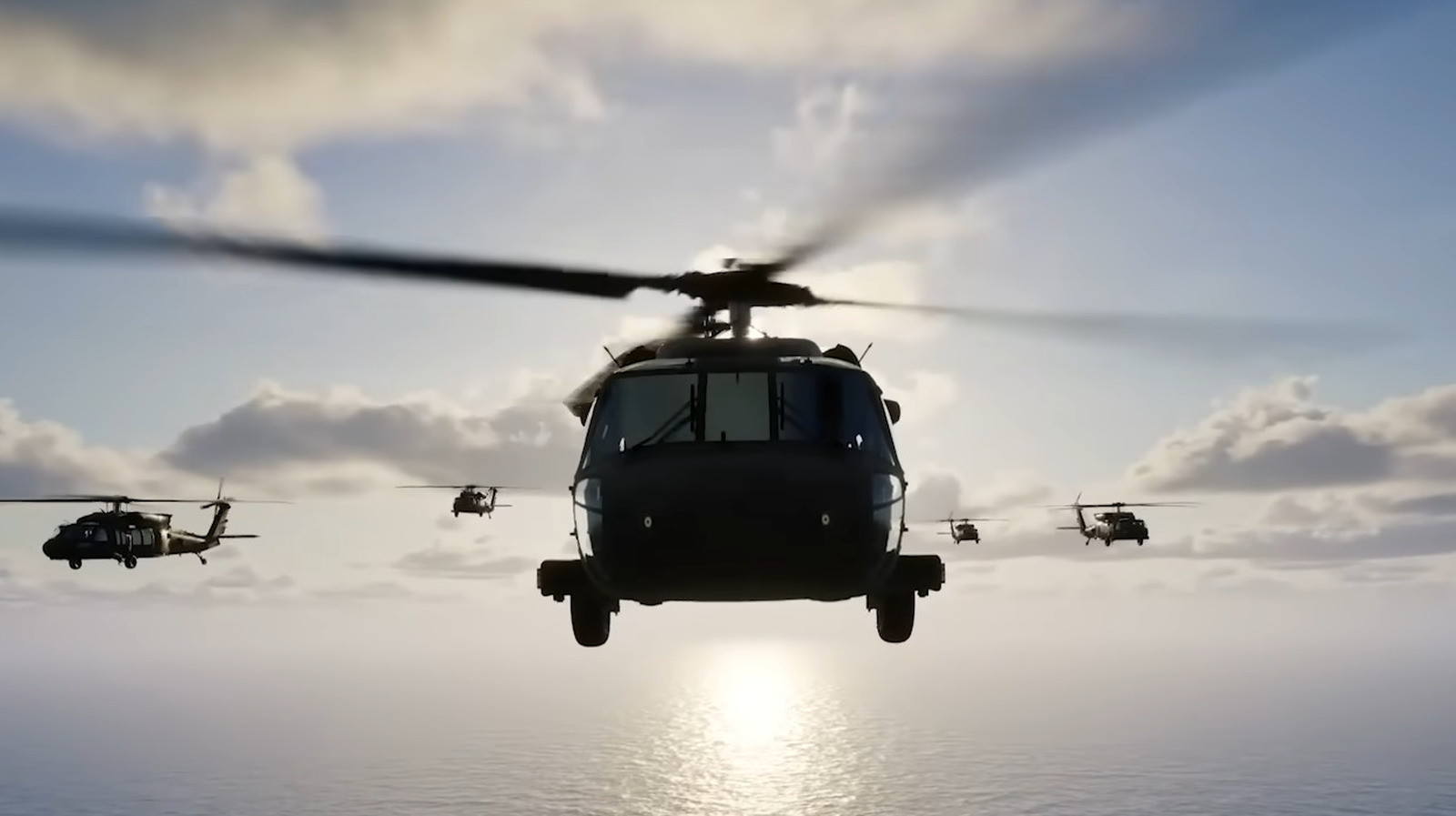
With over 5,000 UH-60 Black Hawk helicopters in operation globally, is there room for improvement? Sikorsky, a Lockheed Martin company, thinks so. They’re developing the U-Hawk, a fully autonomous variant of the legendary Black Hawk, poised to redefine battlefield logistics and mission capabilities. This uncrewed aerial system (UAS) could revolutionize how the military operates, offering increased cargo capacity, reduced risk to personnel, and unparalleled operational flexibility. The U-Hawk represents a significant leap forward in military technology, raising questions about the future of aerial warfare and the role of unmanned aircraft.
The Dawn of the Uncrewed Black Hawk: Introducing the U-Hawk
The U-Hawk, temporarily designated S-70UAS, is Sikorsky’s answer to the growing demand for unmanned aerial vehicles in modern warfare. This autonomous Black Hawk variant promises to be a true game-changer. Sikorsky’s bold claim for the U-Hawk is that it’s “Unpiloted. Uncrewed. Undaunted.” The removal of the traditional cockpit and crew not only eliminates the risk to human pilots in dangerous situations but also unlocks a host of new possibilities for the aircraft.
U-Hawk: Key Features and Capabilities
The U-Hawk boasts a range of impressive features and capabilities, setting it apart from its crewed predecessors:
- Increased Cargo Capacity: By eliminating the need for a pilot and crew, the U-Hawk offers 25% more cargo space, allowing it to transport vital supplies, equipment, and even advanced weaponry.
- Remote Control Operation: A single soldier on the ground can easily control the U-Hawk using a tablet, simplifying mission execution and reducing the need for specialized training.
- Autonomous Flight: The U-Hawk can fly independently or in formation with other aircraft, offering unprecedented flexibility in mission planning and execution.
- Long-Range Deployment: With a self-deployment range of 1,841 miles, the U-Hawk can rapidly deploy to distant locations without the need for in-flight refueling.
- Heavy Payload Capacity: The U-Hawk can carry up to 10,000 lbs of supplies, including a HIMARS rocket pod system, uncrewed ground vehicles, and other heavy equipment.
- High Commonality with UH-60: The U-Hawk shares 95% commonality with existing UH-60 Black Hawk helicopters, simplifying maintenance and reducing logistical burdens.
The rapid development timeline, with the concept-to-production phase taking only 10 months, highlights Sikorsky’s commitment to innovation and its ability to rapidly adapt to the evolving needs of the military. The planned first flight in 2026 could usher in a new era of unmanned aerial operations.
Why Automate a Proven Platform Like the Black Hawk?
The question arises: why invest in automating a platform as established and reliable as the UH-60 Black Hawk? After decades of service and countless successful missions, the Black Hawk has earned its place as a workhorse of the U.S. military. However, the shift towards unmanned systems offers several compelling advantages.
Reducing Risk and Enhancing Safety
One of the primary drivers behind the automation of the Black Hawk is the desire to reduce risk to human pilots. Combat operations are inherently dangerous, and placing pilots in harm’s way exposes them to significant risks. By removing the crew from the equation, the U-Hawk can operate in high-threat environments without endangering human lives.
Expanding Mission Capabilities
The U-Hawk’s increased cargo capacity and remote control capabilities open up new possibilities for military operations. It can be used to:
- Resupply troops in remote locations: The U-Hawk can deliver vital supplies, ammunition, and medical equipment to soldiers on the front lines, even in areas that are inaccessible to traditional aircraft.
- Conduct reconnaissance and surveillance: Equipped with advanced sensors and cameras, the U-Hawk can gather real-time intelligence on enemy positions, movements, and activities.
- Transport heavy equipment and weaponry: The U-Hawk can carry heavy payloads, such as HIMARS rocket pod systems and uncrewed ground vehicles, providing critical firepower and mobility to ground forces.
- Perform casualty evacuation: While current mockups don’t show seating, the U-Hawk’s cargo capacity could be adapted to carry wounded soldiers from the battlefield to medical facilities, providing rapid medical assistance.
The Future of Warfare: Embracing Unmanned Systems
The conflicts of the 21st century have demonstrated the increasing importance of unmanned systems in modern warfare. Drones and other unmanned vehicles have become integral to reconnaissance, surveillance, and even combat operations. The U-Hawk represents the next step in this evolution, offering a versatile and capable platform that can be adapted to a wide range of missions.
Examining the Potential Impact of the U-Hawk
The introduction of the U-Hawk could have a profound impact on military operations and the future of aerial warfare.
- Increased Efficiency: By automating tasks and reducing the need for human intervention, the U-Hawk can improve operational efficiency and reduce costs.
- Enhanced Situational Awareness: The U-Hawk’s advanced sensors and communication capabilities can provide commanders with a more comprehensive understanding of the battlefield, enabling them to make better-informed decisions.
- Greater Flexibility: The U-Hawk can be rapidly deployed to a variety of locations and adapted to different mission requirements, providing commanders with a highly flexible and responsive asset.
- Reduced Casualties: By removing pilots from harm’s way, the U-Hawk can help to reduce casualties and protect the lives of service members.
Addressing Potential Concerns
While the U-Hawk offers many potential benefits, it’s also important to address potential concerns:
- Ethical Considerations: The use of autonomous weapons systems raises ethical questions about accountability and the potential for unintended consequences. Further discussion and regulations are needed to ensure responsible use.
- Cybersecurity Risks: The U-Hawk’s reliance on software and communication networks makes it vulnerable to cyberattacks. Robust cybersecurity measures are essential to protect the aircraft from hacking and manipulation.
- Dependence on Technology: Over-reliance on unmanned systems could create vulnerabilities if technology fails or is compromised. Maintaining a balance between manned and unmanned systems is crucial.
U-Hawk: A Paradigm Shift in Military Aviation
The Sikorsky U-Hawk represents a significant advancement in military aviation, offering increased cargo capacity, reduced risk to personnel, and unparalleled operational flexibility. Its ability to operate autonomously, carry heavy payloads, and be controlled remotely by a single soldier makes it a versatile and powerful asset for the modern military. While ethical considerations and cybersecurity risks must be addressed, the U-Hawk has the potential to revolutionize how the military operates and reshape the future of aerial warfare.
What do you think about the U-Hawk? Will unmanned systems become the norm in future military operations? Share your thoughts in the comments below!
Sources & Further Reading:
Original article at www.slashgear.com


