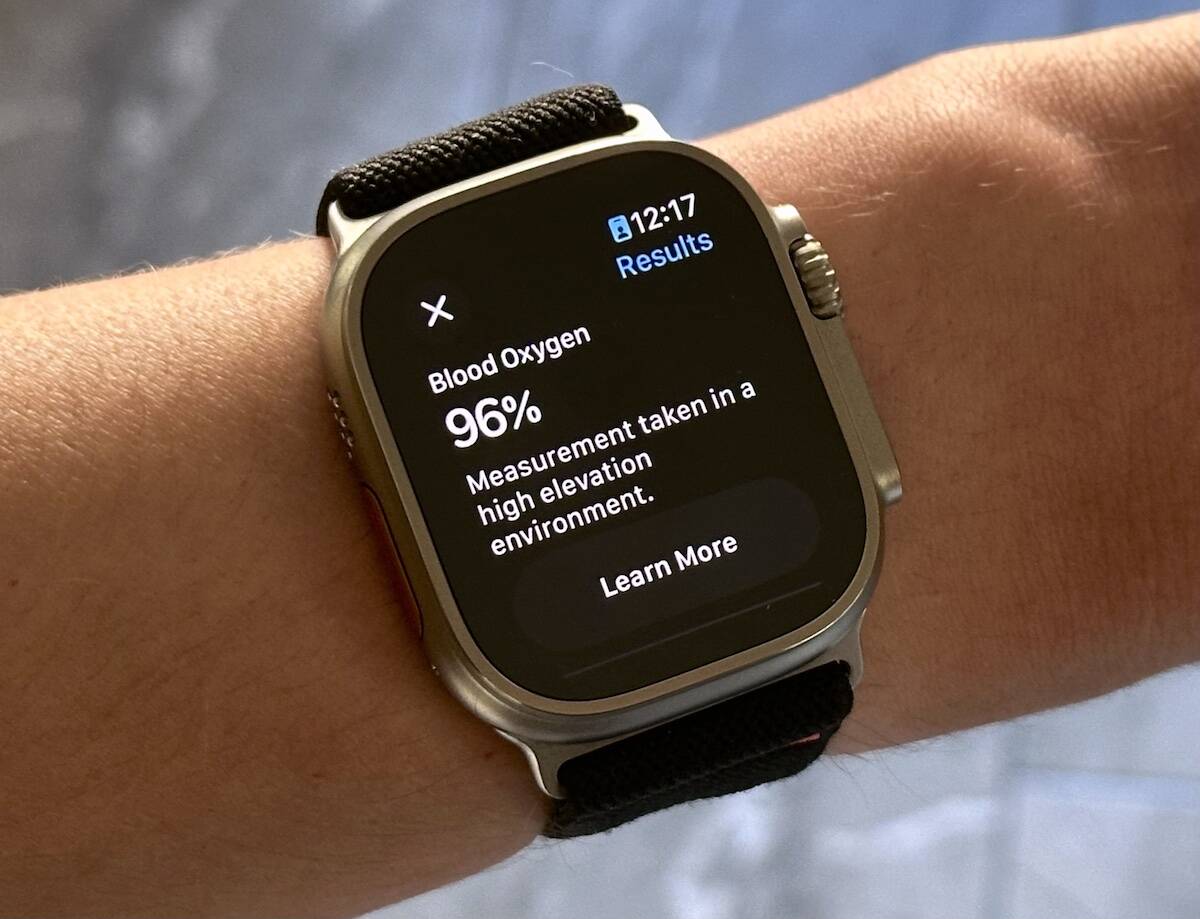

Apple Watch Blood Oxygen Feature Returns: What You Need to Know
Did you know the Apple Watch’s blood oxygen feature was temporarily removed? After a patent dispute, Apple is bringing back a redesigned version of its blood oxygen measurement capability to select Apple Watch models in the US. This is big news for users who rely on the Apple Watch for wellness tracking, but it also raises questions about accuracy, utility, and the ongoing legal battle surrounding the technology. This article delves into the details of the update, the reasons behind the initial removal, and the potential impact on users.
The Return of Blood Oxygen Monitoring on Apple Watch
Apple is rolling out a software update to reimplement the blood oxygen feature, also known as pulse oximetry, on certain US Apple Watch models. This update, delivered via iOS 18.6.1 and watchOS 11.6.1, affects Apple Watch Series 9, Series 10, and Apple Watch Ultra 2 devices. However, there’s a significant catch: the implementation is different from the original.
- Affected Models: Apple Watch Series 9, Series 10, and Apple Watch Ultra 2 purchased in the US on or after January 18, 2024, with part numbers ending in LW/A.
- Software Versions: iOS 18.6.1 and watchOS 11.6.1
- Unaffected Models: Apple Watch models purchased with the original blood oxygen feature (before deactivation) and those purchased outside the US.
Redesigned Functionality: How It Works Now
The most notable change is that the blood oxygen data analysis is no longer performed directly on the Apple Watch itself. Instead, the watch captures the data, but the processing and analysis are now handled by the paired iPhone. Users can then view the results within the iPhone’s Health app.
“For models of Apple Watch purchased in the United States on or after January 18, 2024 with part numbers ending in LW/A, the Blood Oxygen data analysis is performed on iPhone, and results can be viewed in the [iPhone’s] Health app,” Apple’s documentation explains. “This experience is available on the latest version of iOS and watchOS.”
This shift in processing location is a key element of Apple’s workaround to address the patent infringement issue.
The Patent Dispute: Masimo vs. Apple
The initial removal of the blood oxygen feature stemmed from a patent infringement lawsuit filed by Masimo, a California-based medical device maker. Masimo claimed that Apple’s blood oxygen measurement technology violated patents held by the company. The International Trade Commission (ITC) sided with Masimo, issuing an import ban on Apple Watches with the infringing technology in January 2024.
This import ban forced Apple to temporarily halt sales of affected Apple Watch models and remove the blood oxygen feature via a software update. The current redesigned implementation is Apple’s attempt to circumvent the ITC ruling and reinstate the functionality without infringing on Masimo’s patents.
What is Pulse Oximetry and Why Is It Important?
Pulse oximetry is a non-invasive method of measuring blood oxygen saturation levels (SpO2). It works by shining light through the skin and measuring the amount of light absorbed by the blood. The percentage of oxygen saturation indicates how much oxygen is being carried in the red blood cells.
According to Johns Hopkins Medicine, pulse oximetry can be valuable for assessing individuals with conditions affecting blood oxygen levels, such as:
- Heart conditions (e.g., heart attacks, heart failure)
- Lung conditions (e.g., asthma, chronic obstructive pulmonary disease – COPD)
- Sleep apnea
- COVID-19
The demand for pulse oximeters surged during the COVID-19 pandemic, as monitoring blood oxygen levels became crucial for identifying and managing respiratory distress.
Accuracy and Utility: Is the Apple Watch Blood Oxygen Feature Reliable?
While the Apple Watch offers convenience and accessibility, questions remain about the accuracy and clinical utility of its blood oxygen measurements. The device has not been approved by the US Food and Drug Administration (FDA) for medical diagnostics. It is intended for “wellness” purposes, not for diagnosing or treating medical conditions.
A 2023 meta-analysis published in the medical journal Cureus examined several studies on the Apple Watch’s blood oxygen measurement capabilities. The analysis found that the Apple Watch’s readings were generally comparable to medical-grade pulse oximeters, but with occasional outlier results. The authors also highlighted a concern raised by the FDA: the potential for skin color to affect measurement accuracy.
Concerns and Limitations
- FDA Approval: The Apple Watch’s pulse oximetry feature is not FDA-approved.
- Accuracy Concerns: Outlier results and potential impact of skin color on accuracy.
- Clinical Utility: Limited value for individuals without underlying health conditions.
- Potential for Anxiety: False positives or inaccurate readings may cause unnecessary worry.
The Cureus meta-analysis also questioned whether providing blood oxygen measurements for wellness purposes is truly beneficial. The authors pointed out that individuals with underlying conditions may not seek medical attention based solely on the Apple Watch’s readings before experiencing physical symptoms like shortness of breath. They also cautioned that the device could cause unnecessary anxiety for users who worry about occasional outlier measurements.
Given that the normal range for oxygen saturation is typically between 95% and 100%, and the margin of error for these devices can be several percentage points, occasional fluctuations outside this range are to be expected and shouldn’t necessarily cause alarm.
The Future of Apple Watch and Health Monitoring
Despite the ongoing legal challenges and accuracy concerns, the Apple Watch’s health monitoring capabilities continue to evolve. The company has invested heavily in developing features like EKG monitoring, fall detection, and now, a redesigned blood oxygen sensor. While the device is not intended to replace traditional medical equipment, it can provide valuable data for individuals interested in tracking their overall health and wellness.
| Feature | Medical Grade Device | Apple Watch |
|---|---|---|
| FDA Approval | Yes | No |
| Accuracy | High | Variable |
| Intended Use | Medical Diagnosis | Wellness Tracking |
| Portability | Less Portable | Highly Portable |
| Cost | Higher | Lower (Watch Cost) |
However, it’s crucial for users to understand the limitations of these features and consult with healthcare professionals for accurate diagnoses and treatment plans. The Apple Watch can be a useful tool for monitoring trends and identifying potential health concerns, but it should not be relied upon as a substitute for professional medical advice.
Conclusion: A Step Forward, But With Caveats
The return of the blood oxygen feature on the Apple Watch is a welcome development for many users. However, the redesigned implementation, the ongoing patent dispute with Masimo, and the questions surrounding accuracy and clinical utility highlight the complexities of integrating medical technology into consumer devices. While the Apple Watch can be a valuable tool for wellness tracking, users should be aware of its limitations and consult with healthcare professionals for any health-related concerns. What do you think about Apple’s solution? Will this redesigned feature actually be helpful, or is it just a workaround? Share your thoughts in the comments below!
Sources & Further Reading:
Original article at go.theregister.com


