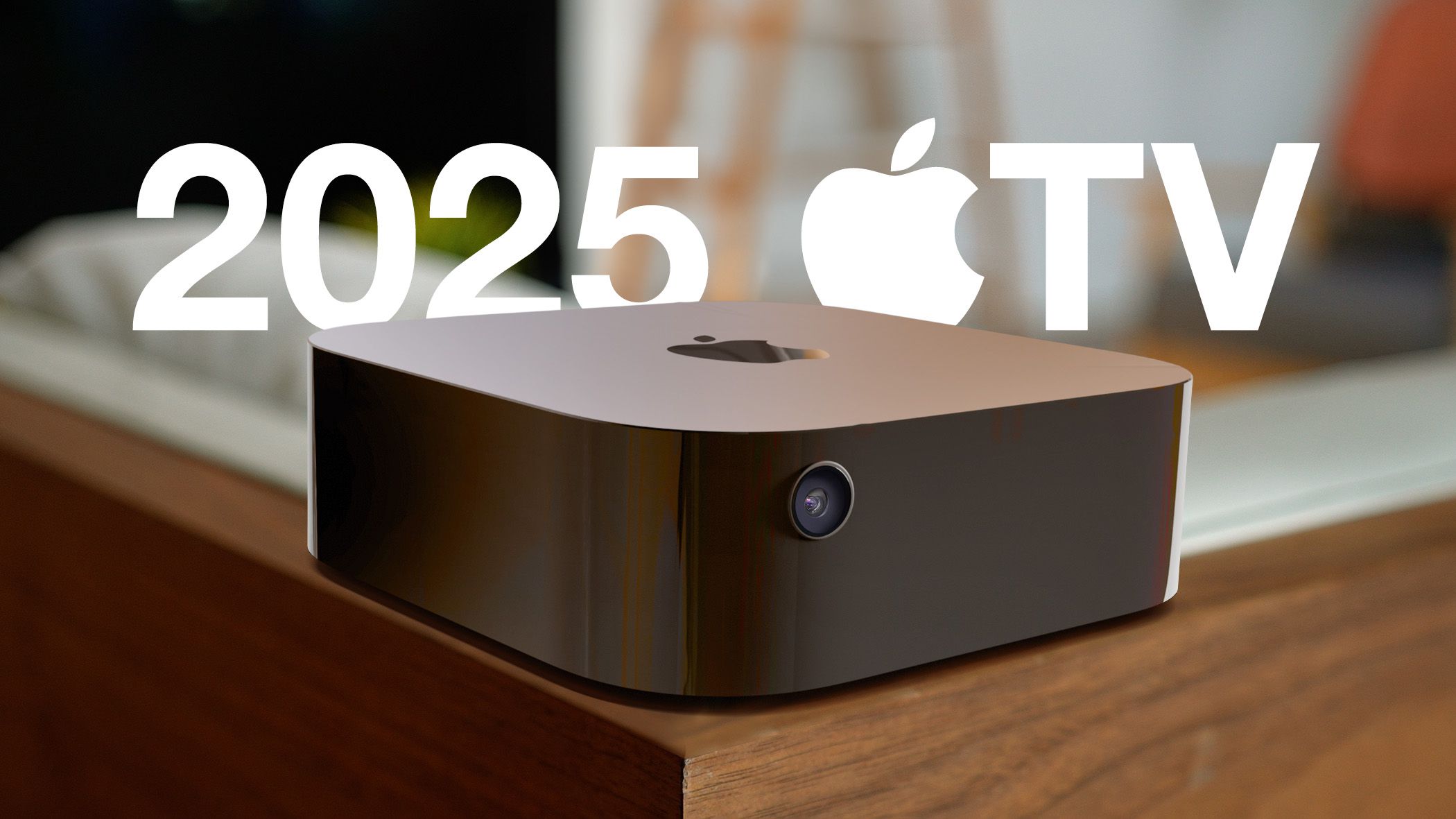

The A17 Pro Revolution: How Apple’s Next TV Upgrade Could Reshape Your Living Room Experience
Introduction
What if your humble streaming box morphed into a powerful gaming console and AI-powered entertainment hub overnight? According to mounting evidence uncovered within Apple’s own code, that future is imminent. Rumors indicate Apple is developing a dramatically upgraded Apple TV featuring the formidable A17 Pro chip, the same powerhouse fueling the iPhone 15 Pro and iPad mini 7, with a potential launch later in 2025. This isn’t just a minor speed bump. Targeting the Apple TV A17 Pro model signifies a strategic shift, potentially transforming the set-top box from a video streamer into a central pillar of Apple’s gaming and smart home ecosystem. Understanding this upgrade is crucial as it reveals where Apple envisions the living room heading: a convergence of high-fidelity entertainment, intelligent assistance, and seamless connectivity often demanded by modern users.
Body
I. Decoding the A17 Pro: Why This Chip Changes Everything
The jump from the current Apple TV 4K’s A15 Bionic to the rumored A17 Pro isn’t incremental; it’s transformative. Fabricated on TSMC’s advanced 3nm process node, the A17 Pro boasts significant architectural improvements (TSMC Process Nodes, Wikipedia):
- CPU: A 6-core design (2 high-performance + 4 efficiency cores) offering ~10-15% faster processing over the A15, improving UI fluidity, app loading, and complex multitasking.
- GPU: A 6-core GPU with hardware-accelerated ray tracing and mesh shading – technologies crucial for realistic lighting, shadows, and complex geometries in modern games.
- Neural Engine: A 16-core Neural Engine running up to 35 trillion operations per second (TOPS). This is the engine enabling Apple Intelligence.
- Memory Bandwidth: Increased bandwidth, vital for handling demanding game textures, high-resolution video streams, and AI data processing smoothly.
The implications for the Apple TV platform are profound:
-
Benchmark Comparison (Estimated):
Feature Current Model (A15 Bionic) Rumored Model (A17 Pro) Improvement Factor GPU Performance ~5.8 TFLOPs (iPhone 13 Pro) ~8.7 TFLOPs (Conserv.) ~1.5x Neural Engine 15.8 TOPS (A15) 35 TOPS ~2.2x Process Node 5nm 3nm Density/Power Console Gaming Casual/Mobile Tier Console-Quality Tier N/A
II. Unleashing Console-Quality Gaming on Apple TV
The A17 Pro chip is the key to Apple’s long-held, yet unfulfilled, ambition to make the Apple TV a credible gaming platform. Its GPU capabilities place it firmly in the realm of mainstream consoles:
- Beyond Mobile Gaming: Games like “Resident Evil Village” and “Death Stranding Director’s Cut” running on iPhone 15 Pro demonstrate the raw power. The A17 Pro in a thermally unconstrained Apple TV chassis can sustain peak performance for longer, enabling more ambitious ports.
- MetalFX Upscaling: Apple’s answer to NVIDIA DLSS/AMD FSR uses the A17 Pro’s power to upscale lower-resolution graphics in real-time to near-native 4K quality with high frame rates (e.g., 60fps or 120fps). This bridges the gap between mobile and console visual fidelity (Metal Framework, Apple Developer).
- Developer Incentive: Console-quality graphics support opens doors for major AAA studios to bring franchises traditionally confined to PlayStation, Xbox, or PC to the tvOS ecosystem. This could significantly expand the appeal of Apple Arcade.
- Controller Integration: Expect deeper integration with DualSense and Xbox Wireless Controllers, leveraging the A17 Pro’s low-latency Bluetooth enhancements for a seamless experience.
III. The Dawn of Apple Intelligence on the Big Screen
The 35 TOPS Neural Engine isn’t just about photo filters; it’s the bedrock for Apple Intelligence across Apple devices. While details on its TV implementation are scarce, potential applications are transformative:
- Revolutionized Siri: Move beyond basic voice commands. Imagine context-aware requests: “Show me scenes with this actor in the movie I’m watching” or “What did he just say? Translate and subtitle.” Real-time language translation during international shows could become seamless.
- Personalized Smart Recommendations: AI analyzing your viewing habits, time of day, and mood to curate personalized watchlists far beyond current algorithms, integrated seamlessly with Apple TV+ recommendations.
- Enhanced Accessibility: Real-time, complex audio descriptions generated by AI, or intelligent closed captioning adapting to accents and background noise.
- Smart Home Hub Evolution: Running complex automations locally, understanding natural language commands for HomeKit scenes via Siri (“Make it feel like a cozy winter evening”), or previewing camera feeds with AI-powered object detection directly on the TV overlay.
IV. Enhanced Connectivity & Home Integration
Rumors strongly point to Apple using its own custom-designed Bluetooth and Wi-Fi chip in the upcoming model. Replacing off-the-shelf components offers significant advantages:
- Optimized Performance: Tailored for Apple’s ecosystem, ensuring rock-solid connections with AirPods (for low-latency audio), HomePods via Wi-Fi, game controllers, and the Siri Remote. Reduced interference and dropouts.
- Lower Latency: Critical for gaming responsiveness and fluid AirPlay mirroring. Milliseconds matter in competitive gaming and smooth lag-free audio/video sync.
- Increased Efficiency: Lower power consumption aligns with Apple’s environmental goals and potentially enables slimmer designs or quieter operation without fan noise.
- Thread Support Future-Proofing? While not confirmed, custom silicon enhances Apple’s ability to deeply integrate Thread protocol support, making the Apple TV an even more robust Matter/HomeKit border router for the smart home.
V. Launch Timing, Competition, and Market Impact
Apple faces a competitive but distinct streaming device market. This upgrade strategically positions the Apple TV apart:
- Expected Launch: Most likely September or October 2025, potentially alongside the iPhone 17 lineup to showcase ecosystem synergy. A later Fall release (November/December) remains possible, capitalizing on holiday sales. Delaying beyond 2025 seems improbable given the evidence.
- Competitive Landscape Analysis:
- Roku/Fire TV Stick: Dominant on price but lack raw power and gaming focus. Apple targets the high-end experience.
- NVIDIA Shield TV Pro: Closest competitor power-wise (Tegra X1+), but aging hardware. The A17 Pro would leapfrog it significantly.
- Game Consoles (Xbox/PlayStation): Direct rivals in gaming aspirations. The Apple TV won’t match full AAA exclusives immediately but leverages affordability ($149-$199 likely vs. $299+ consoles) and seamless Apple services integration.
- Price Strategy: An increase over the current $129 (128GB) model is plausible, possibly landing around $169-$179. Apple will justify this via the A17 Pro’s capabilities, positioning it as a premium device offering unique benefits (gaming/AI). The low-cost MacBook rumors ($599) show Apple targeting value elsewhere; the Apple TV remains a high-margin, quality-focused product.
VI. The Bigger Ecosystem Picture: Beyond Streaming
This upgrade isn’t isolated. It reflects Apple’s broader ambitions:
- Strengthening Services: A more powerful Apple TV boosts Apple TV+ content value (supporting higher framerates, codecs?), Apple Arcade (AAA potential), Fitness+ (more immersive visuals), and Apple Music spatial audio.
- Augmented Reality Gateway: Could a high-performance Apple TV facilitate processing for future AR experiences streamed to Apple Vision Pro or successors? The idea gains traction with this power jump.
- The Ultimate ‘Hub’: Evolving from a media player to the computational and connectivity heart of the connected living room – managing entertainment, AI, gaming, and smart home controls in one always-on device.
Conclusion
The rumored Apple TV upgrade driven by the A17 Pro chip is far more than a simple hardware refresh. It represents a bold vision for Apple’s place in the living room: transforming a streaming device into a powerhouse capable of console-grade gaming, deeply integrated AI-driven intelligence, and becoming an indispensable hub for modern digital life. The leap in performance, potential for cutting-edge Apple Intelligence applications, and upgraded custom connectivity solidify its position at the premium end of the market. While questions remain about exact specs, pricing, and launch timing, the potential impact is undeniable. If Apple successfully leverages this power, the Apple TV could finally fulfill its long-promised potential, offering an unparalleled all-in-one entertainment experience. Will this be the upgrade that convinces you to elevate your home setup? What features are you most excited about: the gaming potential, Siri’s evolution, or something else entirely? Share your thoughts below!
Sources & Further Reading:
Original article at www.macrumors.com


