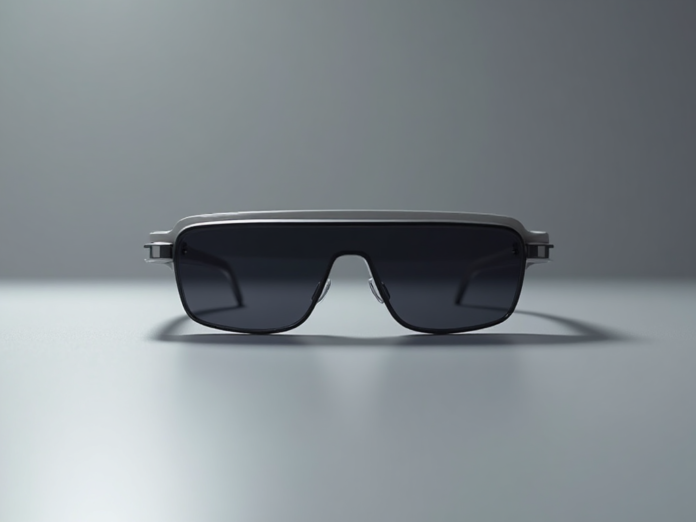

When Meta launched its Ray-Ban smart glasses, the company imagined a future of hands-free convenience and seamless connectivity. Instead, the glasses earned a far less flattering nickname: pervert glasses.
The reason? Non-consensual recording. A tiny LED indicator is all that stands between a wearer filming someone and that person knowing they are being recorded. It is subtle and easy to miss, and in practice it has created a wave of unease that has followed Meta everywhere.
Now Apple is stepping into the arena, facing the same foundational question: Is there a way to build smart glasses that are not a constant privacy threat to everyone around you?
According to Bloomberg
Apple has reportedly pushed the launch of its smart glasses from early 2027 to WWDC in June 2027, with a retail release expected by the end of that year, according to Bloomberg reporter Mark Gurman. This is not about hardware problems or supply chain constraints. It is about getting the privacy equation right before a single pair ships.
Why Apple Is Taking a Different Path
Apple has watched the Meta Ray-Ban controversy unfold with caution. The glasses have become a symbol of how wearable cameras can feel invasive, even when they are technically legal. People do not want to wonder whether every person wearing sunglasses is recording them.
Apple strategy revolves around three core principles:
- On-device processing. Everything from image capture to AI assistance will happen locally on the glasses, not in the cloud. No footage is transmitted, stored remotely, or analyzed by external servers.
- No facial recognition. Apple is banning facial recognition outright at the system level. Users will not be able to point these glasses at a stranger and identify them.
- Customer data stays customer data. Apple has committed to not using any recordings or data from the glasses to train AI models, a major departure from industry norms.
Signal vs. Stigma
For smart glasses to succeed, they must overcome a social trust problem that technology alone cannot solve. Apple reportedly plans a prominent recording indicator far more visible than Meta subtle LED, plus an audible shutter sound when recording begins that cannot be disabled. These design decisions signal that Apple wants people wearing these glasses to be unmistakably identifiable.
The Road to 2027
Apple has the luxury of time and is using it. The delay gives engineers, privacy advocates, and legal teams room to think through edge cases that Meta did not consider. The question is not whether Apple can make smart glasses that are technically private. It is whether they can make smart glasses that feel private to everyone, not just the person wearing them. That is the harder problem, and it will determine whether Apple entry into smart glasses is remembered as a breakthrough or another cautionary tale.


