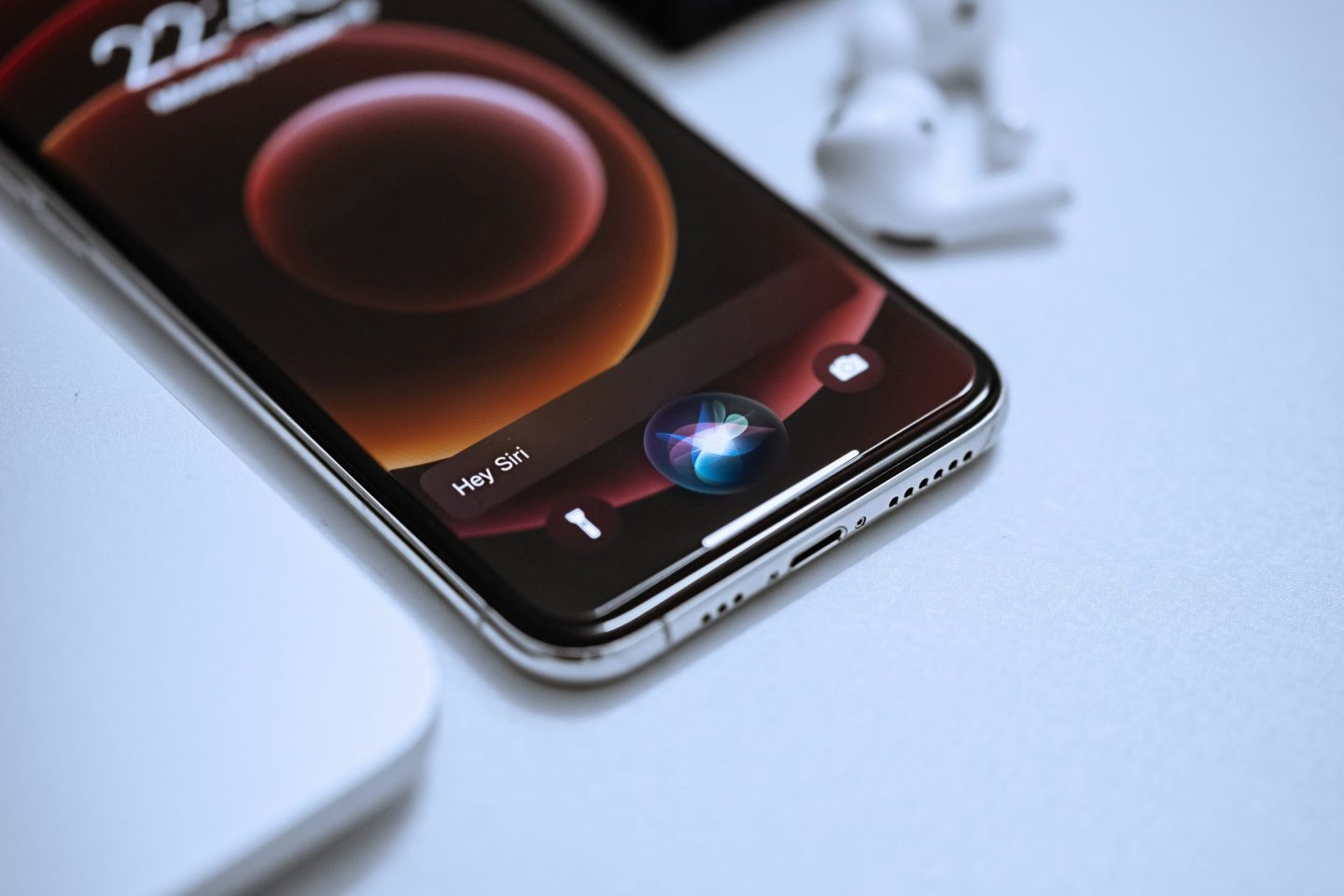

The Siri-Gemini Alliance: Is Apple Trading Control for a Chance to Catch Up in AI?**
Did you know the iconic rivalry defining our smartphones could soon forge an unlikely truce? Apple is reportedly exploring a groundbreaking partnership with tech rival Google to power its Siri virtual assistant using Google’s Gemini artificial intelligence models. While still in early negotiations, this potential Siri Gemini integration represents a seismic shift in Apple’s AI strategy, acknowledging significant delays in its internal generative AI development. It underscores the intense pressure Apple faces to close a widening technological gap while navigating an uneasy alliance with its biggest competitor. This move could reshape not just Apple’s toolset but user privacy norms and the entire competitive tech landscape—especially as Apple Intelligence struggles to reach its ambitious goals.
The High Stakes Behind Siri’s Stagnation
Apple’s journey with Siri highlights its stumbling generative AI efforts. Acquired in 2010, Siri was revolutionary. Yet recent benchmarks show it lagging rivals like Google Assistant and OpenAI in understanding context and complex tasks. Apple’s challenges crystallized with the delay of a major Siri overhaul—originally slated for spring 2023. Dubbed the “contextual assistant update,” it promised to use personal data for multi-step commands and seamless voice control. Engineering hurdles forced a full-year postponement, exposing dependencies on Apple’s slower-moving in-house R&D. As Bloomberg reported, this failure triggered swift internal reorganization:
- Leadership Shakeup: Siri development was shifted from AI head John Giannandrea to software chief Craig Federighi and Vision Pro lead Mike Rockwell, alongside business development head Adrian Perica.
- The Split Approach: Apple initiated a “bake-off” codenamed Project Linwood (using proprietary models) versus Glenwood (relying on third-party AI like Gemini).
- Intensified Deadline Pressure: Apple’s leadership signaled urgency. Tim Cook openly declared internally that Apple “must win in AI,” pledging increased investment. This reflects the accelerating pace of competitors like Samsung (integrating Google’s AI Galaxy-wide) and Microsoft’s Copilot.
Apple’s traditional fortress-like ecosystem is being tested. Building state-of-the-art LLMs demands massive datasets, computational power, and cutting-edge talent—resources where competitors have sprinted ahead.
Why Gemini? The Calculus of a Limited Chessboard
Apple’s discussions with Google, Anthropic, and OpenAI reveal a pragmatic, albeit reluctant, acceptance: third-party AI may be necessary for survival. Google’s Gemini, however, holds unique advantages:
- Technical Edge: Gemini’s multimodal architecture—adept at text, image, and code processing—has benchmarked comparably to models like ChatGPT-4, making it a leading candidate against Meta’s Llama 3 as per industry evaluations. Sources reveal Gemini is already being tested on Apple’s servers.
- The Existing Financial Tether: Google pays Apple over $18 billion annually as the default search engine on iOS. Despite ongoing U.S. DOJ antitrust scrutiny over this deal, expanding into AI creates mutual leverage:
- Apple gains immediate access to generative AI credibility.
- Google secures unprecedented integration into iOS, dominating core user interactions beyond search.
Still, partnering with a rival carries risks. Samsung leverages Gemini but lacks Apple’s brand association with seamless hardware-software synergy. A Gemini-powered Siri could blur Apple’s “it just works” differentiation—especially if privacy becomes contentious.
| Apple’s AI Approach: Build vs. Partner |
|---|
| Strategy |
| In-House Development |
| Third-Party Integration |
Privacy, Architecture, and the Core Ecosystem Dilemma
Privacy remains Apple’s non-negotiable pillar. Even if Siri taps Gemini, Apple reportedly mandates features like Private Cloud Compute (PCC)—running external models on dedicated Apple servers with encrypted data, not locally on devices. This contrasts how rivals handle data:
- Google Assistant allows some queries to go to its cloud.
- Meta AI uses your Facebook/IG activity for personalization.
But privacy assurance gets murkier with shared infrastructure. How would Gemini processing in Apple’s PCC handle profiling? While developers are restricted from accessing user prompts, power dynamics in an Apple-Google unholy alliance demand scrutiny. Apple still plans to control its core “MLX” framework under Federighi’s team. However, consumer-facing failures like Siri force compromises. An example: Apple killed its proprietary coding assistant after concluding Anthropic’s Claude or ChatGPT proved superior.
Internal Turmoil and Talent Flight
Beyond tech constraints, Apple faces a brain drain crisis. After foundational architect Ruoming Pang exited for Meta this summer (to its Superintelligence Lab), other critical staff departed or sought jobs elsewhere, lured by higher compensation and aggressive startups. Key challenges:
- Competitive AI Talent Market: Salaries for top AI researchers regularly exceed $1M/year—a bidding war Apple has struggled with according to reports.
- Strategic Uncertainty: With Linwood vs. Glenwood bake-offs and mixed signals on partners, teams face ambiguity. Unless Cook’s “all-in on AI” push stabilizes the ship, attrition will worsen.
Cook’s refusal to rule out third-party AI on a recent earnings call underscores the deep internal debate: maintain Apple’s independence or accelerate progress via rivals.
What Happens Next? Pathways and Implications
While preliminary, these talks signal Apple’s willingness to gamble. Potential outcomes include:
- A Siri-Gemini Hybrid: Gemini handles generative tasks while Apple’s models manage core OS functionalities. A silent transition could see Siri “become smarter,” detracting less from Apple’s brand.
- Regulatory Firestorms: After the DOJ’s Google Search case, supporting monopolization arguments becomes easier. Observed stock jumps following the Bloomberg leak signal Wall Street’s belief in the deal’s profitability—which could draw EU regulators.
- Apple’s Long-Term Play: The company continues pursuing its trillion-parameter model under Project ACDC. Even a Gemini deal aims to buy time until its AI matures.
Yet integrating Gemini doesn’t grant parity. Samsung already offers Galaxy AI using Gemini, and OpenAI/Microsoft hold lead time in user adoption. The race hinges on timing: if Apple’s homegrown Linwood wins its bake-off, this partnership might vanish. But given Cook’s stated urgency, that seems optimistic.
The Double-Edged Alliance: Conclusion
Apple’s potential Siri-Gemini integration is a high-stakes concession: trading some independence for relevance in a generative AI arms race it’s currently losing. While it guarantees immediate upgrades for Siri, it risks entanglement with Google’s contentious antitrust legacy and erodes Apple’s “privacy-first” mystique. Crucially, this isn’t surrender—it’s a calculated stopgap while Apple races internally. The Linwood/Glenwood bake-off underscores their path isn’t set. But one takeaway is clear: Tim Cook cannot afford another Siri delay. The question now is whether users accept a “Googlified” Siri or if Apple can truly catch up in time to reclaim its mantle.
What do you think? Would you welcome Gemini-powered Siri if it means a smarter assistant, or does this erode trust in Apple’s ecosystem? Share your thoughts in the comments!
Sources & Further Reading:
Original article at techwireasia.com


