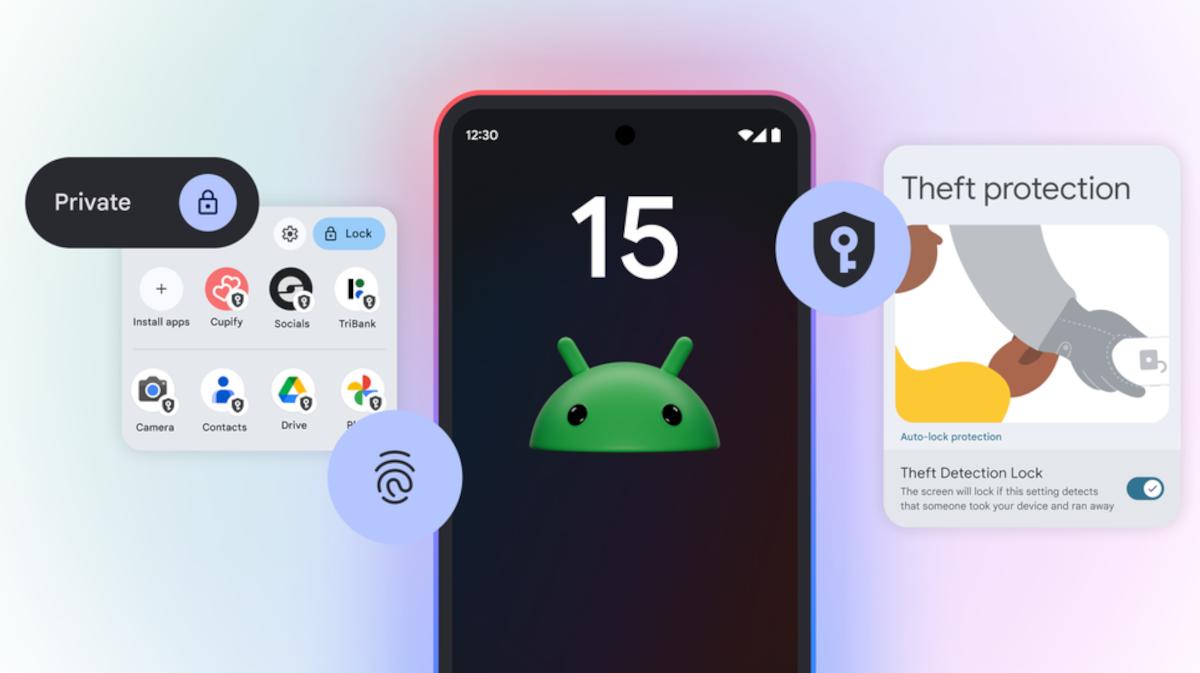

The Hidden Phone Tax: How Software Updates Dictate Your Device’s Lifespan, Especially in Zimbabwe
Did you know your perfectly functional phone could be artificially slowed down by up to 30%, not by aging hardware, but simply because the manufacturer stopped sending updates? For millions in Zimbabwe, where phones aren’t yearly accessories but investments meant to last 4, 6, or even 7 years, this reality is a critical purchasing factor often overlooked. Phone software updates transcend flashy features; they deliver profound performance gains and security enhancements crucial for long-term usability. The stark disparity in support policies, highlighted by Android 15’s revolutionary 16KB page size optimization, creates a hidden “performance tax” hurting users whose devices get abandoned early. Choosing the right brand based on software support lifespan is no longer optional—it’s essential for getting true value and longevity from your mobile investment.
Why Software Updates Are Lifelines, Not Luxuries
The common perception of Android updates often centers on aesthetic tweaks, new emojis, or minor camera enhancements. This drastically underestimates their impact. For users in markets like Zimbabwe, where economic factors necessitate devices lasting many years (averages exceed 4-5 years easily), updates are fundamental to keeping the phone relevant, secure, and performing well.
- Performance Declines Without Updates: As apps and services evolve, they increasingly rely on the latest underlying OS features. An antiquated OS makes interacting with modern apps inefficient and slower, regardless of the phone’s processor or RAM.
- Security Nightmares: Unpatched vulnerabilities in outdated software are prime targets for malware and data theft. Google’s Project Zero constantly highlights critical flaws patched in newer Android versions that leave older devices exposed. The lack of security updates on abandoned devices creates significant personal risk.
- Economic Imperative: With frequent currency fluctuations and lower average incomes, Zimbabwean consumers prioritize value retention. A phone fading into obsolescence due to software neglect after just 2 years forces premature, costly replacements, undermining the budget-conscious purchase.
LSI Keywords: Android support lifespan, phone longevity Zimbabwe, software security updates, performance optimization updates.
Android 15’s Game-Changer: The 16KB Page Size Speed Boost
Android 15, the latest major OS version, introduces a seemingly technical but profoundly impactful change: shifting from 4KB to 16KB memory page sizes. To grasp its importance, understand that your phone’s OS organizes RAM into tiny chunks (“pages”). For over a decade, Android used 4KB pages. Think of it like carrying groceries one small bag at a time. Android 15 moves to 16KB pages – equivalent to carrying four bags simultaneously. Handling the same “load” (apps running in memory) requires significantly less overhead work for the processor.
The performance gains documented from this architectural shift are substantial:
| Performance Metric | Improvement with 16KB Pages |
|---|---|
| App Launch Speed | Up to 30% faster (in controlled tests) |
| In-App Performance | Up to 10% faster |
| Camera Launch Time | Noticeably quicker |
| System Responsiveness | Significantly smoother UI |
| Battery Efficiency | Moderate improvement (~4-5%) |
(Source: Android Authority performance testing coverage informed by developer documentation)
This isn’t just theoretical. The reduction in memory management overhead translates to a tangible, system-wide responsiveness boost. Tasks feel snappier, apps open quicker, and even battery life sees a slight uptick. It exemplifies how core OS optimizations in major updates deliver real-world benefits far beyond cosmetic changes.
LSI Keywords: Android 15 features, 16KB memory page size, RAM performance optimization, system smoothness, phone battery efficiency.
The Crucial Catch: Why Identical Hardware Isn’t Identical Performance
Here’s the critical rub: The 16KB page size optimization ONLY works if the phone is running Android 15 (or later) and the underlying Linux kernel has been updated to support this feature by the manufacturer.
Imagine two friends:
- Phone A: Samsung Galaxy A53 (Released 2022, mid-range) updated to Android 15.
- Phone B: Competing brand model (Released 2022, similar Snapdragon processor, same RAM/storage/price) stuck on Android 13.
Despite identical raw specifications right out of the box, Phone A will demonstratively outperform Phone B after the update. Apps on Phone A launch perceptibly faster (the 30% potential gain), the camera snaps open quicker, and navigating the OS feels decidedly smoother. Phone B misses out entirely. Worse, as new apps increasingly expect the efficiency of larger page sizes, Phone B’s performance will increasingly degrade relative to Phone A over time, creating a widening performance gap unrelated to hardware decay. It’s a software-imposed limit accessible only through manufacturer support.
LSI Keywords: Android version impact on speed, software dependent performance, hardware vs software comparison.
The Update Report Card: Which Brands Prioritize Longevity in Zimbabwe?
Manufacturer commitment to long-term Android version updates varies wildly. Choosing the right brand is directly linked to your phone’s usable lifespan and future performance. Here’s a breakdown for popular brands in Zimbabwe:
| Brand (Popular in Zimbabwe) | Android Version Update Policy | Real-World Support (e.g., Android 15) | Verdict for Longevity |
|---|---|---|---|
| Samsung | 4 Years (flagships), 5-7 Years (select models) | Confirmed for mid-range A53 (2022), S series flagships. | Excellent – Industry leader, widely available, crucial for long holds. |
| Google Pixel | Minimum 3 years, often 5+ | Guaranteed flagship-level support. | Excellent – But reliant on imports. |
| OnePlus | Flagships: 3 Major OS Updates + 1 Year security | Varies, some newer Nord models get promise, older inconsistent. | Fair to Good – Improving but track record mixed. |
| Xiaomi (Select models) | Flagships: Varies (2-3 updates common), some newer models promise 3-4 | Mix – Higher-end models often prioritized. | Inconsistent – Read specific model promises carefully. |
| Transsion Group (Itel, Tecno, Infinix) | Minimal to None for most models | Many models launch on Android 13, rarely ever receive Android 14, Android 15 near impossible. | Poor – Significant performance lockout risk. |
The critical takeaway: Brands like Samsung offer tangible commitments (often displayed on their official Zimbabwe website support pages) backed by consistent delivery, vital for multi-year users. Conversely, while popular budget brands Itel, Tecno, and Infinix (Transsion Holdings) dominate market share through affordability, their historical lack of major OS updates means even relatively new phones may never receive crucial updates like Android 15. Users are effectively locked out of significant performance and security enhancements very early in the device’s potential lifespan. This policy gap creates a “long-term premium” that budget brands often avoid discussing.
LSI Keywords: Samsung update policy Zimbabwe, Transsion update support, Tecno Android updates, Infinix software support.
The Long-Term Equation: Why Spending More Upfront Saves Money
Buying solely based on headline specs like megapixels, RAM, and storage capacity is a short-sighted approach. The software support lifespan is arguably the most critical factor for users who need a phone to last. Here’s why the premium for better support pays off:
- Extended Peak Performance: Phones like Samsung’s Galaxy A-series or older Pixel models receiving timely updates maintain their responsiveness much longer. Performance gains like the 16KB page size help counteract software bloat over time.
- Delayed Obsolescence: A phone receiving 5 years of updates stands a good chance of effectively lasting 5+ years. A phone abandoned after 18-24 months rapidly becomes slow, insecure, and incompatible with new apps, forcing replacement long before the hardware truly fails.
- Cost-Per-Year Value: A ₦200,000 phone with 5+ year support costs ~₦40,000/year. A ₦150,000 phone lasting only 3 years due to software neglect costs ₦50,000/year, making the “cheaper” phone 25% more expensive annually.
- Reduced E-Waste & Enhanced Security: Longer use means fewer replacements, reducing environmental burden. Consistent security updates protect personal data and financial transactions far longer.
- Economic Resilience: In high-inflation economies like Zimbabwe’s, stretching the life of a durable good like a phone through timely software updates provides significant savings and stability.
LSI Keywords: Phone total cost of ownership, phone value Zimbabwe, software support economics, Android performance longevity, cost per year value.
In Conclusion: Think Beyond the Spec Sheet
Your phone’s lifespan and peak performance aren’t solely determined by the silicon inside the box. Android software updates, especially major changes like the performance-boosting 16KB page size in Android 15, are pivotal in maintaining speed, security, and usability over the 5+ years many Zimbabweans rely on their devices. By choosing brands like Samsung or Google Pixel with demonstrable, long-term update commitments, you invest not just in a phone today, but in its continued viability tomorrow. The upfront premium becomes long-term savings and peace of mind. Conversely, brands offering deep discounts but no software roadmap often deliver a hidden long-term cost in frustration and premature replacement. What’s been your experience with software updates and phone longevity? Does your current device exemplify this challenge, or defy it? Share your brand and phone age below – let’s discuss the real-world impact!
Sources & Further Reading:
Original article at www.techzim.co.zw


