
The Sky’s New Battleground: When Rocket Debris Threatens Jet Liners
Imagine you’re cruising at 37,000 feet on a flight to the Caribbean when your pilot suddenly banks sharply away from a blazing rocket explosion visible outside your window. Minutes later, he declares an emergency fuel shortage. This adrenaline-fueled scenario unfolded repeatedly during SpaceX’s Starship test launches throughout 2025. The collision course between orbital ambitions and aviation safety has ignited fierce debate: Are regulators gambling with passenger lives to accelerate the space race? As SpaceX presses forward with experimental launches over congested airways, critical gaps in protection reveal the precarious balance between innovation and public welfare.
Anatomy of a Near-Disaster: Starship’s Explosive Track Record
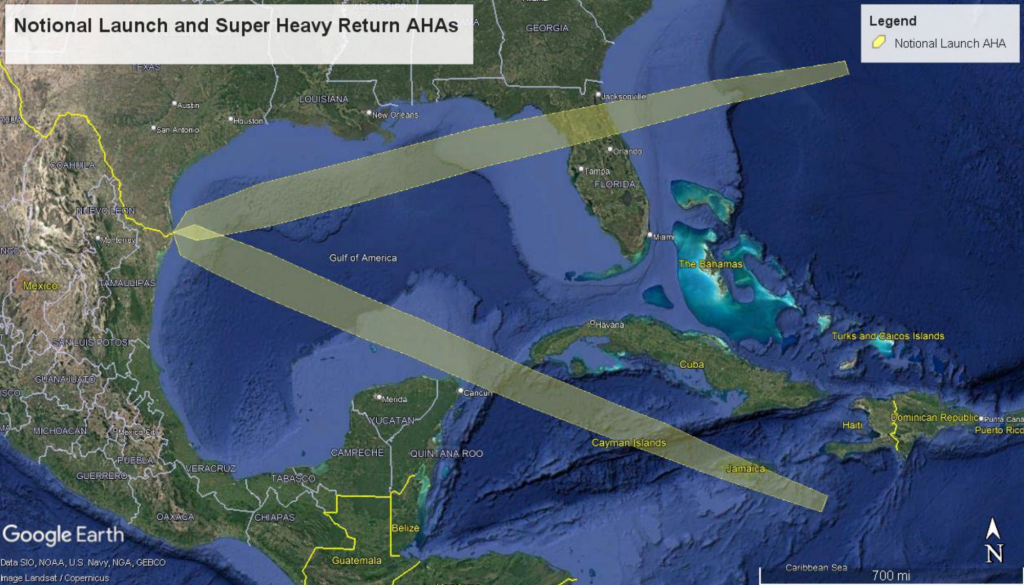
SpaceX’s Boca Chica launch site places Starship’s trajectory directly over the Caribbean’s aviation corridor. Federal Aviation Administration (FAA) documents initially dismissed risks as “minor,” comparable to weather disruptions. Yet actual operations proved catastrophic:
- Jan 16, 2025: Starship Flight 7 disintegrates mid-ascent, raining flaming debris across international airspace. FAA air traffic controllers scramble to activate no-fly zones over Turks and Caicos, forcing 11 aircraft into evasive maneuvers. One Iberia flight with 283 passengers declares a fuel emergency after prolonged diversion.
- Mar 6, 2025: Flight 8 explodes despite enhanced protocols. Frontier Flight 081 passengers witness debris “looking like the sun” before abruptly rerouting.
- May 27, 2025: Super Heavy booster detonates over the Gulf, validating escalating international alarm.
Failures vs. FAA Risk Assessment
| Launch Date | FAA Prediction | Actual Outcome |
|————-|—————-|—————-|
| Pre-2025 Launches | “Minimal disruption” (like weather) | 3 explosions in 5 attempts |
| Debris Impact | Contained hazard zones | Fragments scattered over areas 3x larger than projected |
| Airline Impact | “No extended closures” | Multiple fuel emergencies/diversions |
Photographic evidence reveals debris included multi-ton fuel tanks – exponentially larger than the 300 grams University of British Columbia professor Aaron Boley confirms could “catastrophically destroy an aircraft.” NOAA modeling later confirmed debris fields spanned over 8,000 sq miles – comparable to New Jersey’s footprint.
Inside the Cockpit Chaos
Air traffic


