
Disrupting Vision Care: Eyebot Secures $20 Million to Revolutionize Eye Exams
How often do you put off scheduling that eye exam because of the hassle of appointments, insurance complexities, and the overall time commitment? Eyebot, a Boston-based startup, is aiming to change that. The company recently secured $20 million in Series A funding to expand its network of 90-second vision test kiosks, bringing accessible and convenient eye care closer to consumers. This funding underscores the growing demand for innovative solutions that address the pain points associated with traditional vision care, and could radically alter how people obtain glasses prescriptions.
Eyebot’s Innovative Approach to Vision Testing
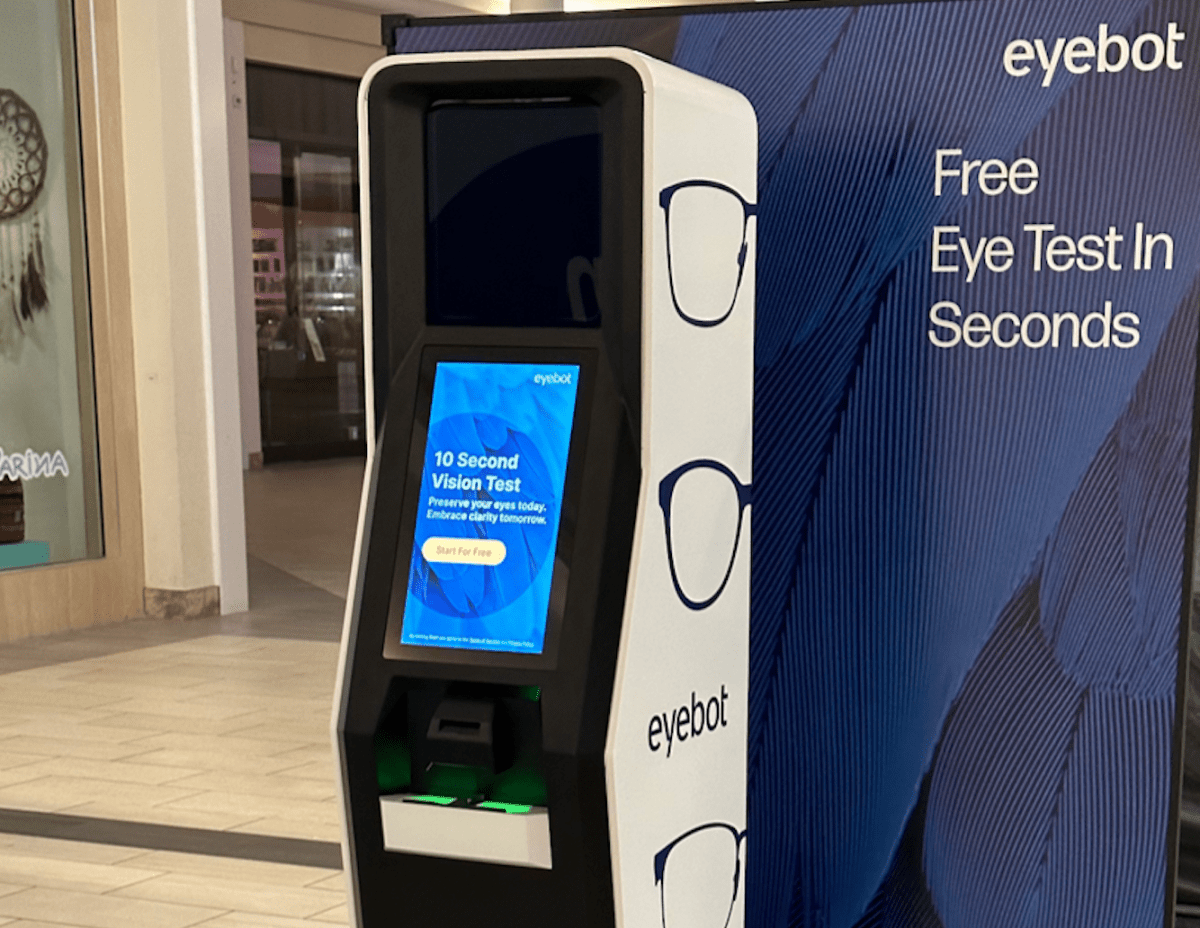
Eyebot’s core offering is a self-service kiosk that provides a free, 90-second vision test. These kiosks are strategically placed in high-traffic locations such as malls, universities, retail stores, pharmacies, grocery chains, schools, and even airports. The key to Eyebot’s model lies in its combination of speed, accessibility, and professional oversight.
Streamlining the Path to a Glasses Prescription
The company addresses key barriers to traditional eye care:
- Accessibility: Kiosks are located in easily accessible public spaces, eliminating the need to travel to a specialized clinic.
- Convenience: The 90-second test is a fraction of the time required for a traditional eye exam.
- Cost: The initial vision test is free, making it accessible to a broader range of individuals.
- Insurance Hassles: By offering a direct-to-consumer service, Eyebot bypasses the complexities of insurance claims for the initial vision test.
- Appointment Delays: The self-service nature of the kiosk eliminates the need for scheduled appointments.
The Doctor-Verified Advantage
While the speed and convenience are appealing, what truly differentiates Eyebot is the doctor-verified prescription. After a user completes the test, the results are reviewed and approved by licensed eye doctors. This clinical oversight is crucial for ensuring accuracy and reliability. If the test results indicate potential underlying health issues, the individual is referred for a comprehensive, in-person examination with an eye care professional. This integration of technology and medical expertise is critical for gaining trust and acceptance from both consumers and traditional eye care providers.
Scaling the Kiosk Network and Expanding the Team
The $20 million in Series A funding, led by General Catalyst, will be used to fuel Eyebot’s growth in several key areas. This brings their total funding to over $30 million and will help them grow their business.
Expanding Kiosk Deployment
A significant portion of the funding will be directed towards expanding the company’s kiosk network across the United States. More kiosks in more locations mean greater accessibility for potential customers. By partnering with major retailers and institutions, Eyebot aims to integrate vision testing seamlessly into people’s daily routines.
Building Out the Team
Eyebot plans to significantly expand its team across several departments:
- Product: Investing in further development and refinement of the kiosk technology and user experience.
- Clinical Operations: Expanding the network of licensed eye doctors who review and approve prescriptions.
- Commercial Growth: Focusing on sales, marketing, and strategic partnerships to accelerate kiosk deployment and market penetration.
Eyebot’s Business Model: More Than Just Vision Tests
Eyebot has a multi-faceted business model:
- Free Vision Tests: Attracts users and generates data.
- Doctor-Verified Prescriptions: A fee is charged for the verification of the prescription.
- Kiosk Leasing: Leases its kiosks to optical retailers, eyewear brands, and independent practices, generating recurring revenue.
This diverse revenue stream allows Eyebot to capitalize on different aspects of the vision care market.
Overcoming Skepticism and Building Trust in Tele-Optometry
One of the biggest challenges Eyebot faced was overcoming skepticism from both traditional eye care providers and potential patients. Doctors initially expressed concerns about the accuracy of a self-service vision test, while patients questioned whether a 90-second process could be reliable.
Addressing Accuracy Concerns in Vision Testing
Eyebot addressed these concerns by emphasizing the role of experienced doctors in reviewing every test result. This clinical oversight, combined with the referral process for potential health issues, helped to build confidence in the accuracy and safety of the service. The company is also working to comply with all relevant regulations and industry standards for vision testing. [Link to a reputable source discussing the regulations surrounding vision testing].
The Rise of Tele-Optometry
Eyebot is part of a growing trend towards tele-optometry, which leverages technology to deliver remote eye care services. This trend is driven by factors such as:
- Increased Demand for Convenient Healthcare: Consumers are increasingly seeking convenient and accessible healthcare options.
- Advances in Technology: Developments in imaging and diagnostic technologies enable remote eye exams.
- Shortage of Eye Care Professionals: In some areas, there is a shortage of eye doctors, making tele-optometry a valuable solution.
However, it’s important to note that tele-optometry is not a replacement for comprehensive eye exams. A full eye exam can detect conditions such as glaucoma, cataracts, and macular degeneration, which require specialized equipment and expertise. [Link to a reputable source explaining the difference between vision tests and comprehensive eye exams].
Eyebot vs. Traditional Eye Exams: A Comparison
| Feature | Eyebot | Traditional Eye Exam |
|---|---|---|
| Duration | 90 seconds | 30-60 minutes |
| Accessibility | Kiosks in public spaces | Scheduled appointments at a clinic |
| Cost | Free (vision test), fee for prescription | Typically covered by insurance (co-pay) |
| Convenience | Highly convenient, no appointment needed | Requires scheduling and travel |
| Scope | Refraction (glasses prescription) | Comprehensive eye health assessment |
| Doctor Review | Yes, for prescription verification | Yes, in-person examination |
| Referral | Yes, if potential health issues are detected | Yes, if further evaluation is needed |
This comparison highlights the key advantages and limitations of Eyebot’s approach. It is not intended to replace traditional eye exams, but rather to provide a convenient and accessible option for obtaining glasses prescriptions.
Looking Ahead: The Future of Vision Care
Eyebot’s success signals a shift in the way people access vision care. By combining technology with medical expertise, the company is making eye exams more convenient, accessible, and affordable. As tele-optometry continues to evolve, it is likely that we will see even more innovative solutions emerge, further transforming the vision care landscape. The company is showcasing their product at the upcoming Techcrunch event.
Conclusion: A Clear Vision for Accessible Eye Care
Eyebot’s $20 million Series A funding is a testament to the growing demand for accessible and convenient vision care solutions. By streamlining the process of obtaining a glasses prescription, the company is empowering individuals to take control of their eye health. While it’s not a replacement for comprehensive eye exams, Eyebot offers a valuable service that addresses the pain points associated with traditional vision care. What do you think about this innovative approach to eye care? Will you use a vision test kiosk? Comment below!
Sources & Further Reading:
Original article at techcrunch.com


