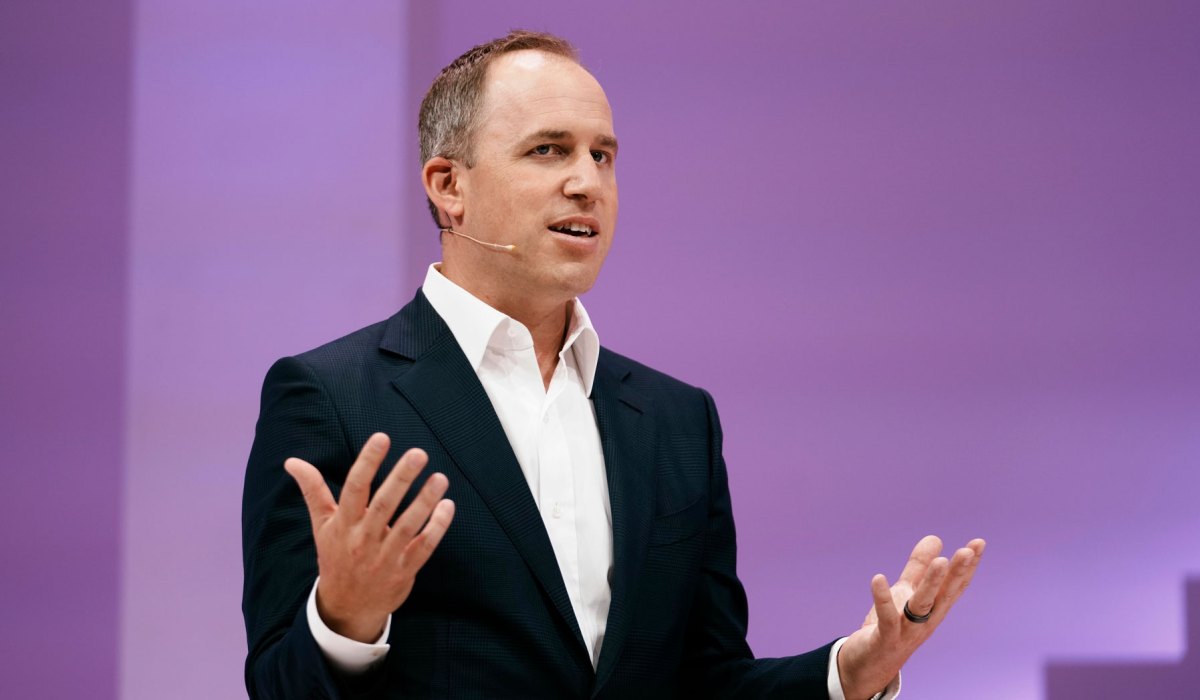

Is the AI Boom a Bubble Waiting to Burst? Insights from OpenAI’s Board Chair
Are we on the cusp of an artificial intelligence revolution, or are we simply inflating another tech bubble destined to pop? The fervor surrounding AI development is undeniable, with billions of dollars pouring into startups and established companies alike. However, whispers of caution are growing louder, suggesting that the current landscape might be unsustainable. Bret Taylor, board chair at OpenAI and CEO of AI agent startup Sierra, recently weighed in on this debate, offering a nuanced perspective that acknowledges both the transformative potential and the inherent risks of the burgeoning AI sector. In this article, we will delve into Taylor’s insights and explore the potential for an AI bubble and its possible repercussions.
The Echo Chamber: OpenAI’s Taylor Confirms AI Bubble Concerns
When asked by The Verge if he agreed with OpenAI CEO Sam Altman’s prediction that “someone is going to lose a phenomenal amount of money in AI,” Taylor didn’t hesitate. He confirmed the existence of an AI bubble, aligning himself with Altman’s views. This consensus from two key figures within OpenAI lends significant weight to the argument that the AI industry is currently overvalued. However, their lack of alarm is noteworthy.
The AI Revolution: A Transformative Force in the Making
Despite acknowledging the potential for significant financial losses, Taylor remains optimistic about the long-term prospects of AI. He believes, similar to the internet’s impact, that AI will transform the global economy and generate immense economic value. This echoes the general sentiment within the tech community: AI is not a passing fad but a fundamental shift in how we live and work.
- Automation: AI-powered automation will streamline processes across various industries, increasing efficiency and productivity.
- Personalization: AI algorithms can analyze vast amounts of data to deliver personalized experiences in healthcare, education, and entertainment.
- Innovation: AI is driving innovation in fields like drug discovery, climate change research, and materials science.
The potential applications of AI are seemingly limitless, justifying the excitement and investment surrounding the technology. However, the key question remains: Are we accurately pricing this potential, or are we caught up in irrational exuberance?
Lessons from the Dot-Com Era: A Historical Parallel
To contextualize the current situation, Taylor drew a parallel to the dot-com bubble of the late 1990s. During that period, internet-based companies experienced rapid growth and attracted massive investment, driven by the belief that the internet would revolutionize everything. While this belief ultimately proved correct, many companies that embraced the dot-com boom failed spectacularly when the bubble burst.
“I think it is both true that AI will transform the economy, and I think it will, like the internet, create huge amounts of economic value in the future,” Taylor said. “I think we’re also in a bubble, and a lot of people will lose a lot of money. I think both are absolutely true at the same time, and there’s a lot of historical precedent for both of those things being true at the same time.”
Taylor’s analogy highlights a crucial point: even if the underlying technology is revolutionary, market hype and excessive speculation can lead to unsustainable valuations and inevitable corrections. He argued that “all the people in 1999 were kind of right,” in their belief about the internet’s transformative power. However, the timing and execution were off, leading to a brutal market crash.
Comparing the AI Bubble to the Dot-Com Bubble:
| Feature | Dot-Com Bubble (Late 90s) | AI Bubble (Present) |
|---|---|---|
| Underlying Tech | Internet and World Wide Web | Artificial Intelligence and Machine Learning |
| Market Hype | Unrealistic expectations of online commerce and growth | Overinflated expectations of AI capabilities and adoption |
| Investment | Massive influx of venture capital into internet companies | Huge investments in AI startups and research |
| Business Models | Questionable or unsustainable business models | Many companies still struggling to monetize AI effectively |
| Regulation | Relatively light regulation | Increasing regulatory scrutiny and ethical concerns |
| Investor Sentiment | Fear of missing out (FOMO) on the “next big thing” | Similar FOMO driving investment in AI companies |
The Dot-Com Crash: A Cautionary Tale
The dot-com bubble burst in 2000, triggered by factors such as:
- Overvaluation: Many internet companies were valued far beyond their actual earnings or revenue potential.
- Unsustainable Business Models: Some companies lacked clear paths to profitability.
- Market Correction: Investors began to question the high valuations and sell off their shares.
The crash led to the collapse of numerous companies, significant job losses, and a prolonged period of market uncertainty. Examples include Pets.com, Webvan, and WorldCom. While some companies like Amazon and Google survived and thrived, the vast majority perished. This serves as a stark reminder of the risks associated with speculative investment bubbles.
Navigating the AI Landscape: Strategies for Success
Given the potential for an AI bubble burst, it’s crucial for investors, entrepreneurs, and policymakers to approach the AI landscape with caution and strategic thinking.
- Focus on Real Value: Invest in companies with strong fundamentals, proven business models, and demonstrable real-world applications of AI.
- Avoid the Hype: Don’t get caught up in the hype surrounding AI. Conduct thorough due diligence and critically evaluate the claims made by companies.
- Diversify Investments: Don’t put all your eggs in one basket. Diversify your investments across different sectors and asset classes.
- Prioritize Ethical Considerations: Develop AI systems responsibly, ensuring fairness, transparency, and accountability. Adhering to ethical guidelines can minimize future complications stemming from the deployment of AI.
- Foster Collaboration: Encourage collaboration between researchers, developers, and policymakers to address the challenges and opportunities presented by AI.
People Also Ask:
- What are the signs of an AI bubble?
- How can I invest in AI safely?
- What will happen when the AI bubble bursts?
Conclusion: Balancing Excitement with Prudence in the Age of AI
Bret Taylor’s acknowledgment of an AI bubble provides a valuable perspective in a market often driven by relentless optimism. While the potential of AI to transform the economy is undeniable, it’s crucial to recognize the risks associated with speculative investment and unsustainable valuations. The dot-com bubble serves as a potent reminder that even revolutionary technologies can experience periods of market excess and subsequent corrections. By learning from the past, focusing on real value, and prioritizing ethical considerations, we can navigate the AI landscape more effectively and unlock the technology’s transformative potential for the benefit of society.
What do you think? Is the AI boom destined to be a bubble, or is it different this time? Comment below!
Sources & Further Reading:
Original article at techcrunch.com


