
Is a Traditional Fence the Only Way to Keep Your Dog Safe? One Homeowner’s Story
Are you one of the many pet owners who’ve gasped at the skyrocketing costs of fencing these days? Ensuring your dog’s safety and freedom to roam is paramount, but the traditional solution of a physical fence can come with a hefty price tag and a whole host of headaches. When faced with exorbitant fence quotes, one homeowner discovered a modern alternative that not only saved thousands of dollars but also provided unexpected flexibility: the GPS dog collar. Let’s explore this journey and see how a Halo Collar provided a superior solution for pet containment.
The High Cost of a Dream Fence
The Fence Quote Reality Check
The dream was simple: a safe and secure backyard for Bella, a beloved black lab. The reality, however, was a rude awakening. Contacting several contractors for quotes on a 300-foot, 6-foot white vinyl privacy fence (required by the HOA) yielded numbers between $10,000 and $15,000, including materials, labor, and permits. This cost significantly overran existing home construction budgets, particularly after facing unexpected electrical and other construction cost overages.
- Material Costs: Vinyl, wood, and metal prices fluctuate, significantly impacting overall project expenses.
- Labor Costs: Skilled labor is in high demand, driving up installation fees.
- Permitting and HOA: Local regulations and homeowner association rules can dictate fence types and requirements, adding to expenses.
The sticker shock prompted a re-evaluation: was a traditional fence the only option for keeping Bella safe within certain boundaries? Was there a smarter, more cost-effective, and possibly even better way?
Exploring Traditional Alternatives for Dog Containment
Before stumbling upon the Halo Collar, alternatives were considered. The idea of skipping a fence altogether was tempting, but irresponsible given the backyard’s layout connecting directly to neighboring properties and woodlands. Bella needed boundaries, especially for her own safety.
Beyond the White Picket Fence: Exploring Other Options
The Buried Electric Fence Dilemma
The next thought was a buried electric fence. These systems, ranging from $1,000 to $3,000, seemed vastly more budget-friendly than the fence quotes. However, the allure quickly faded upon realizing the immense labor involved.
The task would involve digging trenches around the entire perimeter of the property. Besides the physical strain, the property already had mature landscaping, a sprinkler system, and a septic system to avoid. Hand-digging was a daunting prospect, potentially occupying every free weekend until spring. Hiring professionals would negate the cost savings, bringing the total expenditure uncomfortably close to the initial fence quotes. Furthermore, the risk of damaging underground utilities was a significant concern.
- Potential Obstacles: Buried wires, sprinkler systems, and utility lines increase the complexity of installation.
- Physical Labor: Digging trenches is strenuous work, especially in challenging soil conditions.
- Weather Considerations: Frozen ground and inclement weather can further delay or complicate the installation process.
A Technological Leap: Discovering GPS Dog Collars
GPS Technology Meets Pet Containment
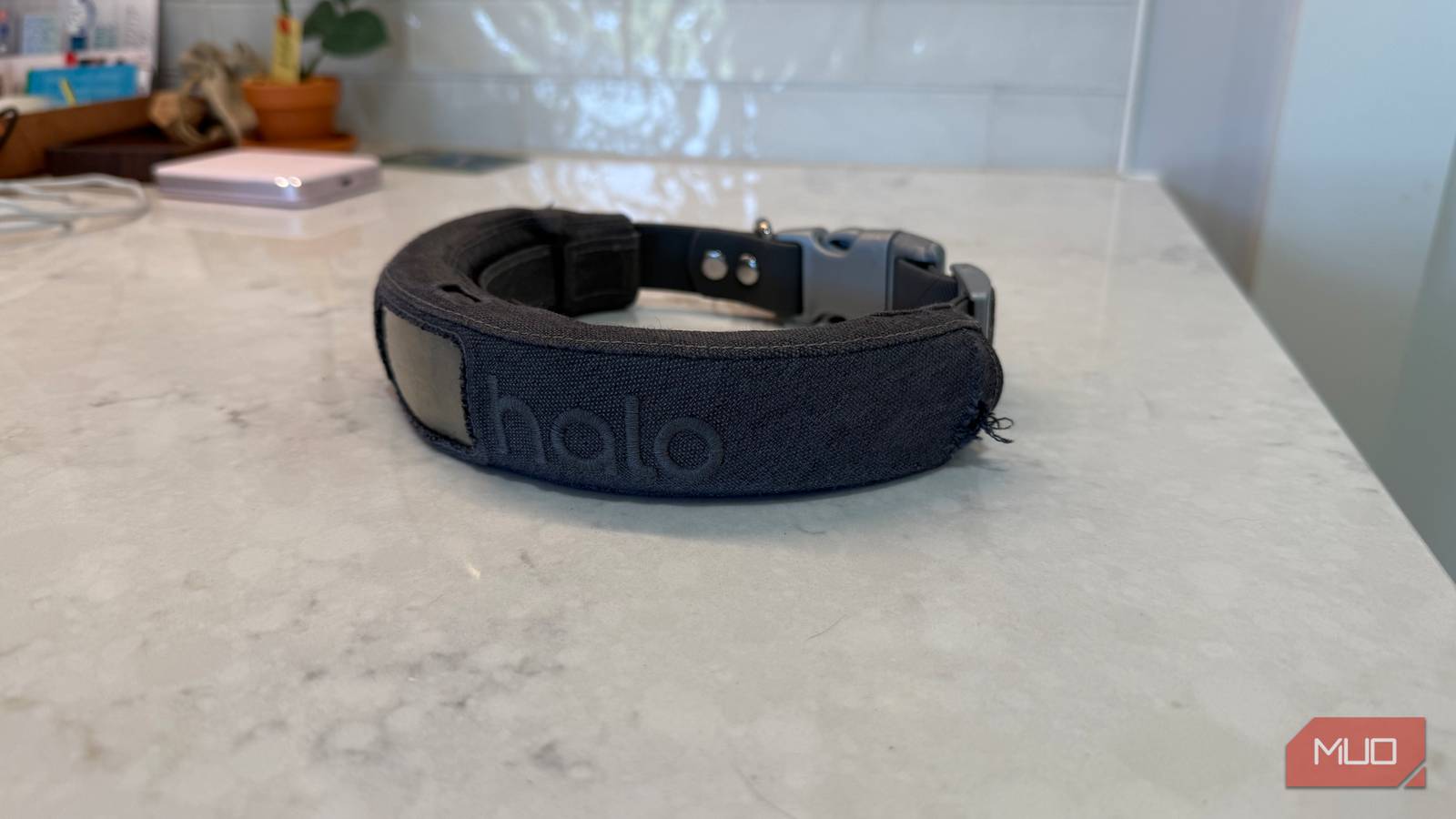
Desperate for a solution, late-night online research led to the discovery of GPS dog collars, particularly the Halo Collar. The concept was intriguing: a collar using GPS technology to create invisible boundaries, eliminating the need for physical installation. This involved mapping the property line using a smartphone, which then instructs the collar where the dog is permitted.
The initial price of $549 seemed steep. Still, when compared to the massive costs associated with traditional fencing or professional buried systems, it represented a significant reduction in the financial output. The advantages extended beyond just the price, including eliminating digging, permits, and the disruption caused by construction crews.
Reading customer reviews solidified the decision. Numerous dog owners reported that their dogs adapted quickly to the system and praised its reliability. The potential for a quick and effective solution was too compelling to ignore. The Halo Collar 2 was purchased, though the latest version is now the Halo 4.
Setting Up Invisible Boundaries
The Halo Collar’s setup was surprisingly intuitive. The Halo app guides users through creating boundaries by walking the property line while tracking via GPS. This creates a digital fence tailored to precise needs. This also eliminates the need to call 811 before digging, preventing damage to gas and electrical lines that could cause damage, injury, or death, according to the 811 website.
The boundary mapping process took approximately 45 minutes, including fine-tuning adjustments around landscaping features. The app enabled precise adjustments to the boundary lines, allowing for customized zones to protect garden beds and maximize play areas.
The system’s support for multiple zones offered unique benefits. For example, Bella could be kept away from recently planted areas while still having access to the rest of the yard. Such customized zoning would be significantly more complex and costly with a traditional fence.
- Ease of Use: The Halo app simplifies the boundary creation and customization process.
- Precision: GPS tracking allows for precise boundary mapping, avoiding obstacles and maximizing play areas.
- Customization: The ability to create multiple zones enables flexible control over pet access to different areas of the yard.
Training and Adaptation
Training Bella on the New System: From Skeptical Dog to Boundary Respect
Bella’s training involved approximately two weeks, following the Halo-recommended training schedule. The collar uses audio cues, vibration, and static correction to communicate boundary breaches. Most dogs, after proper training, will only require audio warnings.
The initial days involved walking Bella on a leash around the perimeter, exposing her to the warning beeps that signaled approaching the boundary. Bella is smart, and she quickly learned that the sounds meant “turn around.” After the second week, she was respecting boundaries off-leash with only occasional audio reminders.
The system worked incredibly well. Bella does not act fearful or restricted, but naturally treats the boundaries as any other obstacle. She continues to run and play freely within her defined area.
Unforeseen Advantages
The Hidden Benefits Beyond Cost Savings: Flexibility That Traditional Fences Can’t Match
The flexibility of the Halo Collar system has proven even more valuable than initially anticipated. When hosting gatherings, Bella’s boundaries can be temporarily expanded to allow her to greet guests in the front yard. Similarly, when landscapers are working in certain areas, access can be quickly restricted to ensure Bella’s safety.
The collar has also been invaluable during vacations, enabling the creation of temporary boundaries at rental properties. This feature alone makes the collar’s cost justifiable, as Bella can enjoy secure outdoor time away from home.
With the Halo Collar, Bella enjoys access to the entire backyard, unlike a traditional fence that segments the yard. This maximizes her play area while also making mowing and other yard chores easier. Furthermore, the system is unaffected by weather, eliminating the need for wind damage repairs and maintenance after storms. The collar reliably operates as long as it’s charged.
- Adjustable Boundaries: Temporary adjustments for events or maintenance are easy to implement.
- Portability: The system works anywhere with GPS signal, making it ideal for travel.
- Full Yard Access: Dogs can utilize the entire yard without the limitations of a fenced area.
Conclusion: A Modern Solution for Modern Pet Owners
The decision to purchase the $549 Halo Collar 2 saved a $10,000-$15,000 fence installation while delivering a superior solution. Bella enjoys complete freedom within her boundaries, while the owner avoided construction hassles and gained flexibility that no physical fence could offer.
Although the Halo Collar 2 is now discontinued, the system continues to operate flawlessly, negating the need to upgrade. If you face similar fencing costs or property constraints, GPS collar technology represents a modern solution that improves on the original problem. Your dog gains freedom, you protect your budget, and everyone wins.
What do you think? Have you considered a GPS dog collar? Share your thoughts and experiences in the comments below!
Sources & Further Reading:
Original article at www.makeuseof.com


