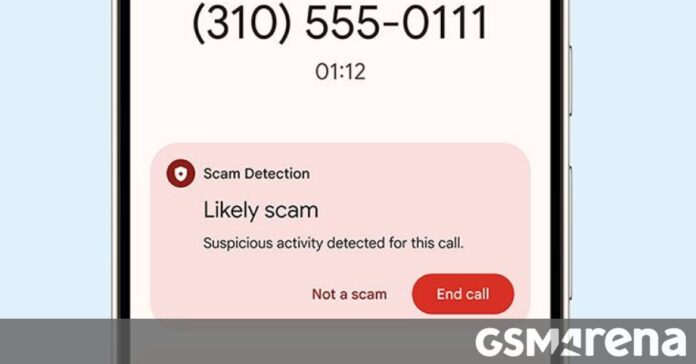

The FCC is taking aim at the root cause of spam calls by proposing significantly stricter “Know Your Customer” (KYC) requirements for carriers. Since 2016, when Google added spam warnings to Android’s phone app, the industry has tried various technical solutions — but the problem persists. Now the regulator wants to prevent spammers from getting phone lines in the first place.
Proposed KYC Enhancements
The FCC is seeking public comment on more stringent verification for new and renewing customers, potentially requiring:
- Full legal name
- Physical address
- Government-issued ID
- Multiple phone numbers for verification
Penalties Tied to Harm
Beyond prevention, the Commission is exploring how to punish carriers that violate KYC rules based on the volume of illegal calls they allow through. The goal: “ensure that penalties are based on the harm caused by callers.” Currently, carriers are required to know their customers and drop those using networks for spam or illegal activities — but enforcement has been lax.
A Holistic Approach
The FCC emphasizes that blocking spammers at signup is only part of the solution. The proposal also calls for carriers to:
- Actively block detected spam calls
- Provide consumers with better caller information so they can protect themselves
- Leverage STIR/SHAKEN authentication frameworks
Why Now?
Despite years of technical mitigations — call screening, AI-powered spam detection, STIR/SHAKEN — robocalls and spam calls remain a massive consumer pain point. The FCC’s shift toward holding carriers accountable at the identity verification level represents a more fundamental approach: if spammers can’t easily obtain phone numbers, the pipeline dries up at the source.
Source: GSMArena | FCC Proposal (PDF)


