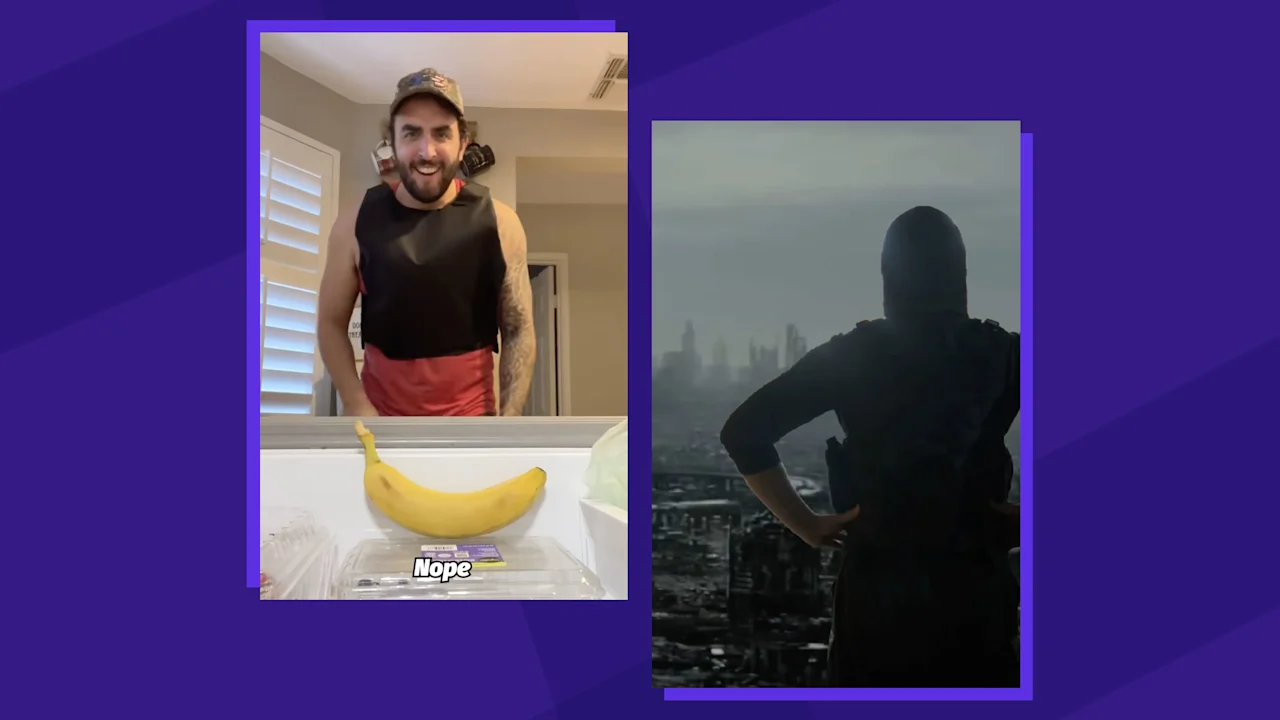

When Satire Hits a Nerve: TikTok Skits Decimate ICE Amid Minnesota Tragedy
What happens when dark humor confronts real-world brutality? As outrage surged against U.S. Immigration and Customs Enforcement (ICE) following the fatal January 7th police-involved shooting of citizen Renee Good during a Minneapolis protest, an unexpected form of dissent exploded online: blisteringly satirical “Get Ready With Me” (GRWM) videos on TikTok. Comedians like Adam Macias crafted skits portraying ICE criticism as monstrously unrepentant villains, transforming a viral format into potent political critique overnight. Garnering millions of views, these videos highlight a stark societal fracture and demonstrate social media’s capacity to amplify dissent faster than traditional protest, underscoring the intense public scrutiny facing immigration enforcement agencies over accountability and perceived brutality.
The Anatomy of a Viral Skit: Deconstructing the “GRWM ICE Agent”
Adam Macias’s video, bitingly titled “Get ready with me as an absolute piece-of-shit ICE agent,” sets the tone. It begins with grotesque imagery: “I wake up screaming and shooting. Not because I’m scared, but because my sleep paralysis demon looks like someone’s tía.” This opener uses absurdity and cultural specificity (“tía” meaning aunt in Spanish) to immediately link alleged ICE callousness to the trauma inflicted on Latino communities. Recurrent motifs hammer the point:
- The Metaphor of Uncleanliness: “I start the day off with a shower, but no matter how hard I try, I just can’t seem to get clean,” followed later by a second shower. This visceral imagery symbolically represents the perceived impossibility of washing off guilt or moral stain associated with aggressive deportation tactics.
- “Self-Defense” as Delusion: The character’s vocal warm-up consists of repeatedly shouting “Self-defense! Self-defense!” while staring in the mirror. This satirizes justifications often used to defend violent encounters and implies profound self-deception on the agent’s part. According to Amnesty International, excessive force remains a recurring criticism against ICE, complicating genuine self-defense claims (Amnesty International Report on Policing).
- Deportation as Mundane Betrayal: The punchline, “My commute isn’t far because I’m literally about to go deport my neighbor,” frames ICE actions as deeply personal acts of treachery, shattering community bonds and exploiting proximity.
Catalyzing Outrage: The Minneapolis Shooting and Its Immediate Aftermath
The satirical firestorm drew oxygen from a deeply disturbing real-world event. On January 7, ICE agent Jonathan Ross fatally shot Renee Goodman outside her vehicle as she protested ICE operations near Shuang Hur supermarket. Eyewitness accounts and emerging details sparked a powder keg of community anger. Key elements intensified the backlash:
- The Victim: Good was a community activist identifiable and well-known locally, amplifying the sense of personal loss and outrage.
- Context: Protesters were actively demonstrating against ICE’s aggressive tactics in communities of immigrants and refugees in the Twin Cities. Shooting a protester amidst this specific protest felt emblematic.
- Rapid Mobilization: The tragedy instantly galvanized activists. Thousands poured into Minneapolis streets over the following weekend for the “ICE Out of Minnesota” rally and march, demanding accountability and systemic reform. The ACLU of Minnesota documented extensive participation and condemned the killing (ACLU MN Response).
This potent offline energy fused seamlessly with the burgeoning online satire, legitimizing the dark humour as a form of collective grieving and protest.
TikTok: The Megaphone for Mass Dissent
The signature power of TikTok lies in its immediacy, algorithmic amplification, and mastery of accessible formats like the GRWM. Comedians seized this template to deliver scathing critiques directly to millions, bypassing traditional media gatekeepers. Macias’s video was just the tip of the iceberg.
Another creator skyrocketed to viral fame (nearly 3 million views) with “How ICE agents wake up in the morning,” featuring lines dripping with bitter sarcasm: “Wow, what a lovely, beautiful day to harass people who are at work.” This directly countered narratives framing ICE agents as dutiful protectors, implying their work inherently constituted harassment.
Even more chillingly


