
Is Your Scale Secretly Judging You? Beyond Weight Health Tracking Unpacked
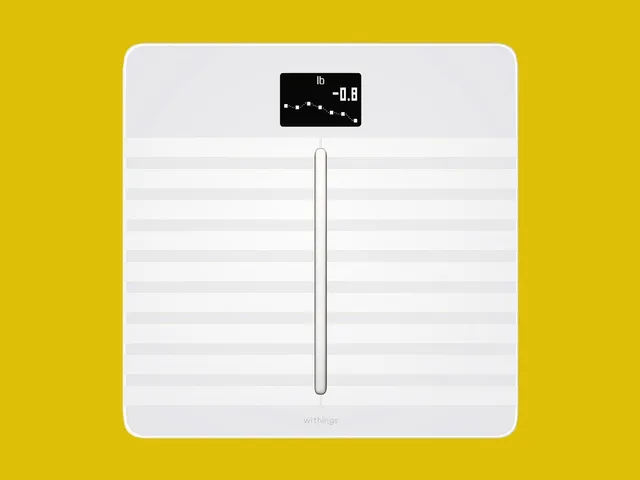
Ever step onto your bathroom scale and instantly feel that familiar knot of dread? You’re not alone: nearly 70% of Americans report feeling anxious about weighing themselves, fearing judgment—not from others, but from a piece of glass and metal. That exact tension struck me when Factor, HelloFresh’s gourmet meal delivery service, offered subscribers a free $200 body-scanning scale if they signed up before March’s end. My initial reaction? Pure panic. But this pairing—precision nutrition and cutting-edge biometrics—unveils a smarter approach to wellness. Factor meal kits swear by chef-crafted, protein-packed freshness shipped cold (never frozen), priced around $14-$15 per meal plus shipping. Combined with Withings’ smart scale tracking muscle gain, fat loss, and even arterial health, it reshapes how we understand our bodies. Forget mere weight—we’re talking comprehensive health snapshots delivered alongside your gluten-free turkey meatballs.
Beyond Microwave Dinners: Factor’s Culinary Appeal
Factor defrosts stale perceptions about prepared meals. While advertised for quick microwave revival, testing revealed a game-changing twist: air frying resurrects textures like caramelized crusts and tender poultry far better. Using a Ninja Crispli transforms dishes from functional fuel to craveable cuisine crucial for diet adherence. But where Factor truly shines is its nutritional engineering designed for dual audiences:
- Low-Carb Enthusiasts: Meals typically contain under 15g net carbs, leaning heavily into vegetable bases and lean proteins like herb-roasted salmon or BBQ chicken.
- Muscle-Focused Athletes: Options exceed 35g of protein per serving—critical for hypertrophy and repairing microtears from training.
Studies confirm high-protein diets preserve muscle during caloric deficits, making Factor strategic for physique changers. While cheaper than DoorDash ($15 vs. $25 average restaurant meal), cooking yourself saves about 40% monthly. Yet Factor targets time-starved folks prioritizing accountability via meals that eliminate temptation.
| Factor Meal Kit Cost Breakdown | |
|---|---|
| Item | Cost |
| Per serving (regular) | $14-$15 |
| Shipping per box | $11 |
| First-week discount | ~$7 per serving |
| Withings scale value (March deal) | $200+ |
The Science Footprint: Withings Body Comp Deep Dive
That “free” scale boasting 8 biometric measurements? It’s Withings’ flagship Body Comp—essentially an Apple Watch for your soles. Stand briefly with bare feet, and subtle electrical currents travel through your tissues via bioelectrical impedance (BIA). Fat, muscle, and water resist differently, calculating:
- Body fat percentage (±3-5% accuracy variance)
- Lean muscle mass distribution
- Visceral fat around organs
- Bone density and hydration levels
- Heart rate variability via optical pulse detection
Then things get sci-fi: Electrodermal sensors analyze foot sweat pores to gauge stress arousal. Pulse wave velocity measures arterial stiffness—a proven cardiovascular risk indicator validated by NIH studies. Though not diagnostic-grade, BIA devices’ consistency makes them ideal progress trackers when results trend consistently. Enter the controversy:
“DEXA scans—previous gold standards—have 3-8% body fat error margins too,” notes Dr. Aaron Cypess (Mayo Clinic). “Smart scales democratize accessibility while flagging health shifts earlier.”
But skeptics caution hydration or foot calluses skew results—dietitian Emily Field warns patients data should prompt professional consultations, not dictate actions.
Scaling Anxiety: My Naked Truth
Facing multiple stats at once terrified me. What if visceral fat was hazardous? What if my “arterial age” surpassed my real age? My scale avoidance mirrored deeper fears about confronting truths avoided. Using the scale daily revealed surprising insights:
- Stress scores reliably spiked before deadlines
- Hydration trends reflected water intake diligence
- Muscle increased 4% after consistent gym sessions
Instrumentalizing data dissolved dread—turning guilt into actionable insight. Crucially, Factor’s meals synced with these goals: Salmon bowls buoyed muscle scores while veggies lowered bloating.
Value Assessment: Scale-Centric Nutrition Worth Buying?
Factor’s $15-per-meal premium seems steep versus grocery runs, but bundling it with Withings’ $200 scale slashes its effective cost. Beyond hardware savings, consider holistic value:
- Evaluation: At 2 meals daily, weekly cost hits $230+ ($15×14+$11 shipping)—viable if restaurants were regular expenses.
- Psychological ROI: Meal rituals paired with daily objective feedback reinforce habit loops.
- Accuracy vs. Alternatives: While cheaper scales measure weight, Body Comp rivals wearables like Fitbit Aria Air (which lacks vascular health metrics).
Nutritionists agree meals require dietary rigor regardless; Factor excels with macros tailored to workout recovery without ingredient guesswork. But it’s unsustainable long-term without lifestyle integration—use Factor as a bridge, not a crutch.
Verdict: A Balanced Plate Needs Balanced Data
After tasting Factor’s buffalo chicken and decoding body-fat shifts via Withings, I grasped why pairing nutrition with biometrics transcends vanity metrics. Weigh-ins became empowering—not punitive—highlighting gut health improvements and incremental gym triumphs. Factor simplifies calorie-conscious training fuel, while BIA scales reveal hidden variables pondered by health journals like The Lancet. Grab the March deal using code WITHINGSCOMP; then air-fry everything and recalibrate your health narrative. Aren’t you curious what these gadgets say about your habits? Drop your thoughts below—scale cynics and converts welcome!


