
Unlocking History’s Vault: Can Copyright Expiration Revolutionize Gaming This Year?
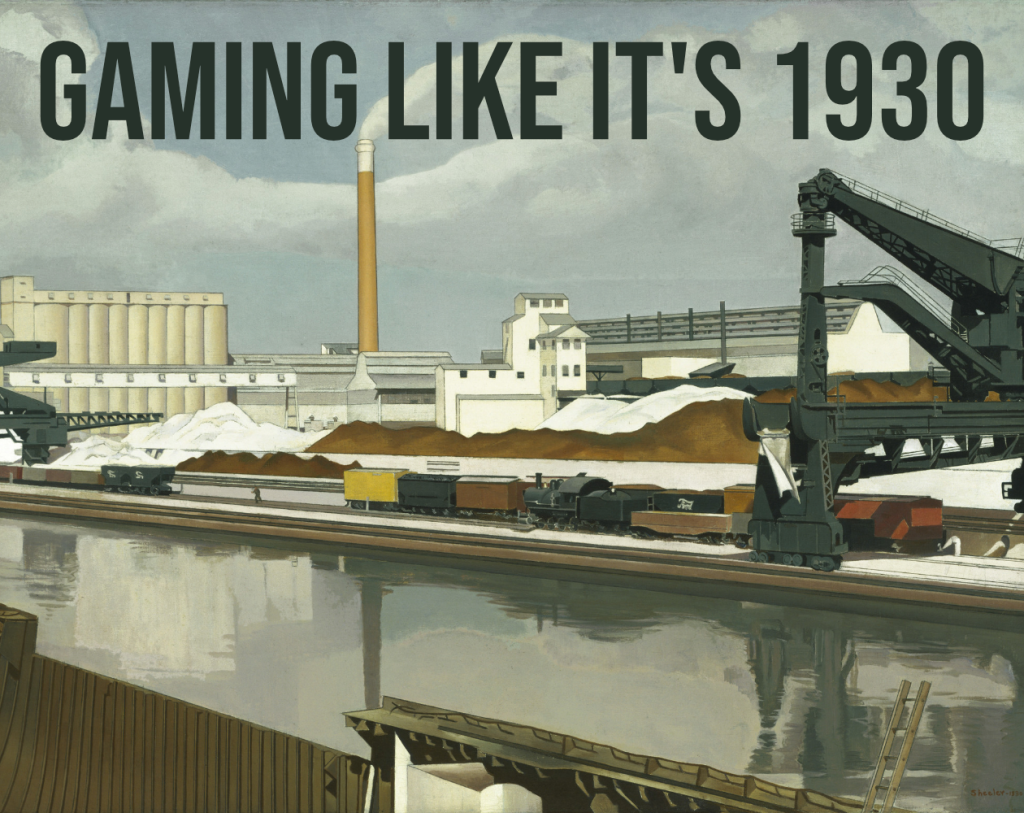
Every January 1st, a cultural treasure trove silently opens. What happens when iconic characters, stories, and creativity born nearly a century ago become legally free for anyone to use, reinterpret, and rebuild? This Public Domain Day marks an exciting milestone: a brand new decade of global creativity unlocks, starting with works published in 1928 (entering the US public domain in 2023). At the forefront stands the annual “Gaming Like It’s 1930” public domain game jam, launching its latest edition this New Year’s Day. This initiative isn’t just about making games; it’s a vibrant testament to the power of cultural renewal. By transforming forgotten or iconic 1930s media into fresh interactive experiences, developers worldwide celebrate accessibility and fuel a unique renaissance in public domain gaming.
Gaming Like It’s 1930: Welcoming a New Decade of Creativity
This year’s public domain game jam carries special significance. As works first published in 1928 become freely usable in the US, it kicks off the public domain material originating from the entire 1930s decade. This influx represents a vast reservoir of potential source material, ranging from literature and music to film and illustrations. The Copyright Office shift signifies more than just legal access; it symbolizes the ongoing enrichment of our shared cultural commons. Gaming jams like this harness this potential directly, encouraging creators to actively engage with history and reinterpret it through the modern lens of interactive storytelling and gameplay mechanics. The jam serves as a catalyst, proving that expiration isn’t an end, but a dynamic new beginning for creative works.
Navigating the Gaming Like It’s 1930 Jam: Dates & Dynamics
Running from January 1st until January 31st, this year’s iteration follows a proven, accessible format hosted on itch.io. Participants sign up via the official itch.io jam page, which details the straightforward rules emphasizing the core requirement: entries must be games primarily inspired by and incorporating works published in the year 1930. This timeframe ensures everyone taps into the same historical moment.
- Platforms: Entries can be digital or analog (board games, card games).
- Engagement: Developers are encouraged to dig deep beyond the obvious, seeking inspiration directly from original 1930s sources.
- Prize Pursuit: Beyond overall winners, specific accolades like “Best Deep Cut” actively incentivize discovering lesser-known public domain games source material, rewarding genuine historical exploration.
This structured yet open framework empowers creators of all skill levels to participate meaningfully.
The Exciting Journey: Unveiling Treasures from 1930
The heart of this public domain gaming jam lies in the thrilling discovery process. While organizers provide a list of potential source inspirations, the real magic happens when participants embark on their own archaeological digs:
- Beyond Mickey: While notable 1930 publications include early Mickey Mouse cartoons like “Plane Crazy” (though Mickey himself isn’t fully public domain yet), this barely scratches the surface.
- Internet Archive: The suggested goldmine is searching Internet Archive specifically for items dated 1930. This unlocks a staggering array of forgotten novels, pulp fiction magazines, academic journals, sheet music, photographs, political cartoons, and ephemera.
- Examples of Potential Gems:
- Dashiell Hammett’s groundbreaking hardboiled detective novel “The Maltese Falcon” (serialization).
- Film classics like “All Quiet on the Western Front”.
- Countless lesser-known newspaper articles documenting the Great Depression’s early years.
- Jazz compositions and illustrations now free for sampling or visual adaptation.
Discovering an obscure 1930s science fiction story, a political pamphlet, or a unique art deco advertisement can become the spark for a truly unique game. As research by organizations like Creative Commons highlights, unlocking these materials fuels unprecedented forms of remix and innovation.
Drawing Inspiration: Learning from Past Masters
For newcomers or veterans seeking direction, the “Gaming Like It’s…” series offers an invaluable resource: a curated history of success. Previous years’ winners provide concrete blueprints for excellence:
- Winner Showcases: Detailed analysis exists for past jams (e.g., Gaming Like It’s 1929, 1928, etc.), dissecting winning entries. Exploring these reveals diverse approaches:
- Direct narrative adaptations.
- Satires or critiques leveraging historical themes.
- Clever mechanics built around specific media formats (e.g., games based on old radio shows or comics).
- Abstract interpretations capturing the artistic feel of the era.
- Spotlight Posts: Deep-dive articles often accompany winning entries, explaining the developer’s process, inspiration sources, and challenges overcome. This transparency fosters learning and community growth.
- Evolutionary Insight: Tracking entries over the years reveals evolving trends in how developers utilize public domain gaming assets – moving from simple asset reuse to sophisticated integration of themes and historical context into unique gameplay loops.
| Exploring Public Domain Treasures for Game Jams (Examples: 1930 Focus) |
|---|
| Media Type |
| :——————– |
| Literature |
| Films |
| Music |
| Illustrations/Art |
| News/Pulp Fiction |
Why Public Domain Jams Matter: Impact Beyond the Game
The “Gaming Like It’s 1930” jam transcends simple game development. It serves crucial purposes:
- Cultural Preservation & Revival: Actively promotes rediscovery of historical cultural artifacts threatened by obscurity, breathing new life into them through interactive engagement.
- Democratizing Creativity: Levels the playing field by allowing developers and small studios to utilize high-concept characters and worlds without prohibitive licensing fees, enabling artistic freedom impossible within restrictive IP regimes.
- Educational Catalyst: Players engaging with games inspired by 1930s material inherently learn about historical contexts, artistic styles, and societal concerns of that era.
- Advocacy Through Action: Tangibly demonstrates the immense creative potential unleashed when works enter the public domain, providing powerful arguments for more balanced copyright terms.
The ongoing efforts by institutions like the Internet Archive and Public Domain Review are vital partners in this ecosystem, making the foundational material increasingly accessible.
Seize Your Piece of Gaming History
The unlocking of the 1930s into the public domain is a resounding invitation. Developers now hold keys to a vast repository brimming with untapped potential: compelling narratives etched in the past, unique visual aesthetics ripe for revival, robust heroes ready for reimagined adventures, and fascinating historical moments primed for interactive exploration. Events like “Gaming Like It’s 1930” demonstrate the tangible brilliance emerging when copyright term limits expire – unleashing hoarded creativity back into the collective mind. From the pages of forgotten pulp magazines to the flickering frames of early talkies, inspiration awaits only curiosity. Will you rediscover a relic and weave it into your next game? Registration is open, history’s vault is unlocking, and idle spectatorship is truly the only limiting factor. What forgotten gem from 1930 could spark your next creation? Dive in and discover!


