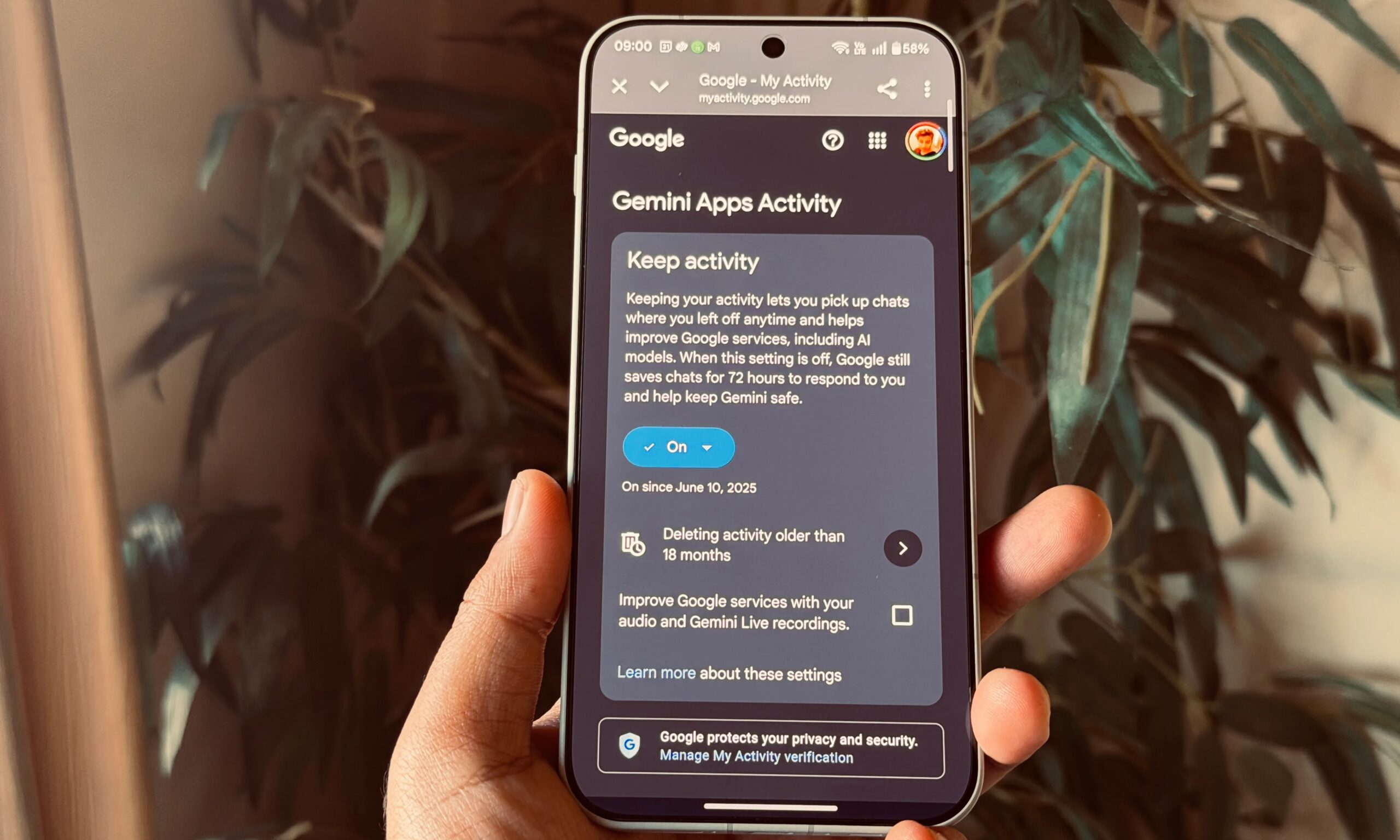

The Great AI Assistant Shift Hits a Snag: Google’s Pivot to Geminiby Drake Hokshinson
The Digits Behind the Delay
Remember when Google promised a shiny new AI assistant for your phone this year? Well, rethink that timeline. Google’s major plan to replace its dependable, decade-old Google Assistant with its smarter Gemini AI is officially delayed. Originally aiming for completion by late 2025, Google quietly updated its support pages to confirm the Android transition won’t finish until 2026. This unexpected shift means billions of users have more time with the familiar Assistant while Google tackles the complex task of rebuilding our digital help from the ground up. Why such caution? Because upgrading the backbone of Android’s interaction model isn’t simple—it’s a high-stakes gamble in the competitive AI arms race.
Gemini Rising: Beyond Voice Commands to AI Conversations
This isn’t just a cosmetic rebrand. Back in March 2024, Google announced Gemini as a quantum leap beyond Assistant. Forget rigid voice commands—Gemini represents a shift toward deep contextual awareness. Built on Google’s generative AI models, it aims to reason like a human assistant. Think free-flowing conversational ability (Gemini Live), nuanced problem-solving across apps (like drafting emails based on calendar invites), and synthesizing complex web research instantly. These aren’t incremental changes; Gemini fundamentally redesigned how AI interacts with users.
Assistant’s capabilities primarily operated within siloes. Need a weather update? Assistant delivered. Gemini asks clarifying questions: “Planning an outdoor event? The forecast shows rain—want me to reschedule appointments?” This ambition requires unprecedented integration with your entire digital ecosystem—Gmail, Calendar, Maps—raising significant technical hurdles. Researchers note generative agents blending sensor data, app context, and semantic understanding represent the frontier of AI assistance (University of Washington, “Generative Agents in Ubiquitous Computing,” 2023).
Behind Schedule? Why Google Pumped the Brekes
So why delay a flagship product? Google’s official stance centers on ensuring a “seamless” transition—but translating ambition into billions of devices is messy. Sources point to critical bottlenecks:
- Scale & Fragmentation Complexity: Android runs on over 3 billion devices across countless hardware variants. Retraining Gemini to operate reliably on everything from budget phones to Pixel Foldables takes time (Statista, 2023).
- Core Systems Integration: Replacing Assistant means rebuilding functionalities tied into Android’s core—alarms, calls, smart home controls—without disrupting users. Early beta testers report glitches in Gemini handling simultaneous requests.
- Testing Across Ecosystems: Early launches like Gemini on Wear OS watches exposed limitations in low-power environments. Refining offline capabilities without battery drain is pivotal.
This delay underscores Google’s caution: rolling back Assistant prematurely on devices used daily risks brand damage comparable to Apple’s Siri stumbles. Better to validate Gemini relentlessly before forcing the switch.
Right Now: Your Assistant Lifeline vs. Gemini’s Preview
What does the delay mean practically? For Android users:
- Assistant Stays: Continue relying on it for voice-controlled tasks—timers, smart home adjustments, navigation.
- Voluntary Gemini Access: Download the Gemini app (Android, iOS) to preview features like document analysis and creative image generation. Early adopters face limitations: no integrated routines (“Good Morning” commands) or smart home management yet.
- The Hybrid Phase: Both apps coexist awkwardly. Triggering Gemini often requires opening its app—losing Assistant’s hands-free immediacy.
Gemini vs. Assistant Today: Key Differences
| Feature | Google Assistant | Gemini Preview |
|---|---|---|
| Voice Command | Reliable | Limited |
| Conversations | Basic Q&A | In-depth chats |
| Traceability | Direct commands | Complex problem chains |
| Availability | Pre-installed | Separate app |
| Smart Home | Full Control | Minimal |
The Perfection Game: Migrating Android’s Backbone
Engineers acknowledge transitioning Assistant—integrated into Android since 2016—resembles “replacing a jet engine mid-flight.” Key hurdles include:
- API Dependencies: Assistant’s hooks into third-party services (Spotify, Uber) require Gemini-specific rewrites without breaking legacy support.
- Latency Tolerance: Users expect responses under 2 seconds; Gemini’s generative responses lag occasionally. Optimizing inference engines balancing speed and sophistication remains ongoing (MIT Tech Review, 2024).
- Privacy Safeguards: Gemini’s contextual analysis necessitates deeper data access. Ensuring this aligns with privacy regulations adds development layers.
Google’s phased rollout strategy—starting with Pixel devices—allows progressive debugging before market saturation. Similar caution applies to expanding Gemini into cars and headsets pre-loaded with Assistant.
Beyond Smartphones: Gemini’s Ecosystem Conquest
While phones headline, Google’s vision imagines Gemini weaving invisibly throughout daily life. Expect embedding Gemini in:
- Mobility: Advanced Android Auto adapting routes using real-time calendar events ≡
- Wearables: Watches proactively detecting health metrics summit respiration rate
- Smart Homes: Optimizing energy usage by linking security feed updates.
Success demands Gemini mastering offline-packaged context—thinking proactively without cloud reliance constantly
Rolling Onward: What 2026 Means
So, is this delay bad news? Not necessarily. For users, it grants breathing room to adapt. For Google, it prevents repeating hardware misfires like Pixel 6’s buggy debut. Expect Assistant functioning, albeit frozen in features, while Gemini evolves behind the scenes. Early indicators suggest accelerated progress midway through 2026 as Gemini’s integration hits critical mass across Google’s hardware ecosystem. So enjoy your Assistant shortcuts for now—they’re phased out slowly for a reason: undertaking technology’s biggest shift demands patience. Ready to give Gemini a test-run? Try the app now and see the future—imperfect glimpses included.


