
Is Nuclear Energy the Future of Cloud Computing? Amazon Bets Big on Advanced Reactors
Can a tech giant like Amazon truly revolutionize the energy sector? With increasing demands for sustainable power to fuel data centers and cloud computing infrastructure, Amazon is making a significant move into nuclear energy. The company recently shared details about its plans to support the deployment of advanced nuclear reactors in Washington State, signaling a potential shift in how corporations approach energy consumption and production. This initiative could dramatically impact the future of energy and the role of nuclear power in powering our increasingly digital world.
Amazon’s Nuclear Ambitions: Powering the Cloud with Next-Gen Reactors
Amazon’s investment in nuclear energy isn’t just a fleeting trend; it’s a strategic move to secure a reliable and cleaner energy source for its massive operations. The core of Amazon’s plan revolves around advanced, small modular reactors (SMRs), a promising technology that offers several advantages over traditional nuclear power plants.
Understanding Small Modular Reactors (SMRs)
SMRs represent a new generation of nuclear reactors designed to be smaller, more flexible, and potentially more cost-effective than their traditional counterparts. Here’s a breakdown of what makes them different:
- Size and Modularity: Unlike large-scale reactors that require extensive on-site construction, SMRs are designed to be factory-fabricated and transported to the installation site. This modularity reduces construction time and costs.
- Safety Features: Many SMR designs incorporate passive safety features that rely on natural forces like gravity and convection to shut down the reactor in case of an emergency, reducing the reliance on active systems and human intervention.
- Scalability: SMRs can be deployed individually or in clusters to meet specific energy demands. This scalability makes them suitable for a variety of applications, from powering small communities to supporting large industrial facilities.
Amazon’s agreement with Energy Northwest, a consortium of public utilities in Washington, aims to develop up to 12 advanced reactors by the early 2030s. Once completed, Amazon will have the right to purchase electricity from the initial 320-megawatt phase of the project. The remaining capacity will be available for Amazon and local utilities. This investment reflects Amazon’s long-term commitment to renewable energy and its ambition to reduce its carbon footprint.
Cascade Advanced Energy Facility: A Glimpse into the Future
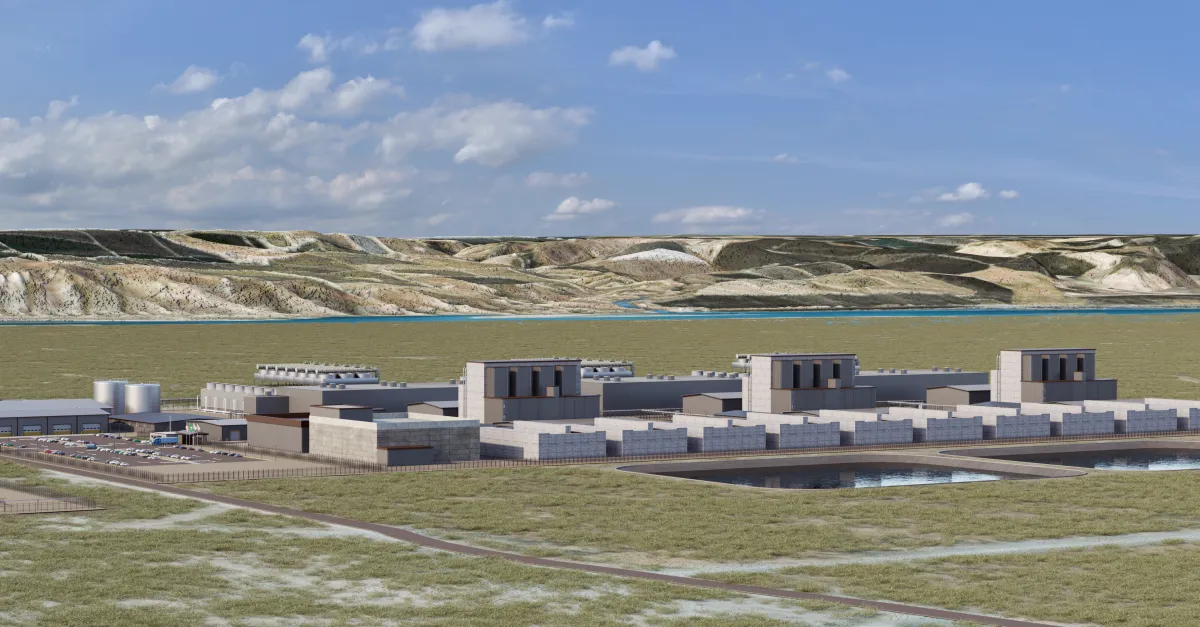
Amazon provided rendered images of the proposed Cascade Advanced Energy Facility, slated for development near Richland, Washington. This facility will comprise three sections with a combined capacity of 960 megawatts, enough to power approximately 770,000 homes in the US.
One of the key selling points of SMRs is their compact footprint. While a traditional reactor with a similar capacity might occupy more than a square mile, the Cascade facility is projected to cover just a few city blocks. This reduced land requirement makes SMRs a more viable option for densely populated areas or regions with limited space.
The Economic Impact: Jobs and Investment
The Cascade facility is expected to create approximately 100 permanent jobs and over 1,000 construction jobs. This injection of employment opportunities into the local economy demonstrates the potential for nuclear energy to stimulate economic growth. Moreover, the construction and operation of the facility will likely attract further investment in the region.
Addressing Concerns and Challenges
While SMRs offer significant potential, several challenges and concerns must be addressed before they can be widely deployed.
Regulatory Hurdles and Licensing
Next-generation reactors are still under development and must undergo a rigorous licensing process before construction can begin. The Nuclear Regulatory Commission (NRC) plays a crucial role in ensuring the safety and security of nuclear facilities. The licensing process can be lengthy and complex, potentially delaying the deployment of SMRs.
- For further information on Nuclear Regulatory Comission and their role visit: NRC.gov
Public Perception and Safety
Public perception remains a significant obstacle for the nuclear industry. Concerns about safety, waste disposal, and the potential for accidents continue to fuel skepticism. Transparent communication, robust safety measures, and effective waste management strategies are essential to build public trust.
Waste Management and Disposal
Nuclear waste disposal is a long-standing challenge. SMRs, like traditional reactors, generate radioactive waste that must be safely stored for thousands of years. Developing innovative waste management solutions, such as advanced recycling technologies, is crucial to mitigate the environmental impact of nuclear power.
Economic Viability
The economic viability of SMRs is another critical factor. While SMRs are expected to be cheaper and easier to deploy than traditional reactors, their actual costs remain uncertain. Securing financing, managing construction expenses, and ensuring competitive electricity prices are essential to make SMRs economically attractive.
The Bigger Picture: A Sustainable Energy Mix
Amazon’s investment in nuclear energy is part of a broader effort to create a sustainable energy mix. The company recognizes the importance of diversifying its energy sources to reduce its reliance on fossil fuels and mitigate climate change.
The Role of Nuclear in Decarbonization
Nuclear energy is a low-carbon energy source that can play a vital role in decarbonizing the electricity sector. Unlike fossil fuels, nuclear power plants do not emit greenhouse gases during operation. Nuclear energy can provide a reliable and consistent baseload power supply, complementing intermittent renewable energy sources like solar and wind.
Complementing Renewables
Nuclear energy can work in tandem with renewable energy sources to create a more resilient and sustainable energy system. Nuclear power plants can provide a stable baseload power supply, while renewables can contribute during peak demand periods. Energy storage technologies, such as batteries, can further enhance the integration of renewables into the grid.
Comparison of Energy Sources:
| Energy Source | Advantages | Disadvantages |
|---|---|---|
| Nuclear | Low-carbon emissions, reliable baseload power | High upfront costs, waste disposal challenges, safety concerns |
| Solar | Renewable, abundant resource | Intermittent, weather-dependent, requires energy storage |
| Wind | Renewable, clean energy | Intermittent, noise pollution, visual impact |
| Natural Gas | Relatively low emissions compared to coal, flexible power generation | Greenhouse gas emissions, price volatility |
Conclusion: A Bold Step Towards a Sustainable Future
Amazon’s foray into nuclear energy is a bold step towards a more sustainable future. By investing in advanced nuclear reactors, the company is not only securing a reliable energy source for its operations but also contributing to the development of a cleaner and more resilient energy system. While challenges remain, the potential benefits of SMRs are significant. They offer a compact footprint, enhanced safety features, and the ability to complement renewable energy sources. As construction is planned to start near the end of the decade, the hope is that safety and sustainability will remain at the forefront.
What do you think about Amazon’s investment in nuclear energy? Share your thoughts in the comments below!
Sources & Further Reading:
Original article at www.theverge.com


