
Is the US Childhood Vaccination Schedule Under Threat? What’s Behind the Canceled ACIP Meeting
Are the life-saving vaccines our children receive at risk? The cancellation of a critical meeting of the Advisory Committee on Immunization Practices (ACIP), the body responsible for shaping the US childhood vaccination schedule, has raised serious concerns about the integrity of the process and the potential erosion of evidence-based immunization policies. This article delves into the details surrounding the canceled meeting, the controversy surrounding recent appointments to the ACIP, and the potential implications for public health. Understanding the factors influencing vaccine policy is more crucial now than ever, as misinformation and distrust continue to plague public discourse.
The Mysterious Cancellation of the ACIP Meeting
The Advisory Committee on Immunization Practices (ACIP), a key body within the Centers for Disease Control and Prevention (CDC), plays a pivotal role in shaping the landscape of immunization across the United States. Its primary function involves meticulously reviewing and evaluating the extensive body of safety and efficacy data surrounding vaccines. Based on these evaluations, the ACIP formulates evidence-based recommendations for vaccine use. These recommendations, once adopted by the CDC, effectively establish the national vaccination standards for children. Furthermore, they dictate which vaccines are required to be fully covered by federal programs and private insurance companies.
The scheduled ACIP meeting, initially slated for October 22 and 23, was abruptly removed from the calendar and replaced with a vague “2025 meeting, TBD.” This sudden change, without any official explanation from the Department of Health and Human Services (HHS), has fueled speculation and heightened anxieties among public health experts and advocates for evidence-based immunization policies. The only response from HHS press secretary Emily Hilliard was that the “official meeting dates and agenda items will be posted on the website once finalized,” offering little clarity on the reasons behind the cancellation.
Why is the ACIP Meeting So Important?
The ACIP’s recommendations carry significant weight, directly influencing the health of children nationwide. Here’s why their meetings and decisions matter:
- National Vaccination Standards: The ACIP sets the standard for which vaccines are recommended for children, ensuring widespread protection against preventable diseases.
- Insurance Coverage: Their recommendations determine which vaccines are covered by federal programs like Medicaid and private insurance, making them accessible to all.
- Public Trust: The ACIP’s evidence-based approach fosters public trust in vaccines, which is crucial for maintaining high vaccination rates.
The lack of transparency surrounding the cancellation raises concerns that political interference may be at play, potentially jeopardizing the integrity of the ACIP’s process and the evidence-based recommendations it provides.
The Shift in ACIP Composition: A Cause for Concern
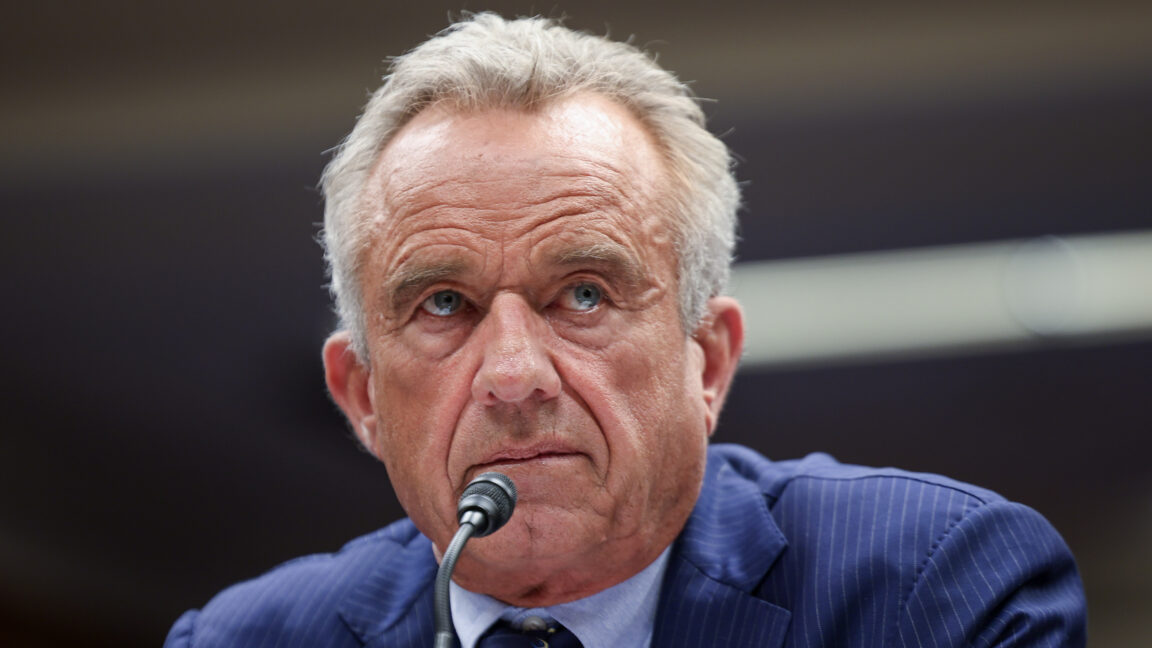
Historically, the ACIP has been comprised of highly respected and thoroughly vetted medical experts. These individuals dedicated themselves to the intricate work of immunization policy with minimal public attention. However, this changed dramatically with the appointment of Robert F. Kennedy Jr. as health secretary. Kennedy abruptly dismissed all 17 ACIP members, alleging conflicts of interest – claims that have been widely disputed. He then appointed his own selection of individuals, raising serious questions about their qualifications and potential biases.
With the exception of pediatrician and veteran ACIP member Cody Meissner, the new appointees are considered by many to be underqualified, lacking proper vetting, and subscribing to anti-vaccine sentiments. This drastic shift in the committee’s composition has sparked widespread alarm within the medical community, with critics arguing that it could compromise the ACIP’s objectivity and lead to recommendations that are not based on sound scientific evidence.
Anti-Vaccine Sentiment and the ACIP: A Dangerous Mix
The inclusion of individuals with known anti-vaccine views on the ACIP poses a significant threat to public health. Anti-vaccine activists often spread misinformation and fear, undermining public trust in vaccines and leading to lower vaccination rates. This can have devastating consequences, as it increases the risk of outbreaks of preventable diseases like measles, mumps, and rubella.
Controversial Decisions and a Lack of Understanding
The meetings held by the newly composed ACIP have been marked by controversy and a perceived lack of understanding of the data and processes involved in setting vaccine recommendations. Observers have described the meetings as chaotic, with members displaying a clear unfamiliarity with the scientific evidence and the established protocols for evaluating vaccine safety and efficacy.
The first meeting, held in June, included seven members selected by Kennedy. During this meeting, the committee controversially rescinded the recommendation for flu vaccines containing thimerosal, a preservative, based on unsubstantiated claims from anti-vaccine groups that it causes autism. It’s important to note that numerous scientific studies have debunked any link between thimerosal and autism (as further reviewed by the CDC). The panel also ominously announced its intention to re-evaluate the entire childhood vaccination schedule, placing life-saving vaccines at risk of being deemed unnecessary or unsafe.
Key Issues Arising from the New ACIP’s Actions
- Rescinding Thimerosal Recommendation: This decision, based on debunked claims, undermined public confidence in flu vaccines and set a dangerous precedent.
- Re-evaluating the Childhood Vaccination Schedule: This raised concerns that essential vaccines could be removed from the recommended schedule, increasing the risk of outbreaks.
- Lack of Expertise: The perceived lack of expertise among the new members raised doubts about their ability to make informed decisions based on scientific evidence.
The Potential Impact on Public Health
The changes within the ACIP and the subsequent cancellation of the October meeting have created a climate of uncertainty and apprehension within the public health community. The potential ramifications for public health are significant and far-reaching.
If the ACIP, under its current composition, continues to make decisions based on misinformation or biased opinions, it could lead to a decline in vaccination rates and a resurgence of preventable diseases. This would not only endanger the health of individual children but also pose a threat to the entire community, as outbreaks can quickly spread and overwhelm healthcare systems.
Furthermore, a loss of trust in the ACIP and the CDC could have a detrimental impact on other public health initiatives, as people become more skeptical of government recommendations and less likely to follow public health guidelines.
What Can Be Done?
- Demand Transparency: Advocate for greater transparency from the HHS regarding the reasons for the ACIP meeting cancellation.
- Support Evidence-Based Policies: Support public health organizations and initiatives that promote evidence-based vaccination policies.
- Educate Yourself and Others: Stay informed about the latest scientific evidence on vaccines and share accurate information with your community.
- Contact Elected Officials: Voice your concerns about the changes within the ACIP and urge your elected officials to prioritize public health.
Conclusion
The cancellation of the ACIP meeting and the controversial changes in its membership represent a concerning development for public health. The potential erosion of the evidence-based childhood vaccination schedule poses a significant threat to the health and well-being of children across the United States. It is crucial to demand transparency, support evidence-based policies, and remain vigilant in the face of misinformation. Only through collective action can we ensure that the ACIP remains a trusted source of evidence-based recommendations and that our children are protected from preventable diseases.
What do you think about the ACIP meeting cancellation and the recent changes? Share your thoughts and concerns in the comments below!
Sources & Further Reading:
Original article at arstechnica.com


