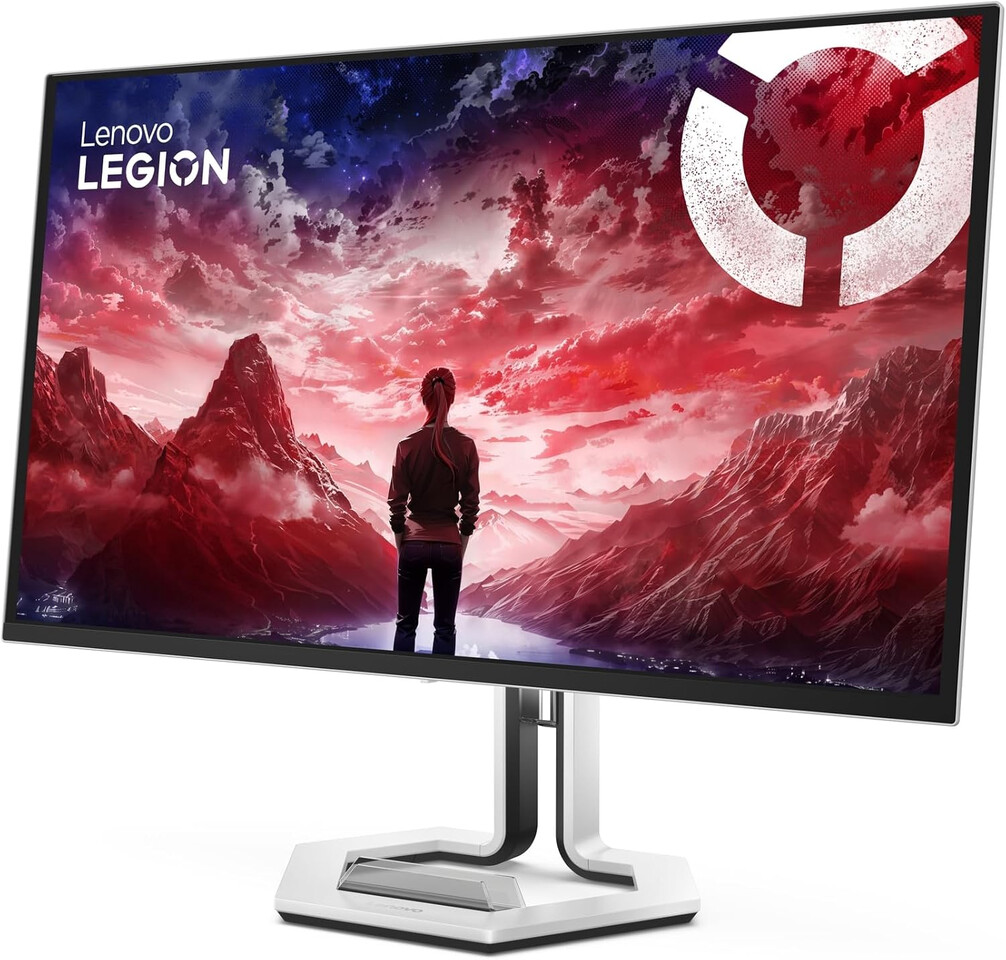

Are Lenovo’s New Legion Pro OLED Gaming Monitors the Upgrade You’ve Been Waiting For?
Are you tired of screen tearing and blurry visuals ruining your immersion in the latest AAA titles? Lenovo is poised to shake up the gaming monitor market with the upcoming release of two new OLED gaming monitors: the Legion Pro 27UD-10 and the Legion Pro 32UD-10. These monitors promise stunning visuals, blazing-fast refresh rates, and a host of features designed to enhance the gaming experience. Ahead of their official unveiling at IFA later this week, details have emerged giving us a tantalizing glimpse into what these displays have to offer.
Unveiling Lenovo’s Legion Pro OLED Gaming Monitors: A Deep Dive
Lenovo is betting big on OLED technology, and its new Legion Pro monitors look set to deliver a premium gaming experience. Let’s break down the key specifications and features of these highly anticipated displays.
Legion Pro 27UD-10 and 32UD-10: What’s the Difference?
The core difference between these two models is, as the names suggest, the screen size. The Legion Pro 27UD-10 sports a 27-inch display, while the Legion Pro 32UD-10 offers a larger 32-inch screen. Both share a similar feature set and design, making the choice primarily a matter of personal preference and desk space.
Immersive Visuals: 4K Resolution and PureSight OLED Technology
Both the 27UD-10 and 32UD-10 boast a native 4K resolution (3840 x 2160 pixels). This high pixel density translates to incredibly sharp and detailed images, bringing games to life with stunning clarity. Beyond the resolution, Lenovo is using its “PureSight OLED” technology. While the exact specifics of PureSight OLED remain under wraps, it likely involves enhancements to color accuracy, contrast, and overall image quality, leveraging the inherent advantages of OLED panels.
OLED (Organic Light Emitting Diode) technology offers several advantages over traditional LCD panels, including:
- Perfect Blacks: OLED pixels can be completely turned off, resulting in true black levels and infinite contrast ratios.
- Superior Color Accuracy: OLED panels are known for their vibrant and accurate color reproduction.
- Wide Viewing Angles: Colors and contrast remain consistent even when viewed from off-center angles.
- Fast Response Times: OLEDs offer incredibly fast response times, virtually eliminating motion blur.
These advantages make OLED an ideal choice for gaming monitors, providing a more immersive and visually stunning experience.
Blazing-Fast Performance: 240Hz Refresh Rate and Adaptive Sync
A high refresh rate is crucial for smooth and responsive gameplay, especially in fast-paced genres like first-person shooters and racing games. Both Legion Pro models offer a blistering 240Hz refresh rate, ensuring fluid motion and reducing ghosting.
In addition to the high refresh rate, both monitors support AMD FreeSync Premium Pro. This technology dynamically adjusts the monitor’s refresh rate to match the output of a compatible AMD graphics card, eliminating screen tearing and stuttering for a smoother gaming experience. Unfortunately, there is no mention of NVIDIA G-Sync support. G-Sync serves the same purpose as FreeSync but is designed for NVIDIA graphics cards. The absence of G-Sync might be a drawback for gamers who primarily use NVIDIA GPUs.
HDR Performance and Certifications
The monitors are certified with Dolby Vision and VESA DisplayHDR Black 400, indicating a level of high dynamic range (HDR) performance. Dolby Vision is a more advanced HDR format that provides dynamic metadata, allowing for scene-by-scene optimization of brightness and contrast. DisplayHDR Black 400 focuses on achieving deep black levels and improved contrast in HDR content. While DisplayHDR Black 400 is not the highest HDR certification available (DisplayHDR 600, 1000, and True Black are superior), the combination of Dolby Vision and DisplayHDR Black 400 suggests a decent HDR experience, offering richer colors and greater detail in compatible games and movies. ClearMR 13000 is also listed, suggesting clarity and detail during fast motion.
Connectivity and Ergonomics
The Legion Pro monitors offer a comprehensive selection of ports to connect various devices:
- 2x HDMI 2.1: Supports the latest gaming consoles and high-end graphics cards, enabling 4K resolution at 120Hz or higher.
- 1x DisplayPort 1.4: Connects to PCs and other devices with DisplayPort outputs, supporting high refresh rates and resolutions.
- 1x USB Type-C (with DP 1.4): Offers versatile connectivity, including DisplayPort output and potentially power delivery for charging laptops or other devices.
- 3x USB 3.x Ports: Provides convenient connectivity for peripherals like keyboards, mice, and external storage devices.
While the connectivity options are good, the lack of KVM support is a missed opportunity. A KVM switch allows users to control multiple computers with a single keyboard, mouse, and monitor. Picture-by-Picture (PbP) and Picture-in-Picture (PiP) functionalities are supported, enabling users to display content from multiple sources simultaneously.
The stand supports height, tilt, pivot, and swivel adjustments, allowing users to find the most comfortable viewing position. The inclusion of a phone or tablet holder in the stand design is a thoughtful touch, providing a convenient place to keep mobile devices within reach.
Design Quirks: The Hidden Controls
One unusual aspect of the Legion Pro monitors is the placement of the controls. According to the leaked information, the monitors feature four controls located at the back, bottom center. This location seems less than ideal, potentially making it difficult to access and navigate the menus. One of the controls is reportedly dedicated to switching between game modes, suggesting that Lenovo expects users to frequently adjust these settings.
Power Consumption and Pricing
The power consumption figures indicate that the 32-inch model consumes significantly more power than the 27-inch version. The 27UD-10 has a typical power draw of 55W with a peak of 130W, while the 32UD-10 consumes 130W typically and peaks at 175W. This difference is likely due to the larger panel size and increased brightness requirements.
Leaked pricing suggests that the Legion Pro 27UD-10 will retail for around €799, while the 32UD-10 will cost approximately €949. These prices position the Legion Pro monitors in the premium gaming monitor segment, competing with other high-end OLED displays.
Legion Pro OLED Gaming Monitors: Key Specs Compared
| Feature | Legion Pro 27UD-10 | Legion Pro 32UD-10 |
|---|---|---|
| Screen Size | 27 inches | 32 inches |
| Resolution | 4K (3840 x 2160) | 4K (3840 x 2160) |
| Refresh Rate | 240Hz | 240Hz |
| Adaptive Sync | AMD FreeSync Premium Pro | AMD FreeSync Premium Pro |
| HDR Certification | Dolby Vision, VESA DisplayHDR Black 400 | Dolby Vision, VESA DisplayHDR Black 400 |
| Ports | 2x HDMI 2.1, 1x DP 1.4, 1x USB-C (DP 1.4), 3x USB 3.x | 2x HDMI 2.1, 1x DP 1.4, 1x USB-C (DP 1.4), 3x USB 3.x |
| Typical Power Draw | 55W | 130W |
| Peak Power Draw | 130W | 175W |
| Estimated Price | €799 | €949 |
Final Thoughts: A Promising Entry into the OLED Gaming Arena
The Lenovo Legion Pro 27UD-10 and 32UD-10 represent a compelling entry into the OLED gaming monitor market. With their 4K resolution, 240Hz refresh rates, and support for AMD FreeSync Premium Pro, these monitors are poised to deliver a visually stunning and incredibly smooth gaming experience. While the lack of G-Sync support and the questionable placement of the controls might be minor drawbacks, the overall package appears to be very promising. The pricing is competitive for the OLED market. If Lenovo delivers on its promises, these monitors could be a top choice for gamers looking for the ultimate in image quality and performance.
What do you think about Lenovo entering the OLED gaming monitor space? Will you consider upgrading to one of these models? Comment below and share your thoughts!
Sources & Further Reading:
Original article at www.techpowerup.com


