
Finding the Best TV Under $500: A Guide to Affordable Entertainment
Are you one of the many consumers searching for a new TV without breaking the bank? The allure of a stunning home theater experience is undeniable, but the price tags on high-end models can be intimidating. Finding the best TV under $500 requires striking a balance between cost, picture quality, and ease of use. This guide dives into the factors that matter most, helping you navigate the market and make an informed decision without exceeding your budget. We’ll explore the trade-offs involved, focusing on key features and what to prioritize.
Understanding the Essentials: Price, Performance, and Usability
When it comes to purchasing a television, especially within a limited budget, three core aspects demand careful consideration: price, performance, and usability. These factors often influence one another, and understanding how they interact is crucial for finding the right TV for your needs.
The All-Important Price Point: Staying Under $500
The primary constraint for many shoppers is the budget. Most individuals seeking a new television are aiming for something in the neighborhood of $500 or less. While stretching your budget a bit can often yield significant improvements in performance, it’s essential to respect your financial limits. Manufacturers are acutely aware of this price sensitivity and offer a wide array of models designed to appeal to this segment. This often means carefully selecting components and features to maximize value while staying within the target price range.
Performance Matters: Picture Quality and Key Features
Picture quality is paramount. When evaluating TVs under $500, understand that compromises are often necessary. However, certain features are crucial for a satisfying viewing experience.
- Resolution: While smaller TVs (under 50 inches) might still come in HD (720p or 1080p), the TVs recommended in this guide all offer 4K resolution. This is because features like High Dynamic Range (HDR) and quantum dot technology (discussed below) are becoming increasingly prevalent in 4K models. 4K offers a significantly sharper and more detailed picture, especially noticeable on larger screens. Learn more about resolution on Wikipedia.
- High Dynamic Range (HDR): HDR enhances the contrast and color range of the picture, resulting in a more vibrant and lifelike image. Look for TVs that support HDR10, which is a common and widely supported HDR format. More advanced HDR formats, like Dolby Vision, are less common in this price range.
- Quantum Dot Technology: Some TVs utilize quantum dots to enhance color accuracy and brightness. This technology can significantly improve the overall viewing experience, especially for color-rich content. Models with quantum dots often come with a higher price tag, but they offer exceptional value for the performance boost.
- Refresh Rate: A higher refresh rate (measured in Hz) results in smoother motion, which is particularly important for fast-paced content like sports and video games. While you might not find a native 120Hz panel in this price range, some TVs offer motion smoothing technologies that attempt to simulate a higher refresh rate.
- Contrast Ratio: Contrast ratio measures the difference between the darkest blacks and the brightest whites a TV can produce. A higher contrast ratio results in a more dynamic and immersive picture.
Usability: Smart Features and Connectivity
A great picture is only part of the equation. The user experience is equally important.
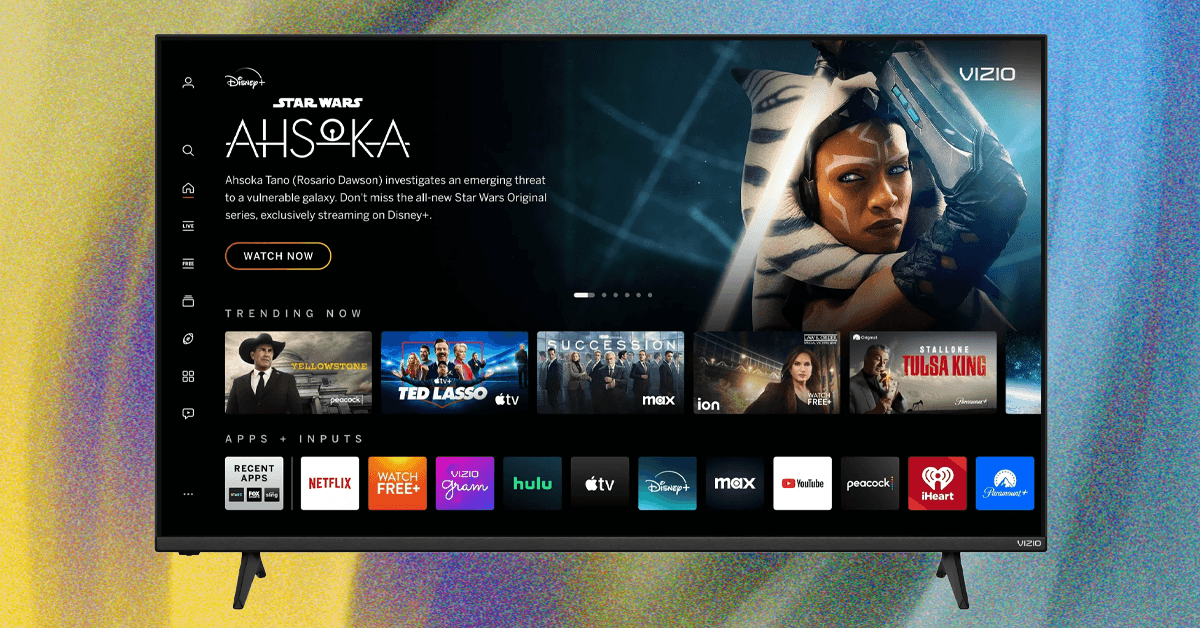
- Smart TV Platform: Most TVs today come with a built-in smart TV platform, such as Roku, Android TV, Google TV, or Amazon Fire TV. These platforms provide access to streaming services like Netflix, Hulu, Amazon Prime Video, and Disney+. Choose a platform that you find intuitive and that offers the apps you use most frequently.
- Connectivity: Consider the number and type of ports available. HDMI ports are essential for connecting gaming consoles, Blu-ray players, and other devices. USB ports are useful for playing media from external drives. Also, check for features like Bluetooth connectivity for headphones or soundbars.
- Remote Control: A well-designed remote control can greatly enhance the user experience. Look for a remote that is comfortable to hold, has clearly labeled buttons, and offers voice control capabilities.
Size Considerations: 55-Inch vs. 65-Inch and Beyond
As televisions grow larger, 65-inch models are increasingly seen as the industry standard. However, opting for a slightly smaller 55-inch TV can often provide better performance within the $500 budget. The larger you go, the more noticeable any performance imperfections become. Therefore, carefully consider your viewing distance and room size when selecting a TV size. If you sit relatively close to the screen, a 55-inch model may be perfectly adequate.
Here’s a simple breakdown to help with size selection:
| Viewing Distance | Recommended Screen Size |
|---|---|
| 6-8 feet | 55-inch |
| 8-10 feet | 65-inch |
| 10+ feet | 75-inch or larger |
Finding good TVs smaller than 55-inches is becoming challenging, especially if you desire features like HDR and quantum dot colors. Manufacturers tend to prioritize these features in larger models.
Making Trade-Offs: Where to Compromise and Where to Splurge
When buying a TV under $500, you’ll likely need to make some compromises. Here’s a guide to help you prioritize:
- Prioritize: Picture quality (resolution, HDR, contrast ratio). A sharp, vibrant picture is the most important factor for an enjoyable viewing experience.
- Compromise: Size. Opting for a slightly smaller screen (e.g., 55-inch instead of 65-inch) can allow you to get a TV with better picture quality within your budget.
- Consider: Smart TV platform. While a user-friendly smart TV platform is desirable, you can always use a separate streaming device (like a Roku or Amazon Fire TV Stick) if the built-in platform is lacking.
- Avoid: Overly aggressive motion smoothing. While motion smoothing can make fast-paced content appear smoother, it can also create an artificial “soap opera effect” that many viewers find distracting.
Catering to All Buyers and Use Cases
Manufacturers often offer various size options for their TVs to cater to a wide range of buyers and use cases. This allows consumers to choose the perfect screen size for their specific needs and room dimensions. Whether you’re looking for a TV for a small apartment, a bedroom, or a larger living room, there’s likely a model available that fits your requirements.
Conclusion: Smart Choices for Smart Shoppers
Finding the best TV under $500 involves balancing price, performance, and usability. By prioritizing picture quality, considering size constraints, and understanding the trade-offs involved, you can make an informed decision and find a TV that provides a satisfying viewing experience without exceeding your budget. While a larger screen might be tempting, remember that performance imperfections become more noticeable as screen size increases. Opting for a slightly smaller screen with better picture quality is often the smarter choice.
Ultimately, the best TV for you depends on your individual needs and preferences. What do you think? What features are most important to you when buying a TV on a budget? Comment below!
Sources & Further Reading:
Original article at www.wired.com


