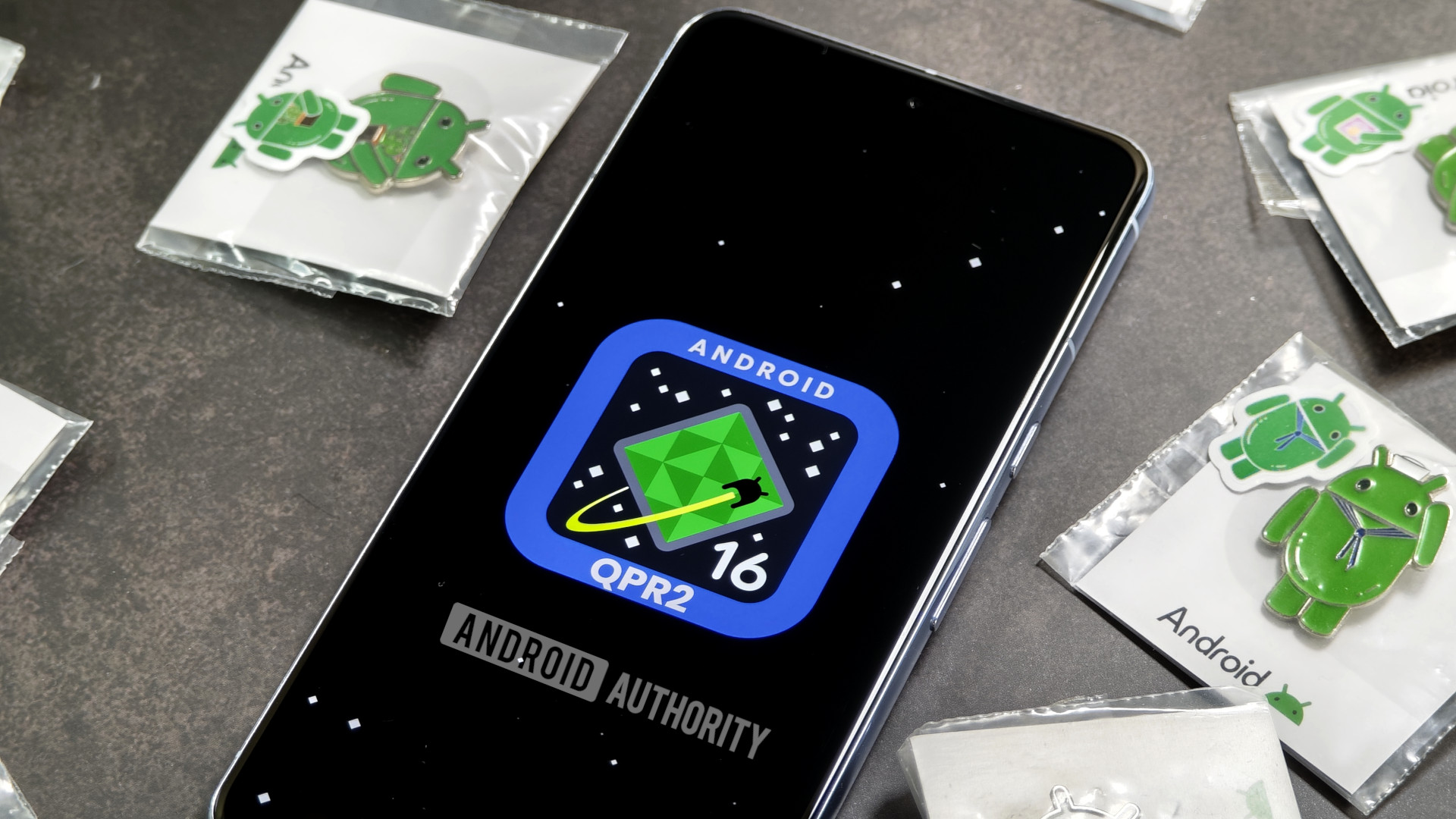

Android 16 QPR2: Unleashing AI Agents, Smarter Parental Controls, and Next-Gen UWB
Introduction
Did you know that Google is now releasing double the Android updates each year? In a seismic shift, the tech giant accelerated its OS release cadence in 2025, swapping annual updates for two focused releases: one major (Android 16) and one minor (Quarterly Platform Release, or QPR). The upcoming Android 16 QPR2—targeting a December 2025 launch—isn’t just a routine patch. It’s a stealth overhaul poised to redefine AI-driven automation, family device management, and hyper-precise wireless tech. In a digital era where 85% of smartphone interactions involve AI assistants (Statista), this release addresses critical gaps in privacy, accessibility, and real-world utility. Here’s why Android 16 QPR2 matters for developers and users alike.
Body
The Accelerated Android Release Strategy
Historically, Android’s annual update cycle churned out large monolithic releases. But in 2025, Google pivoted to biannual updates:
- Major Release (Q1/Q2): Foundation-level features and APIs (e.g., Android 16’s Gemini integration).
- Minor Release (Q4): Refinements, optimizations, and community-driven enhancements (e.g., QPR2).
This agile model lets Google integrate emerging tech trends faster—a necessity in the hyper-competitive OS landscape dominated by Apple’s iOS financial ecosystem and Huawei’s HarmonyOS. The shift also pressures manufacturers to streamline updates, addressing Android’s notorious fragmentation issues. Android’s slice of the global OS market (70.8% per StatCounter) hinges on sustaining innovation momentum.
Feature 1: AI Agents Mastering App Control
The App Functions API—A New Paradigm
Android 16 debuted the App Functions API—a developer tool allowing apps to expose core functions to AI assistants. For example:
- A food delivery app could showcase an “order pizza” command.
- A rideshare app might reveal “request ride home” to Google Gemini.
Yet, a critical flaw lingered: no granular privacy controls. Users couldn’t restrict Gemini’s access without disabling the entire assistant—high-risk for bank or health apps.
QPR2 Fix: “Agent Control” Dashboard
Digging into Android Canary builds reveals a hidden “Agent Control of Other Apps” page. Key elements:
- Granular Permissions: Toggle which assistants (e.g., Gemini, Bixby) can relay commands to specific apps.
- Privacy Alignment: Located in Settings > Privacy Dashboard, mirroring Android’s permissions model.
- SDK Requirement: Enabled only in SDK version 36.1 (QPR2’s signature).
Why this matters: App Fragmentation. Over 3.5M Android apps exist (Wikipedia), but AI can only meaningfully assist if developers adopt this API. QPR2’s controls incentivize adoption by resolving privacy fears.
Feature 2: Parental Controls for Modern Families
The Google Family Link Dilemma
Google Family Link allows remote device management—screen time caps, app locks, content filters—but with strict limitations:
- Only two parents per “family group.”
- Managing a child’s device requires sharing Google Account passwords.
- Blended or separated families risk exposing payment/data-sharing setups.
QPR2’s “Local Supervision”: Flexibility First
Android 16 QPR2 introduces PIN-based device-level controls, bypassing Family Link’s constraints:
- Direct PIN Setup: Created during device initialization.
- Recovery Options: Email reset for lost PINs; blocks factory resets.
- Multi-Adult Access: Babysitters or grandparents adjust settings with the PIN—no Google account needed.
Feature Confirmation: Chromium code commits reference a ’local supervision’ gate “in Android 16.1+” (QPR2’s version alias). Crucially, this also facilitates web content filtering on Chrome without requiring logins.
| Parental Control Shift | Family Link (Legacy) | QPR2 Local Supervision |
|---|---|---|
| Account Requirement | Google Account | None (PIN only) |
| Multi-Admins | Max 2 parents | Unlimited (PIN holders) |
| Web Filtering | Signed-in users only | Guest users supported |
Wear OS integration is also in development—essential for managing children’s smartwatches.
Feature 3: Ultra-Wideband (UWB) Revolution
Beyond “Find My Device”
Android 16 laid groundwork with its open-source Generic Ranging API (GRAPI). QPR2 supercharges it with FiRa 3.0 specifications (FiRa Consortium), enhancing:
- Hybrid Scheduling: Run multiple UWB tasks concurrently (e.g., tracking keys and paying subway fares).
- Secure Data Transfer: Dedicated airtime slices prevent interference.
- Physical-Layer Encryption: Foils signal hijacking for access control.
Real-World Use Cases Accelerated:
- Contactless transit payments (competing with Apple Wallet).
- Keyless car/hotel entry.
- Warehouse inventory tracking with centimeter precision.
UWB’s 500MHz bandwidth outperforms Bluetooth in accuracy (down to 10cm vs. 1-5m) and security. (Wikipedia)
Release Timeline & Development Insights
- Stable Launch: December 2, 2025 (target—historically fluid).
- Build Designation: “BP41″—successor to QPR1’s “BP31.”
- Beta Rollout: ~October 2025, judging by past QPR patterns.
Manufacturer Impact: Expect accelerated UWB adoption in 2026 flagships (e.g., Galaxy S26, Pixel 10). Developers should test App Functions API now to ride QPR2’s AI agent wave.
Conclusion
Android 16 QPR2 proves minor updates can drive major change. It tackles three pain points head-on: giving users control over AI actions, providing inclusive parental tools for nontraditional families, and unlocking UWB’s enterprise potential. With Gemini evolving into a true cross-app “agent,” and ultra-wideband enabling seamless real-world interactions, this release sets the stage for Android as an ambient, context-aware OS. As 3.6B+ users await these upgrades (Oberlo), the pressure is on manufacturers and developers to adapt. Will QPR2’s refinements make your 2026 Android experience smarter? Test the betas and share your take below!
(Word Count: 1,140)
Sources & Further Reading:
Original article at www.androidauthority.com


