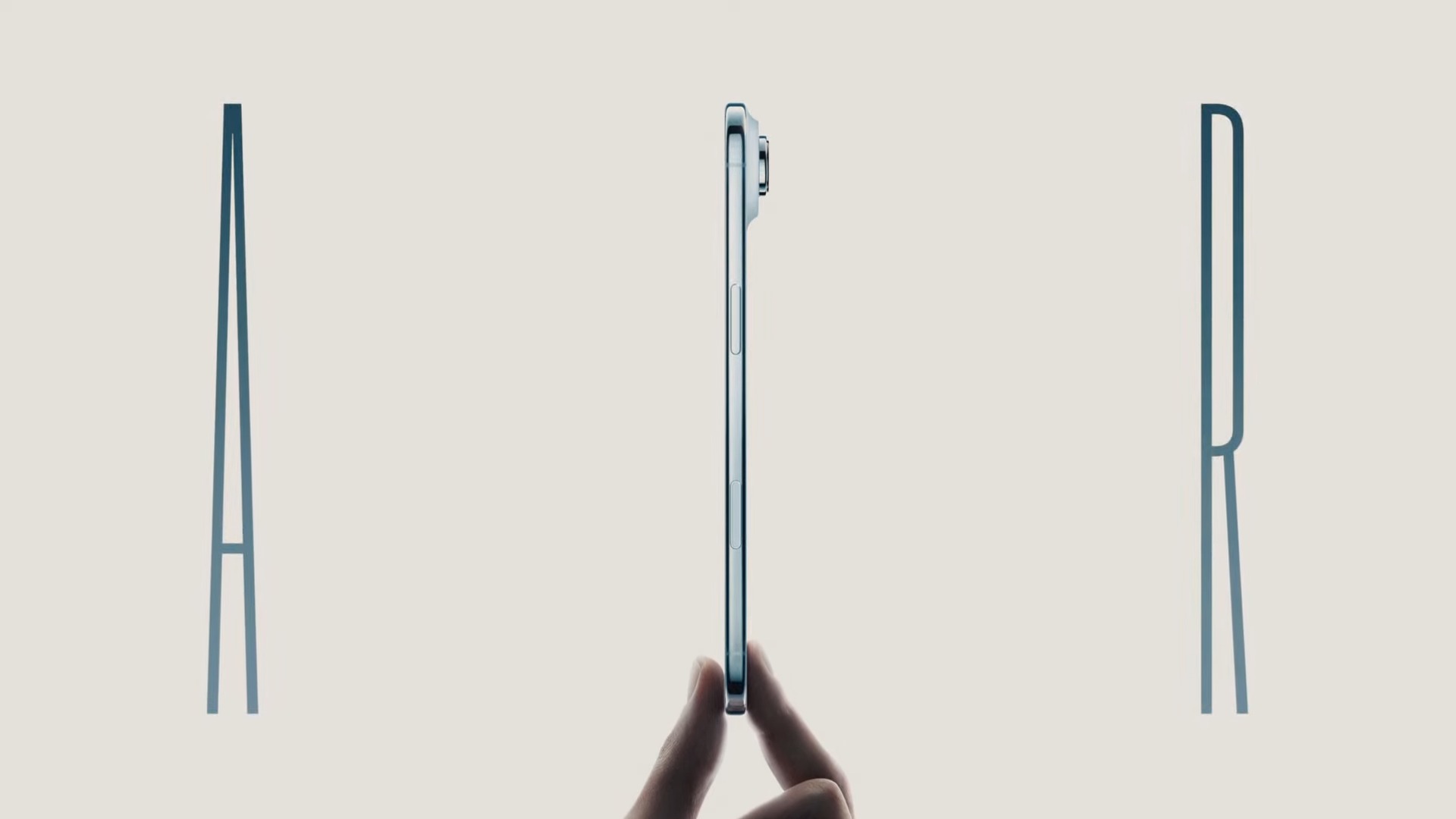

The Great Phone Thickness Debate: Should Camera Bumps Be Included in Measurements?
Is your phone as thin as manufacturers claim? The pursuit of the slimmest smartphone has reached new heights, or perhaps, new lows, with brands like Apple and Samsung battling it out for the title of “thinnest phone.” But a controversial practice is clouding the waters: excluding the camera bump from official thickness measurements. As phones like the new iPhone Air boast incredibly slim profiles, this exclusion raises the question: are we being given a true representation of a phone’s actual dimensions? This article delves into the ethics and implications of this trend, examining the arguments for and against including the camera bump in official smartphone measurements.
The Race to Thinness: Apple, Samsung, and the Future of Slim Smartphones
The smartphone industry is no stranger to trends, but the relentless pursuit of thinness seems to be a constant. The recent releases of the rumored Samsung Galaxy S25 Edge and the Apple iPhone Air highlight this ongoing “phone thickness war.” Apple, reportedly touting a mere 5.6mm for the iPhone Air, is pushing the boundaries of what’s physically possible. And it’s not just standard smartphones; foldable phones are also joining the fray, attempting to achieve a sleek profile despite their complex designs.
This obsession with thinness is driven by several factors, including aesthetics, perceived portability, and marketing appeal. A slimmer phone often feels more premium and easier to handle, appealing to consumers who prioritize sleek design and ease of use. However, this drive to minimize thickness often comes with compromises in other areas, such as battery life or camera performance, which are often overlooked in favor of the headline-grabbing millimeter measurement.
The Rise of the Camera Bump: A Necessary Evil or Design Flaw?
The advent of advanced smartphone cameras has inevitably led to the proliferation of the dreaded “camera bump.” These protrusions house increasingly sophisticated lenses, sensors, and image stabilization systems that simply cannot be squeezed into the shrinking chassis of modern phones.
The camera bump presents a design challenge. While manufacturers strive for a seamless, flush finish, the physics of optics often dictates otherwise. While some manufacturers try to find a compromise, the trend is to increasingly rely on the “bump”.
The Controversy: Excluding the Camera Bump From Thickness Measurements
The central issue at hand is the practice of manufacturers excluding the camera bump when advertising a phone’s thickness. This practice, while often disclosed in fine print, can be misleading to consumers who may not scrutinize the specifications closely.
Imagine purchasing a product based on advertised dimensions, only to find that a significant portion of it protrudes beyond those dimensions. This is precisely the frustration many consumers experience with smartphone thickness measurements. They see the marketed 5.6mm figure, but the phone is significantly thicker in reality due to the camera bump.
Arguments For and Against Excluding the Camera Bump
The question of whether to include the camera bump in phone thickness measurements is multifaceted, with valid arguments on both sides.
Arguments for Excluding the Camera Bump
- Technical Necessity: Some argue that the camera bump is a necessary evil, a consequence of incorporating advanced camera technology into a slim device. They contend that focusing solely on the main body thickness provides a more accurate representation of the phone’s overall design and feel in hand.
- Transparency in Fine Print: As long as manufacturers clearly state that the measurement excludes the camera lenses or “raised part of the camera,” some believe the practice is acceptable. Consumers who care about the true thickness can then find the relevant information.
- Focus on Main Body Design: The argument here is that the thinness of the main phone body is a more important factor for ergonomics and aesthetics, as it’s the part users directly interact with most of the time.
Arguments Against Excluding the Camera Bump
- Misleading Marketing: The most significant argument against excluding the camera bump is that it’s deceptive and misleading. Many consumers are unaware of this practice and may be surprised by the actual thickness of the phone when they receive it.
- Real-World Impact: The camera bump affects how the phone sits on a flat surface, how it feels in a pocket, and how easily it can be used one-handed. These practical considerations are directly influenced by the camera bump’s presence.
- The “Snickers Bar” Analogy: As the original article points out, there’s no limit to how large a camera bump a manufacturer could add while still claiming a super-thin profile. What’s to stop a company from advertising a 5.5mm phone with a massive camera module on the back? This illustrates the potential for abuse.
- Inconsistency with Other Measurements: Other dimensions of a phone, such as height and width, are typically measured at their maximum extent. Why should thickness be treated differently?
The Poll Results: What Do Consumers Think?
The original article included a poll asking readers whether brands should include the camera bump when measuring phone thickness. The results clearly indicated a desire for more transparency:
- Yes, absolutely: 59%
- No, they shouldn’t: 7%
- They should measure with and without the bump: 34%
These results demonstrate that a significant majority of consumers believe that either the camera bump should be included in the measurement or that both measurements (with and without the bump) should be provided. Only a small minority are comfortable with the current practice of excluding the camera bump.
A Call for Standardization and Transparency
The current situation highlights the need for greater standardization and transparency in smartphone thickness measurements. Here are a few potential solutions:
- Mandatory Dual Measurements: Manufacturers could be required to list both the minimum thickness (excluding the camera bump) and the maximum thickness (including the camera bump) in their product specifications.
- Industry Standards: Industry organizations could develop a standardized method for measuring phone thickness that includes clear guidelines on how to handle camera bumps.
- Consumer Education: Tech reviewers and media outlets can play a crucial role in educating consumers about this issue and highlighting instances where manufacturers are being misleading.
| Measurement Type | Description |
|---|---|
| Minimum Thickness | Measurement of the phone’s thinnest point, excluding the camera bump. |
| Maximum Thickness | Measurement of the phone’s thickest point, including the camera bump. |
| Overall Volume | Measurement of phone that accounts for all protrusions |
Conclusion: Time for Honest Marketing of Phone Thickness
The “phone thickness war” has led to increasingly creative, and arguably deceptive, marketing practices. While the pursuit of slim designs is understandable, it shouldn’t come at the expense of transparency and honesty. Excluding the camera bump from official thickness measurements is a misleading practice that needs to be addressed. Consumers deserve accurate information about the products they are buying. By adopting clearer standards and providing more comprehensive measurements, the smartphone industry can build trust with consumers and ensure that they are making informed decisions. So, what do you think? Should manufacturers be forced to measure with the bump? Or is the current method acceptable? Share your thoughts in the comments below!
Sources & Further Reading:
Original article at www.androidauthority.com


