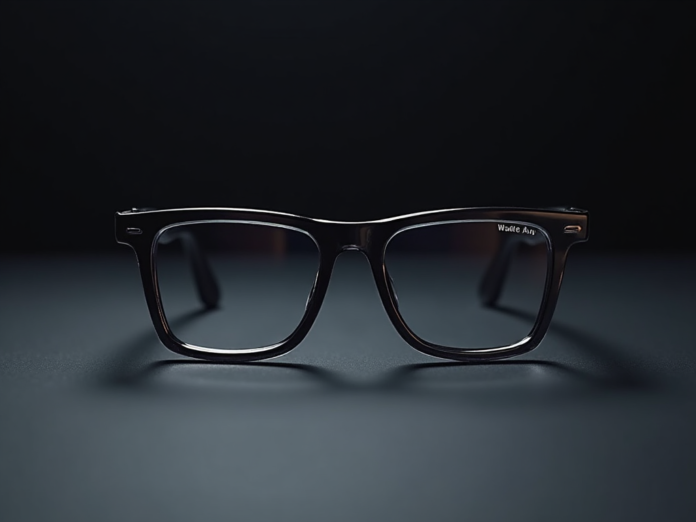

If the rumors hold true, the glasses will pack a modest suite of sensors—cameras, microphones and speakers—while relying on external AI processing to handle the heavy lifting. Nothing has built its brand around a minimalist, “see‑through” aesthetic, so the design language of the glasses is expected to echo that philosophy: lightweight frames, understated optics and a focus on how the device feels on the face rather than on raw technical bragging rights.
The smart‑glass segment is on a rapid growth trajectory. Counterpoint Research notes a 139 % year‑over‑year surge for the category in the second half of 2025, indicating strong consumer appetite. Yet Meta continues to hold the lion’s share, leaving a clear opening for a challenger that can differentiate on style, user experience and integration with Nothing’s broader ecosystem of phones, earbuds and speakers.
For a brand that has cultivated a reputation for clean design and transparent communication, entering the eyewear space feels like a natural extension. The company’s recent emphasis on hardware craftsmanship suggests that any glasses it releases will prioritize comfort and visual appeal as much as functionality. If Nothing can marry its signature minimalism with the practical demands of an AI‑enhanced visual platform, it may well convince skeptical consumers—like this writer—to give the technology a second look.
Industry analysts believe that a well‑executed, fashion‑forward smart‑glass could not only capture a slice of the burgeoning market but also act as a catalyst for broader adoption of augmented reality features in everyday life. Whether Nothing’s upcoming glasses will deliver on that promise remains to be seen, but the groundwork for a compelling new entrant is undeniably being laid.


