
The Electric Revolution on Two Wheels
Imagine replacing your car with a machine that zips through traffic, costs pennies to operate, and folds up in your apartment. That’s the promise of the modern ebike, a transportation revolution blending pedal power with electric assist. Once niche, these electric bicycles are reshaping urban mobility and recreation, offering solutions for everyone from commuters to parents hauling groceries. Yet with prices ranging from $960 to nearly $6,500, and features varying wildly, choosing the right model demands insider knowledge. Here’s what years of real-world testing – covering thousands of miles across diverse terrain – taught us.
WIRED Tested: Ebikes That Delivered
Our team evaluates dozens of electric bikes annually, prioritizing safety, durability, and real-world performance. Below are the standouts cutting through the noise:
- Aventon Level 3 ($1,899): Boasting a step-through frame and robust 70-mile advertised range (verified at ~25 miles for a 6’2″ rider), this model shines for city cruising. Features include integrated lights, fenders, a vivid display, and a geo-fencing app. Shimano gears and hydraulic brakes ensure reliability. As reviewer Parker Hall noted, its suspension fork and dual-wall construction “add comfort unmatched in this price range.”
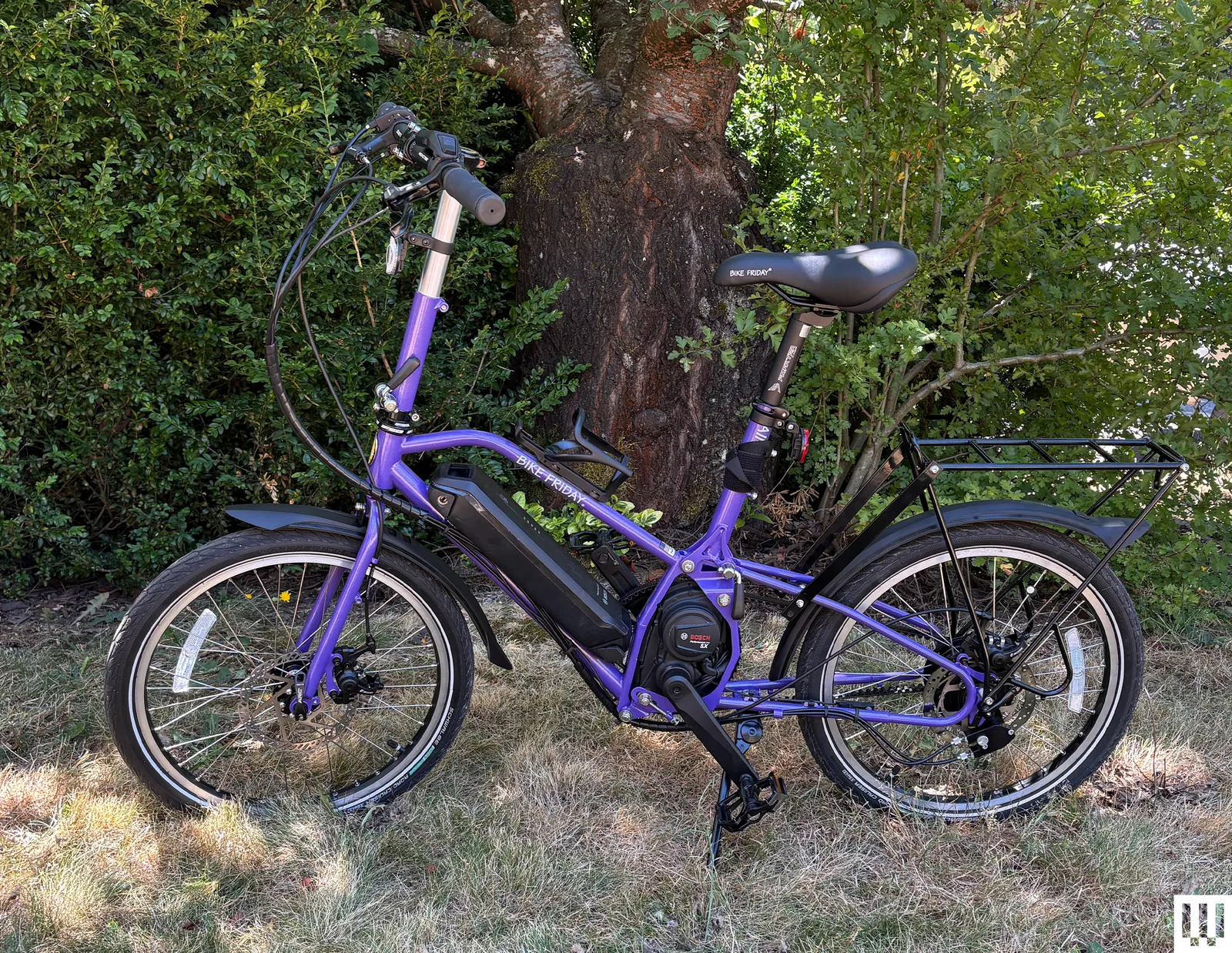
- Bike Friday All-Day ($5,600): Touted as the lightest Bosch-powered ebike, this compact folder weighs less than a suitcase yet packs surprising torque. Customization options abound but expect assembly effort. Ideal travelers prioritizing portability.
- Tenways CGO800S ($1,799): A budget-friendly step-through option emphasizing smooth torque sensing over throttle power. Its battery sustains 30+ miles comfortably but limited frame sizing (5’1″–6’3″) risks rider ergonomics. Best for flat urban commutes where cadence-triggered assist suffices.
- Xtracycle Estoker ($4,499): Portland commuters swear by its rugged Chromoly frame and 24″ wheels. Designed for riders over 5’6″, its Shimano mid-drive handles demanding routes gracefully. Perfect for inclement weather.
Performance Highlights:
| Model | Motor Type | Max Distance Tested | Key Benefit |
|——————-|—————-|———————|—————————|
| Aventon Level 3 | Hub-drive | 25 miles | Comfort/suspension |
| Bike Friday | Bosch Mid-drive | N/A | Portability/customization |
| Tenways CGO800S | Torque Sensing | 30+ miles | Budget/value proposition |
| Gazelle Eclipse¹ | Bosch Smart | N/A | Ultra-refined riding experience |
¹Despite its lofty price ($6,399), the Eclipse epitomizes Bosch engineering excellence – if budget allows.
Ebikes That Disappointed
Not every model earns our endorsement. These struggled with design flaws:
- Retrospec Jax Rev ($1,100): A stylish folder undermined by durability concerns during stress testing. Frame integrity felt compromised under load.
- Niu BQi-C3 Pro ($999): Criticized for uncomfortable ergonomics and incompatibility with essential accessories (water mounts, standard panniers). Disc brakes proved inadequate for its Class 2 speeds. Reviewer Martin Cizmar concluded: “This bike fights practicality at every turn.”
Pro Tip: Avoid direct-to-consumer brands lacking dealer support unless you’re bike-savvy. As Bicycling contributor Peter Flax highlighted, “pre-assembled bikes sidestep the rigorous validation applied by established manufacturers.”
Navigating Ebike Laws and Classes
Electric bicycle mandates vary significantly across state lines. Since U.S. regulations categorize ebikes based primarily on assist speed and throttle operation, decoding the terminology matters:
- Class 1: Pedal-assist only, max 20 mph (e.g., Linus eDutchi). Suitable for most bike lanes.
- Class 2: Throttle-enabled, max 20 mph (e.g., Radio Flyer Via Pro). Common for cargo ebikes.
- Class 3: Pedal-assist, max 28 mph (e.g., GoTrax Mustang). Typically requires helmet use; banned from certain trails.
Fact: Over 22 states utilize this tiered system, restricting higher-class ebikes from sidewalks or nature paths. Always consult PeopleForBikes state law guide before buying. Terrain also dictates specs – hilly regions demand ≥750W motors and hydraulic brakes. Flat landscapes function beautifully with 250W/Class 1 drivetrains.
Safety Protocols for Ebike Riders
Battery safety remains a focal point following isolated incidents. Key precautions:
- Charge batteries away from combustibles/temperature extremes. Never overnight!
- Inspect charging ports monthly. Never plug in swollen batteries or use non-OEM chargers.
- Secure bikes via frame locks or removable displays and utilize Apple Find My (or equivalent GPS tracking).
Our Chief Tester warns: “Never let children ride unsupervised. An 80-lb child maneuvering a 65-lb bike invites disaster; E-Bike Smarts training mitigates risks.” Partnering with the League of American Bicyclists, PeopleForBikes initiatives educate riders on responsible tech handling. Remember, helmets save lives!
Matching Your Budget to Real-World Value
Costs stall many buyers. Strategize methods to lessen burdens:
- State Incentives: Denver reimburses up to $1,200 for ebike purchases. Programs exist in Connecticut and Vermont too.
- Financing: Manufacturers partner with Affirm/PayPal; credit unions classify ebikes as “vehicles” for loan eligibility.
- Secondhand Markets: eBay/Craigslist offer used premium ebikes at 40%-60% discounts (verify battery health!).
The “sweat spot” electrifies commutes between $1,800-$3,000, blending essential specs like waterproofing, hydraulic brakes, and 40+ mile range reliably. Expensive isn’t automatically better; smart engineering trumps gimmicks.
Final Pedal Strokes
Electric bicycles redefine urban transport – blending responsibility, liberty, and outright fun. Prioritize respected manufacturers providing meticulous testing documentation and localized servicing options. Consider your financial reality alongside actual terrain challenges; your chosen electric bike should alleviate hassles, not introduce them. See how shifting from four wheels to two unlocks accessibility previously throttled by parking headaches and fuel bills. Have stories about switching paths? Explore your thoughts in the comments!
Sources:
- PeopleForBikes E-Bike Laws
- Bicycling Magazine’s Direct-to-Consumer Warning
- League of American Bicyclists Safety Certification


