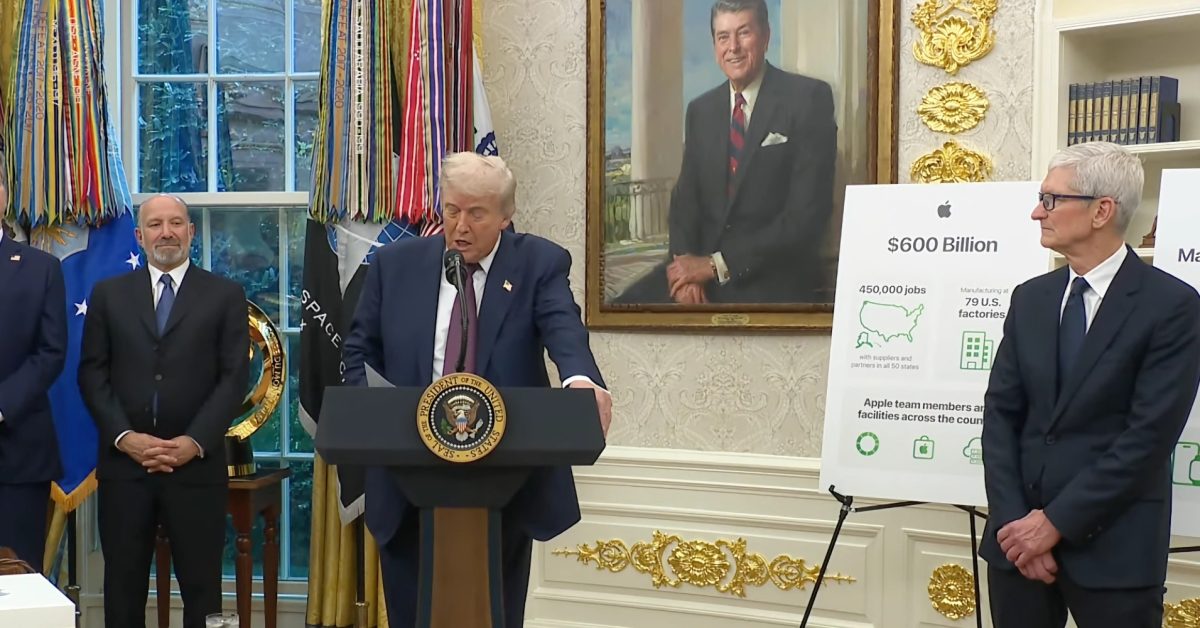

Decoding Tim Cook’s White House Visit: AI, Influence, and the Future of Tech
In an era where technology shapes every facet of our lives, the intersection of tech leadership and political influence is more critical than ever. What exactly is being discussed behind closed doors when tech titans like Tim Cook visit the White House? The answer, it seems, is increasingly focused on the transformative power of artificial intelligence. This article delves into Apple CEO Tim Cook’s upcoming White House visit, highlighting the potential implications for Apple, the broader tech industry, and the future of AI policy.
Tim Cook’s Return to the White House: A Meeting of Minds
According to reports, Tim Cook, CEO of Apple, is slated to attend a gathering at the White House, a mere 29 days after a previous visit with then President Trump. This meeting, hosted by then President Trump, will bring together some of the most influential figures in the tech world, including Meta founder Mark Zuckerberg, Microsoft founder Bill Gates, and OpenAI founder Sam Altman. The focus of this high-profile event is reportedly artificial intelligence (AI), a topic that is rapidly gaining prominence in both technological and political spheres.
A Precedent of Tech-Political Engagement
Cook’s visits to the White House are not entirely new, the reports indicate a prior visit where the CEO gifted then President Trump with a large chunk of 24k gold with a piece of glass, following Apple’s announcement of plans to manufacture all iPhone glass in Kentucky. These visits underscore the increasingly intertwined relationship between the tech industry and government. Whether it’s discussions about manufacturing jobs, trade policies, or, as in this case, the future of AI, tech leaders are frequently sought out by political figures for their insights and influence. This engagement underscores the profound impact the tech sector has on the American economy and society as a whole.
The Focus on Artificial Intelligence
The primary subject of this meeting is expected to be AI, a field that is rapidly evolving and transforming industries across the board. AI’s potential benefits are immense, ranging from advancements in healthcare and education to increased efficiency in manufacturing and transportation. However, the development and deployment of AI also raise a number of critical questions regarding ethics, bias, job displacement, and national security.
- Ethical Considerations: How can we ensure that AI systems are fair and unbiased? What safeguards are needed to prevent the misuse of AI for malicious purposes?
- Economic Impact: How will AI impact the job market? What measures can be taken to mitigate potential job losses and support workforce retraining?
- National Security: How can AI be used to enhance national security while protecting civil liberties? What regulations are needed to govern the development and use of AI in defense and intelligence?
These are just some of the complex issues that policymakers and tech leaders must grapple with as AI continues to advance.
What’s on the Agenda? Decoding the White House AI Summit
While the specific agenda for the White House AI event has not been publicly disclosed, we can speculate on some of the key topics that are likely to be discussed.
Policy and Regulation
One of the most pressing issues is the need for clear and consistent policies and regulations governing the development and deployment of AI. The European Union, for example, has taken a proactive approach with its AI Act, which aims to establish a legal framework for AI that promotes innovation while mitigating risks. The United States, on the other hand, has taken a more cautious approach, focusing on voluntary guidelines and industry standards. The meeting could be an opportunity to discuss a more comprehensive national AI strategy.
Investment in AI Research and Development
Maintaining a competitive edge in AI requires significant investment in research and development. The government plays a crucial role in funding basic research, supporting innovation, and fostering collaboration between academia, industry, and government agencies. The White House event could serve as a platform to explore potential public-private partnerships and initiatives to accelerate AI innovation.
Workforce Development and Education
Preparing the workforce for the age of AI is another critical priority. This includes investing in education and training programs to equip workers with the skills they need to thrive in an AI-driven economy. It also involves promoting STEM (science, technology, engineering, and mathematics) education and encouraging lifelong learning.
Data Privacy and Security
AI systems rely on vast amounts of data, raising concerns about privacy and security. Policymakers and tech leaders must work together to develop frameworks that protect personal data while enabling innovation in AI. This includes implementing robust data security measures, promoting transparency and accountability, and empowering individuals to control their own data.
Potential Outcomes and Implications
Tim Cook’s presence at the White House, alongside other prominent tech leaders, signals the growing importance of AI as a national priority. The discussions that take place at this event could have significant implications for the future of AI policy, investment, and regulation.
Impact on Apple
For Apple, the meeting offers an opportunity to shape the AI landscape and ensure that its interests are represented in policy decisions. Apple has been investing heavily in AI and machine learning, integrating these technologies into its products and services. Cook’s participation in the White House event allows him to advocate for policies that support innovation in AI while addressing ethical and societal concerns.
Implications for the Tech Industry
The White House AI summit could set the stage for greater collaboration between the government and the tech industry. By working together, policymakers and tech leaders can develop solutions to the challenges posed by AI and ensure that its benefits are shared broadly. This collaboration could also lead to new opportunities for innovation and economic growth.
Future of AI Policy
The discussions at the White House could influence the direction of AI policy for years to come. By bringing together key stakeholders, the event can help to build consensus around a national AI strategy and pave the way for new laws and regulations governing the development and deployment of AI.
A Golden Opportunity?
It remains to be seen whether Cook will bring another symbolic gift to the White House, perhaps a gold replica of the Apple Intelligence logo. Regardless, his presence at the AI summit underscores the importance of the tech industry in shaping the future of artificial intelligence. As AI continues to transform our world, the collaboration between policymakers and tech leaders will be essential to ensure that its benefits are realized while mitigating its risks.
Conclusion: Shaping the Future of AI, Together
Tim Cook’s visit to the White House for the AI summit is more than just a meeting; it’s a crucial step in shaping the future of technology and its role in society. The discussions surrounding AI policy, investment, and workforce development will have far-reaching implications for Apple, the broader tech industry, and the world at large. As AI continues to evolve, it’s imperative that policymakers and tech leaders work together to navigate the complex challenges and opportunities that lie ahead.
What do you think about the role of tech leaders in shaping AI policy? Comment below and share your thoughts!
Sources & Further Reading:
Original article at 9to5mac.com


