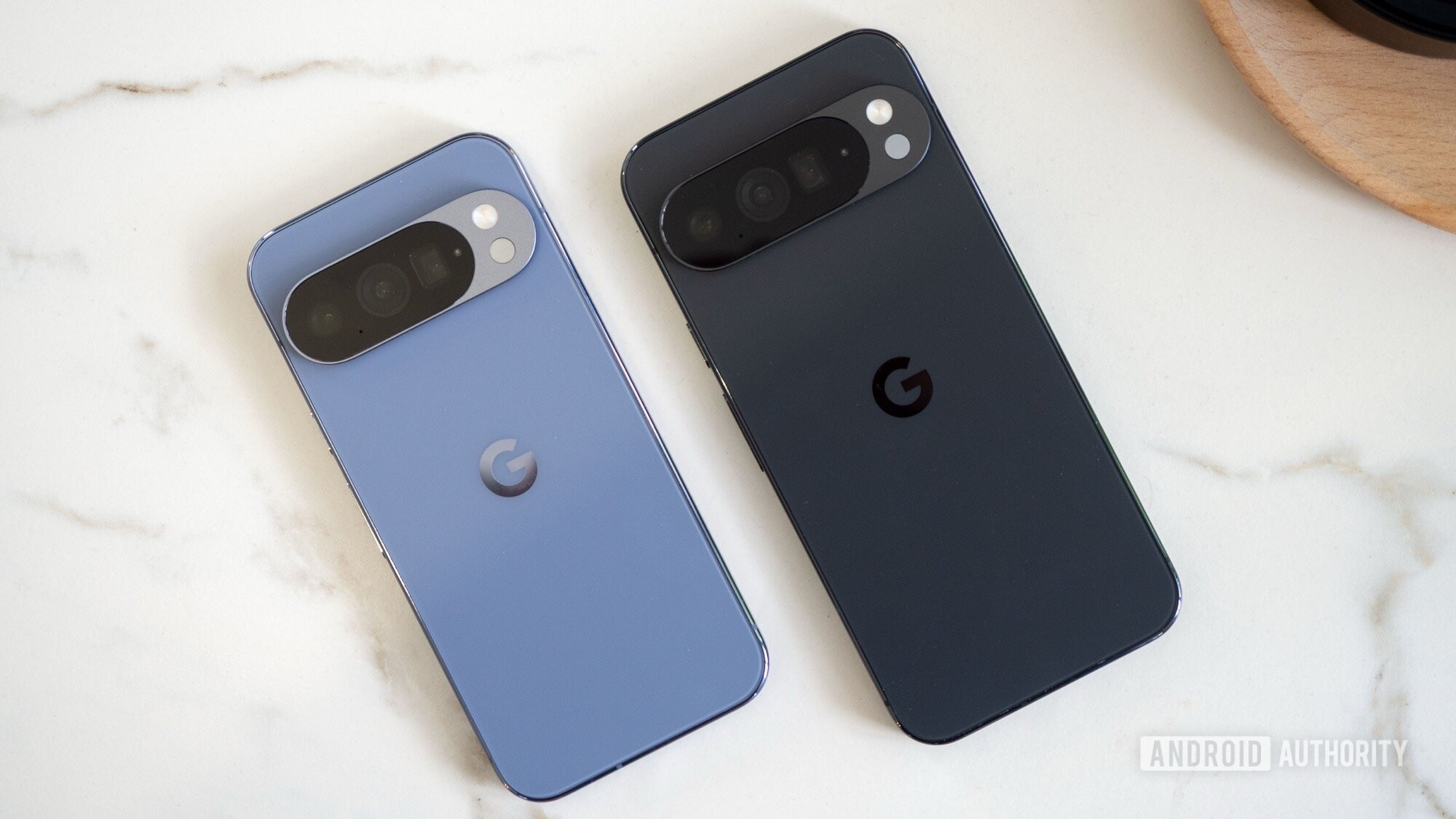

Beyond the Sticker Price: How a $1,000 Phone Became the Cheaper Choice
(Introduction – 126 words)
Would you believe that buying a $999 smartphone could save you more money than its $799 counterpart? At first glance, choosing Google’s flagship Pixel 10 Pro seems illogical compared to the standard Pixel 10, especially with a $200 upfront gap. But for tech analyst Rita El Khoury of Android Authority, this counterintuitive scenario became reality. Her deep dive into Pixel 10 Pro cost analysis reveals how bundled subscriptions can drastically alter long-term value, turning the “premium” choice into the economical one. This case study isn’t just about specs; it highlights a critical shift in evaluating tech purchases: total cost of ownership. We’ll unpack Rita’s math, explore who benefits, and why your existing subscriptions might dictate your next phone.
The Personal Paradox: “Premium” as the Economical Choice
Rita El Khoury publicly grappled with this decision on Android Authority, challenging conventional budgeting wisdom. As a self-described “tech nerd,” she initially aimed for a sub-$500 phone. The Pixel 10’s compact size and robust feature set appealed to her needs. Yet, the Pixel 10 Pro—despite its higher price—emerged as her financially sound option. Why?
The answer lies in ecosystem lock-in. Rita subscribes to Google One AI Pro ($20/month), which includes 2TB of cloud storage and advanced Gemini AI tools. This plan isn’t optional for her; it’s essential for managing work documents, personal data, and daily AI assistance. Google’s promotional bundle changed everything:
- The Pixel 10 Pro includes a free 1-year Google One AI Pro subscription (value: $240).
- The Pixel 10 includes only a 6-month basic Google One plan (no AI Pro access).
This discrepancy transformed Rita’s cost landscape. She’d pay $240 yearly to maintain her current AI Pro access anyway. Suddenly, the $200 Pro premium vanished when weighed against the subscription benefit.
Pixel 10 vs. Pixel 10 Pro: A Spreadsheet Reality Check
Let’s dissect Rita’s comparison, which hinges on first-year total ownership costs (hardware + essential subscription):
| Cost Factor | Pixel 10 | Pixel 10 Pro |
|---|---|---|
| Device Price | $799 | $999 |
| Google AI Pro Year 1 | $240 (paid separately) | $0 (free yearly sub) |
| Total Year 1 Cost | $1,039 | $999 |
Net Result: Choosing the Pixel 10 Pro saves $40 over 12 months while delivering hardware upgrades, including:
- 30% brighter display (critical for outdoor use)
- Double the RAM (12GB vs. 6GB) for better multitasking
- Enhanced camera sensors and AI processing
Rita’s analysis extends beyond specs, factoring in lifetime value. If she keeps the phone 3 years, the calculus deepens:
- Pixel 10 Pro saves $240 in Year 1, then $240/year thereafter.
- Pixel 10 requires ongoing $240 yearly payments, potentially totaling $720 extra over 3 years.
Who Actually Wins Here? The Narrow Beneficiary Profile
Rita clarifies her Pixel value analysis is not universally applicable. This scenario only makes “Pro” cheaper for users who:
- Already subscribe to Google One AI Pro ($19.99/month tier).
- Plan to maintain this subscription throughout their phone’s lifespan.
For others, the $799 Pixel 10 remains the rational choice. Consider these groups:
The Casual User:
- Needs only basic cloud storage.
- Google’s 100GB plan ($1.99/month) costs $23.88 yearly—making the Pixel 10 cheaper long-term.
The AI Skeptic:
- Avoids subscriptions and prefers local storage.
- The subscription holds $0 value regardless of bundle.
The Spec-Focused Buyer:
- Wants the Pro for its superior camera/display alone.
- The subscription is a bonus, not a cost-saver.
Industry analysts note this mirrors strategic subscription bundling from Apple and Samsung. Apple bundles Apple TV+/Apple Arcade with devices to incentivize ecosystem loyalty, while Samsung includes Microsoft 365 subscriptions with its flagship Galaxy products. As TechInsight reports, bundling retention rates exceed 70% post-trial.
The Wildcard: Older Models and Emotional Tech Lust
Rita’s deliberations reveal another layer: generational compromises. While the Pixel 10 Pro offers calculated savings, older models deliver instant cash preservation:
- Pixel 9 (~$500): Saves ~$735 over the Pixel 10 Pro in year one when including the value of the free AI Pro subscription.
- Pixel 9a (likely $400-$450): Savings approach 60% compared to the Pixel 10 Pro.
Despite favoring the Pixel 10 Pro financially, Rita admits emotional conflict. The “tech nerd” within craves cutting-edge AI features (like real-time video enhancement tools) exclusive to the Pixel 10 series. Yet, pragmatism pulls toward the Pixel 9. It’s a battle between spec-driven desire versus economical sensibility. Community polling reflected this tension:
| **Choice** | **Vote %** |
|————————————-|————|
| Pixel 10 Pro | 75% |
| Pixel 9 | 0% |
| Pixel 9a | 0% |
| Something Else | 25% |
This 75%-25% split highlights a key insight: Savvy buyers prioritize free recurring value that offsets hardware premiums.
Decoding Tech Marketing’s Subscription Gambit
Google’s strategy aims to boost retention and revenue—Big Tech’s profit compass increasingly points to services:
- Google Cloud revenue hit $9.2B last quarter, driven by subscriptions (Google Q4 2023 Earnings Report).
- Bundling software with hardware locks users deeper, increasing barriers to switching ecosystems.
For consumers, the implications are profound. Rita’s dilemma is a microcosm of modern tech purchasing. Success demands holistic cost modeling:
- Map existing subscription costs.
- Compare bundles against your monthly service fees.
- Factor in hardware upgrade value, not just specs.
A 2023 Kantar Consumer Tech study found subscribers overpay $118/year on unused services. Smart buyers audit subscriptions pre-purchase—Rita’s $240/year AI Pro need made her bundle invaluable. Would your Spotify or Adobe Creative Cloud justify a pricier phone? The math applies universally.
(Conclusion – 142 words)
Rita El Khoury’s Pixel paradox teaches us that “cheap” upfront costs can deceive. The Pixel 10 Pro won not on specs alone, but through a bundled AI subscription that—for a specific user—neutralized its higher price and added functionality. This scenario demands we analyze smartphones as multi-year investments: Software bundles, trade-ins, and ecosystem reliance determine true affordability far more than today’s price tags. Not everyone needs a Pixel 10 Pro, and the Pixel 9 series (or rivals like Samsung’s Galaxy S24 FE when announced) may offer better savings if subscriptions aren’t central to your workflow. Ultimately, victory lies in personalized math. So, what’s your tech equation? Would the Pixel 10 Pro’s subscription bundle sway your decision—or does pure price win? Calculate your costs and join the debate in the comments!
Sources & Further Reading:
Original article at www.androidauthority.com


