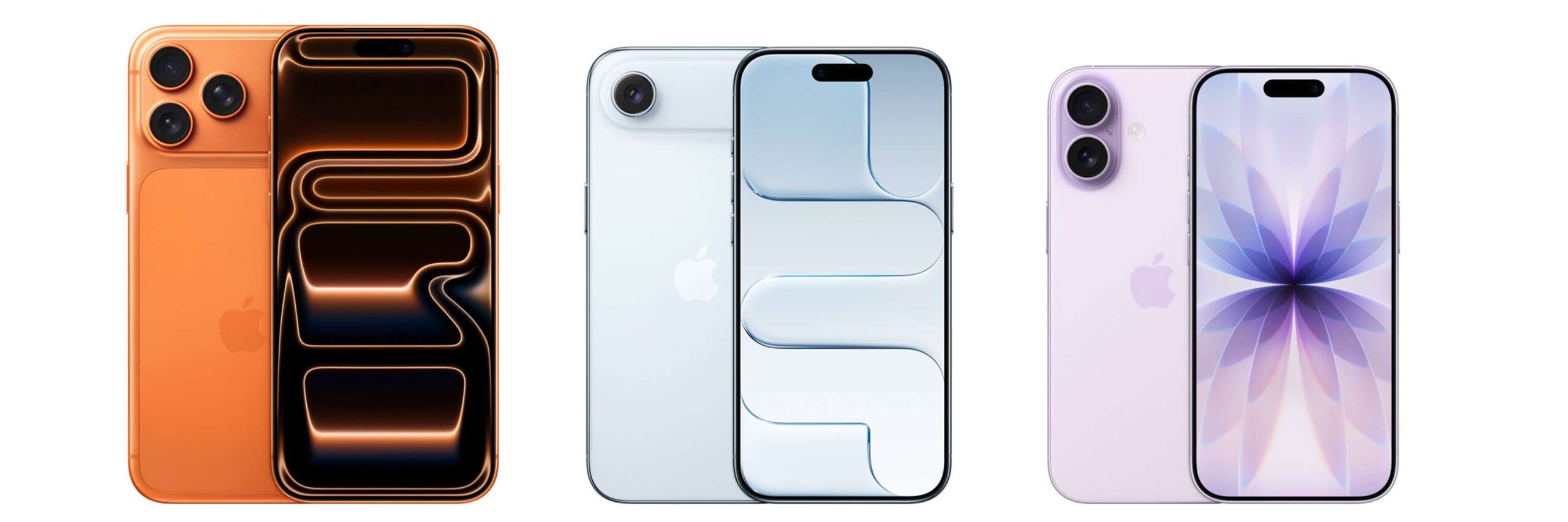

Decoding Apple’s Latest Offerings: The Ultimate iPhone Upgrade Dilemma
Your smartphone is likely your most used device—but does it owe you $1,200? That’s the question haunting Apple users every September as the latest iPhone generation arrives. With the 2025 debut of the iPhone 17 series featuring the A19 Pro chip, groundbreaking cameras, and a new iPhone Air model, the pressure to upgrade intensifies. Yet flashing new tech doesn’t automatically justify emptying your wallet. Whether to upgrade your iPhone depends on your device’s age, budget, and actual feature needs. We’ll dissect the tangible benefits of Apple’s newest flagships, uncover hidden advantages in last-gen models, and reveal strategic alternatives to avoid wasteful spending.
The iPhone 17 Series: Evolutionary or Revolutionary?
Apple’s 2025 lineup introduces four models: iPhone 17 (starting at $799), iPhone 17 Pro ($1,099), iPhone 17 Pro Max ($1,199), and the mid-range iPhone Air. The headliner is clearly the A19 Pro processor, boasting substantially faster GPU/CPU cores optimized for AI workloads. Early benchmarks show 35% faster neural engine speeds versus the A18, enabling smoother generative AI tasks in iOS 26 like real-time photo editing or predictive text generation.
Battery life sees critical gains, especially on Pro models. Their reengineered unibody chassis accommodates batteries up to 20% larger, promising 15+ hours of continuous use according to internal Apple testing. Combined with iOS 26 optimizations, this could solve the “3 PM panic” for heavy users. Camera enhancements include:
- Square sensors: Capture subjects perfectly centered even while moving
- Dual-shooting mode: Both front/rear cameras active simultaneously
- 48MP base model upgrade: Previously reserved for Pro versions
Surprisingly, Apple made high-end features accessible:
- Ceramic Shield 2: 3X shatter resistance over iPhone 15
- Standard 120Hz ProMotion displays across all models
- 2TB storage ($200 add-on) for media creators
If you routinely max out storage, shoot hours of video, or juggle AR apps, these upgrades warrant consideration.
Is the iPhone 16 the Fiscal Sweet Spot?
Debating between iPhone 17 dazzle or practicality? The iPhone 16 series (available since 2024) offers flagship vibes at non-Pro pricing. Performance-wise, the A18 chip remains highly capable—it launched alongside iOS 18’s transformative Visual Intelligence for object detection in photos and Siri enhancements. Musicians appreciate low-latency audio interfaces via USB-C, and creators leverage spatial video capture ahead of Apple’s upcoming Vision headset ecosystem.
Key features refined in this generation:
- Camera Control Button: Dedicated scroll wheel for ISO/shutter adjustments
- Titanium chassis: Offers Pro-tier durability without Pro-tier pricing
- “Darker Black/Brighter White” color options with anti-fingerprint coating
Price positioning makes the 16 compelling:
| Model | Starting Price | Key Advantage |
|---|---|---|
| iPhone 16e | $599 | Budget access to core iOS features |
| iPhone 16 | $799 | Enhanced battery, titanium frame |
| iPhone 16 Plus | $899 | Largest screen at mid-range cost |
| iPhone 16 Pro | $999 | 5x optical zoom, LiDAR scanner |
For pragmatists, the 16 series delivers meaningful benefits without the steep $1K+ plunge.
Strategic Patience: Why Your Old Device Might Still Suffice
Before impulsively upgrading, diagnose your pain points. If your iPhone 14/15 handles daily tasks without lag, newer models likely won’t transform your routine. Industry data shows phones typically plateau in value/usability at the three-year mark—a 14 series iPhone will retain optimal performance through 2026 with Apple’s standard OS support.
Consider these scrappy alternatives first:
- Battery replacement ($89): Restores full-day stamina
- Cloud storage ($0.99/month): Offload photos inducing storage anxiety
- Trade-in arbitrage: Carriers offer $150+ discounts on less-than-latest models
Additionally, iOS 18 rolls out across devices back to iPhone 13—meaning you’ll still get transformative Apple Intelligence features like generative photo tools or contextual Siri without upgrading hardware.
Spotlight Deal: iPhone 15’s Legacy Appeal
Overlooked and underrated, the iPhone 15 shines for upgraders wielding ancient models like the SE or iPhone 12. Historic price cuts (now $599 new) make it a staggering value. Crucially, it debuted USB-C, ending Lightning cable purgatory. Practical perks include:
- 48MP photographic flexibility: Add portrait mode post-shot
- Studio-quality spatial video for future-proofed VR use
- Dynamic Island notifications
Refurbished units through carriers dip below $450, ideal for students/budget-focused buyers craving usability leaps without funding Apple’s R&D gambles.
Upgrade Amendments: What Your Current Device Reveals
Tailor decisions to your hardware reality:
- iPhone 12/older: Upgrade immediatly. New facial ID sensors, night mode cameras, and 5G warrant investment.
- iPhone 13: Hold unless you game heavily. A18/A19 chips dominate here, but your device remains resilient.
- iPhone 14/15: Delay. Marginal camera/speed gains rarely justify $800–$1200.
30% of users replace phones solely for perceived obsolescence. Yet the difference between an iPhone 14 Pro and 17 Pro? Your Instagram followers won’t notice.
Navigating Purchase Paths
When ready, leverage carrier promotions—Verizon/AT&T offer up to $1,000 trade-in credits—or browse Apple’s certified refurbished store for 15%+ savings. Payment plans via Apple Card spread costs interest-free.
final Thoughts: The Pursuit of Prudent Progress
Let pragmatism tether financial enthusiasm. If your iPhone cann’t hold a charge or shoot sharp photos, yes—upgrading to an iPhone 17 Pro Max makes sense. Owners of solid 13–15-series devices? Stall a year. Budget shoppers should target the iPhone 15 or 16e. Ultimately, resisting upgrade anxiety might save thousands ambling toward advances that, truthfully, change little in your actual digital life.
Used an iPhone 11 for four years? Share your resilience story below. We’re discussing tactical upgrade pivots in the comments.


