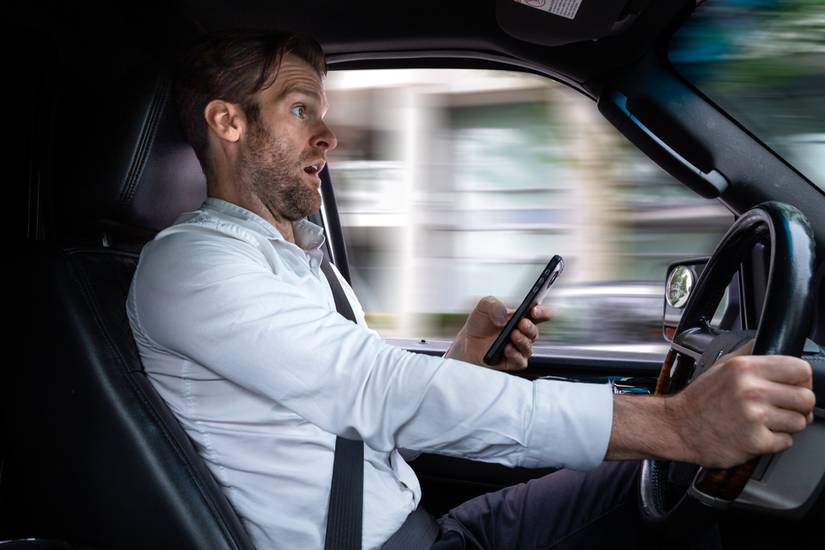

The Silent Epidemic on Our Roads: Why Texting Behind the Wheel is a Choice You Can’t Afford
Did you know that every single day, approximately 9 people are killed in the United States in crashes involving a distracted driver? Imagine nine empty chairs at dinner tables tonight. The grim reality is that despite relentless warnings, texting while driving persists as a lethal form of distracted driving, rivaling even drunk driving in its potential for catastrophic outcomes. It’s a voluntary gamble with lives – your own, your passengers, pedestrians, and everyone sharing the road – fueled by the illusion of control and the misplaced belief “it won’t happen to me.” This preventable menace shreds families and communities, yet the tools to stop it are literally in our pockets. Understanding why it’s so dangerous and how to eliminate the temptation is not just smart driving; it’s a fundamental responsibility. The science of distraction leaves no room for compromise.
The Deadly Mechanics of Distracted Driving
Driving is arguably one of the most complex tasks we routinely perform, demanding constant visual scanning, auditory processing, rapid decision-making, and precise physical control. Breaking it down reveals why any interference is perilous:
-
The Three Domains of Danger: Distracted driving isn’t just about your phone; it falls into categories:
- Visual: Taking your eyes off the road.
- Manual: Taking your hands off the steering wheel.
- Cognitive: Taking your mind off driving.
Texting and driving is the trifecta of distraction, simultaneously violating all three safety domains. Your eyes dart down to read or compose a message (visual off-road), your hands move to hold, tap, or swipe (manual off-wheel), and your brain is consumed by the conversation, not the traffic flow (cognitive disengagement).
-
Seconds Kill: The Reaction Time Reality: At highway speeds, a vehicle covers the length of a football field in just over three seconds. The National Highway Traffic Safety Administration (NHTSA) confirms that, on average, a driver’s eyes are off the road for 5 seconds when texting. That’s enough distance and time for the car in front to slam its brakes, a child to run into the street, or traffic signals to change unnoticed. Human reaction times aren’t instantaneous; adding the seconds needed to refocus after looking away dramatically increases crash likelihood. Think it’s just a glance? Science disagrees.
-
The Multitasking Myth Debunked: We love to believe we’re accomplished multitaskers, but neuroscience paints a different picture. The human brain is terrible at true multitasking; it rapidly switches focus between tasks. Each switch requires a cognitive cost:
- Disengage: Shifting attention away from driving.
- Process: Focusing on the new task (reading a text).
- Refocus: Shifting attention back to the driving environment.
This switching is slow and error-prone. Your brain isn’t doing both tasks simultaneously; it’s constantly robbing Peter (your driving awareness) to pay Paul (your text conversation), significantly degrading performance in both. Your driving performance during these switches mimics the impairment levels of drunk driving.
-
The Illusion of Exceptionalism: Our most dangerous cognitive flaw might be the belief “I’m different.” We convince ourselves our reactions are faster, we only glance for a microsecond, we have a special ability to handle it. This false confidence ignores fundamental human limitations. No driver is immune to the physics of reaction time or the cognitive reality of task-switching. Underestimating risk is a primary factor that keeps people ignoring warnings and reaching for their phones.
Harnessing Technology: Your Lifesaving Copilot
The very devices that create profound distraction dangers also hold the key to mitigating them. Integrated vehicle tech and smartphone features offer powerful alternatives:
- Voice Assistants: Hands-Free, Voice-Focused: Both Apple CarPlay and Android Auto (as well as built-in vehicle voice systems) seamlessly integrate with your smartphone. This technology enables genuine hands-free interaction:
- Listen: Your phone can read text messages aloud directly through your car speakers. Hearing the message removes the visual distraction – your eyes stay firmly ahead.
- Respond: Need to answer? Use voice dictation. Say your reply naturally; the system converts it to text and sends it. This tackles the manual distraction – hands remain comfortably on the steering wheel.
- Activate Safely: Set up activation phrases (“Hey Siri,” “Okay Google”) before driving. Many vehicles also feature steering wheel buttons for one-touch activation, minimizing interaction complexity while moving. Crucially, practice using these features parked to ensure you’re comfortable and safe before hitting the road.
| Feature | Benefit for Driving Safety | Distraction Type Mitigated |
|---|---|---|
| Voice Message Reading | Listen without looking | Visual, Cognitive (reduces load) |
| Voice Dictation Reply | Respond without typing | Manual, Visual |
| Steering Wheel Button | Easy, intuitive activation | Manual, Cognitive (reduces effort) |
| “Do Not Disturb” Mode | Silences notifications | Cognitive, Visual (screen off) |
| Automatic Activation | Sets mode when connected to car BT/CP | Reduces forgetfulness |
- Eliminating Temptation: “Do Not Disturb While Driving”: Even with voice assistants, the ping of an incoming notification and the brain’s curiosity pose a cognitive threat. Proactive silence is a powerful tool:
- How it Works: This feature (found under “Focus” on iOS, “Digital Wellbeing” or similar settings on Android) selectively silences calls and notifications while driving. Crucially, it can auto-reply to texts informing senders you’re driving.
- Automation is Key: Configure it to activate automatically when connected to your car’s Bluetooth, when moving above a certain speed, or when CarPlay/Android Auto is active. Manual activation risks forgetting. Remove the visual and auditory nagging entirely.
- Peace of Mind: Knowing you won’t be disturbed allows you to fully concentrate on the critical task at hand – navigating safely. The pressure to respond immediately dissipates.
Building Unshakeable Defensive Habits
Tech solutions are vital tools, but lasting safety requires cultivating conscious habits and boundaries:
- The Non-Negotiable Pull-Over Principle: If a situation arises that seems too complex for voice commands or feels critically urgent (and you can’t use voice assist), commit to pulling over. Find a safe, legal spot, park, then handle your phone. “Important” messages should never compromise lives. The core rule is binary: If it’s truly crucial, stop the car. If it can wait, it must. There is no safe middle ground of trying to do both.
- Setting Expectations Preemptively: Social and professional pressures drive many to text while driving. Combat this proactively:
- Communicate Clearly: Inform key contacts (boss, family, friends) that you do not engage with texts while driving. Explain that you use “Do Not Disturb While Driving” and will respond when safely stopped or upon arrival. Most people respect this boundary once they understand it’s about safety.
- Reinforce System Messages: Leverage the auto-reply feature of your driving mode. A simple “I’m driving and will get back to you safely. For urgent calls, dial again.” manages expectations effectively.
- Urgency = Calling: Establish a clear understanding: If something is genuinely time-sensitive to the point of being critical, a phone call is the appropriate channel, not an SMS or messaging app. Using hands-free calling (via voice commands or steering wheel controls) is a safer option than texting.
The Road to Zero Excuses
The tragedy of distracted driving accidents lies in their utter predictability and absolute preventability. We possess a deep understanding of the cognitive and physical dangers involved in diverting attention from the road. More importantly, we have advanced technology readily available that provides safe alternatives for communication, coupled with simple behavioral strategies that manage temptation and set boundaries. Using these tools isn’t optional; it’s an ethical imperative for anyone operating a multi-ton vehicle. Embracing voice control, auto-silence features, the discipline to pull over, and the courage to set social boundaries aren’t just good practices; they are essential skills for modern, responsible driving. Your commute isn’t worth a life. Your text can wait. The choice is stark, simple, and entirely yours: prioritize safety, use the available tools, and stop driving distracted today. What strategy will you commit to implementing first to keep yourself and others safe on the road?


